pryanicom
Are you still treating organic and paid social media as separate entities, locked in a perpetual tug-of-war for budget and attention? If so, you’re missing the profound synergy that defines truly impactful marketing in 2026. The notion that one can solely carry your brand’s message to its ultimate destination is a relic of a bygone era.
Consider this: organic social media acts as your brand’s heartbeat—a consistent, authentic pulse that nurtures community, builds trust, and fosters deep, enduring relationships. It’s where conversations ignite, loyalty is forged, and your brand’s unique voice resonates without the immediate pressure of a transaction. Conversely, paid social media functions as your accelerator—a precision-engineered engine designed for immediate visibility, hyper-targeted audience acquisition, and rapid conversion pathways. It’s the strategic lever that amplifies your most compelling messages, cuts through noise, and delivers measurable results with surgical accuracy.

The real power, however, emerges when these two forces cease to be rivals and instead become indispensable partners. A comprehensive marketing approach doesn’t choose between them; it orchestrates them. This hybrid strategy isn’t merely about allocating budget; it’s about defining distinct, yet complementary, roles for each, ensuring that every piece of content, every campaign, and every interaction contributes to a unified, overarching business objective. Ignoring this symbiotic relationship is akin to trying to drive a high-performance vehicle with only half an engine.
Organic Social: Building Connections, Unlocking Value
Organic social media represents the bedrock of authentic brand presence, a strategic endeavor focused on cultivating genuine interactions without direct monetary promotion. At its core, it encompasses all unpaid activities on social platforms: sharing valuable content, responding to comments, initiating conversations, and fostering a sense of community. The reach generated here is earned, driven by the intrinsic quality of your content, audience engagement, and the algorithms that favor meaningful interactions. Its fundamental purpose transcends immediate sales; it’s about nurturing customer connections, establishing thought leadership, and building a resonant brand identity over time.

This approach thrives on consistency and value delivery, operating on the principle that compelling content naturally attracts and retains an audience. While it demands significant investment in creativity and community management, its inherent nature means it often complements other strategies for a complete marketing picture, laying a crucial foundation for broader outreach. The goal isn’t just to be seen, but to be valued and remembered.
The Power of Authentic Engagement
The benefits of a robust organic social strategy are compelling and far-reaching. Foremost among them is the ability to build profound trust. When a brand consistently provides value, engages authentically, and listens to its audience without the overt push of an advertisement, it fosters a relationship built on credibility. This trust is an invaluable asset, translating into brand loyalty and advocacy. Consider the impact of a brand responding thoughtfully to a customer query on X (formerly Twitter) or sharing user-generated content on Instagram; these actions humanize the brand and demonstrate genuine care.

Furthermore, organic social excels at fostering community engagement. It transforms passive followers into active participants, creating spaces for dialogue, shared experiences, and collective identity around your brand. This can manifest as vibrant Facebook groups, lively comment sections on LinkedIn, or even user-led discussions on Reddit. Such communities become self-sustaining engines of advocacy, providing feedback, support, and even content ideas. Finally, its cost-effectiveness is undeniable. While it requires a significant investment of time, talent, and strategic planning, the direct monetary outlay for organic reach is minimal compared to paid campaigns. This makes it an accessible entry point for businesses of all sizes to establish a meaningful presence.
Navigating the Algorithmic Labyrinth
Despite its undeniable strengths, organic social media isn’t without its challenges. One significant limitation is its slower scaling potential. Growth is typically gradual, relying on the viral spread of content, consistent engagement, and the slow burn of relationship building. Unlike paid campaigns that can instantly reach a vast, targeted audience, organic growth is a marathon, not a sprint. Expecting overnight explosions in follower count or immediate, massive traffic spikes is often unrealistic.
Perhaps the most persistent hurdle is the challenge with algorithmic reach. Social media platforms are constantly refining their algorithms to prioritize content that keeps users engaged on their platforms, often favoring content from friends and family, or paid promotions. This means that even exceptional organic content can struggle to break through the noise and reach a significant portion of a brand’s established audience. A post might only be seen by a small percentage of your followers, necessitating constant adaptation to platform changes, experimentation with content formats, and a deep understanding of audience behavior.
Here’s a quick overview of organic social’s dual nature:
| Aspect | Benefits | Limitations |
|---|---|---|
| Reach & Growth | Builds authentic, loyal audience | Slower scaling, gradual growth |
| Cost | High ROI on time/effort, low direct spend | Requires consistent resource investment |
| Engagement | Fosters deep community, trust, advocacy | Algorithmic hurdles, limited initial visibility |
| Purpose | Brand building, relationship nurturing | Not ideal for immediate, mass conversions |
Understanding these dynamics is crucial. Organic social media is a powerful tool for long-term brand equity and community development, but its inherent characteristics mean it often works best when integrated thoughtfully into a broader marketing ecosystem.
Paid Social: Power and Pitfalls
Paid social media isn’t merely about throwing money at platforms; it’s a sophisticated mechanism for amplifying reach and driving specific business outcomes. At its core, paid social involves leveraging sponsored content – ads, boosted posts, promoted stories, and paid influencer collaborations – to bypass the limitations of organic reach. Its fundamental purpose is to place your message directly in front of a precisely defined audience, transforming passive scrolling into active engagement, website visits, leads, or direct conversions. Think of it as a high-octane accelerator for your marketing objectives, designed for immediate impact and measurable returns.
Strategic Advantages of Paid Social
The allure of paid social lies in its unparalleled strategic advantages, offering marketers tools that organic efforts simply cannot match.
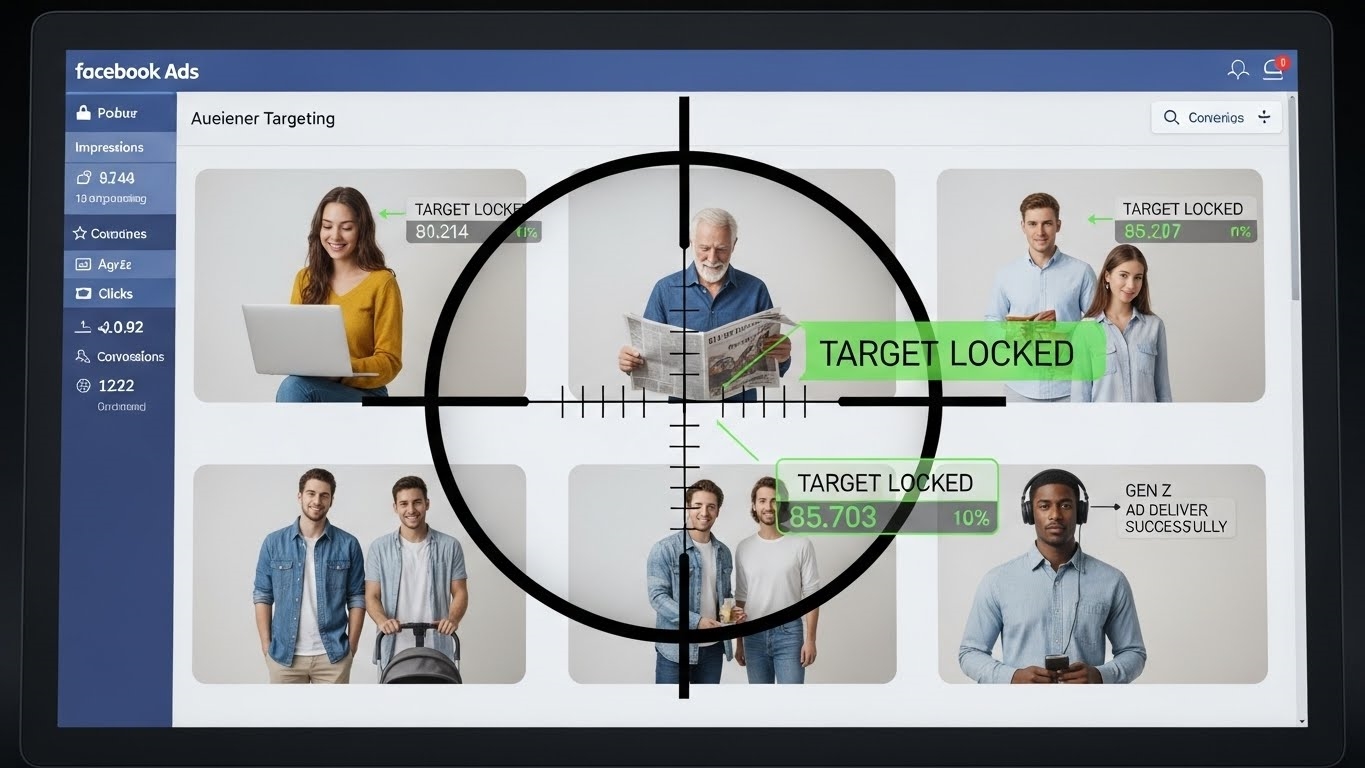
- Pinpoint Audience Targeting: This is where paid social truly shines. Platforms like Meta, LinkedIn, and TikTok offer granular targeting capabilities that allow brands to reach users based on demographics, interests, behaviors, job titles, income levels, and even life events. Beyond these, custom audiences enable retargeting previous website visitors or customer lists, while lookalike audiences expand reach to new prospects who mirror your existing best customers. For instance, a B2B software company can target IT decision-makers at enterprises with over 500 employees who have shown interest in cloud solutions, ensuring minimal wasted ad spend.
- Clear ROI and Attribution: Unlike the often-nebulous attribution of organic content, paid social provides robust, real-time tracking. Conversion pixels and analytics dashboards allow marketers to attribute every dollar spent to specific actions – a purchase, a sign-up, a download. This direct line of sight from investment to return makes it possible to calculate precise return on ad spend (ROAS) and optimize campaigns for maximum efficiency.
- Robust Performance Tracking: The analytics suites built into paid social platforms are incredibly powerful. They offer deep insights into ad performance, audience engagement, click-through rates, cost per acquisition, and much more. This data-rich environment facilitates continuous A/B testing of creatives, headlines, calls to action, and audience segments, enabling rapid iteration and optimization. You can know, with certainty, which creative variant resonates most effectively with your target demographic.
Potential Drawbacks and Challenges
While potent, paid social is not without its complexities and potential pitfalls. Navigating these requires vigilance and expertise.
- Escalating Costs: The auction-based nature of paid social advertising means that competition directly impacts pricing. As more businesses vie for the same audience segments, costs per click (CPC) and costs per impression (CPM) can rise significantly. Niche markets, peak seasons, or highly sought-after demographics often command premium prices, making budget management a constant balancing act. What was an efficient cost per lead last quarter might be unsustainable this quarter due to increased market saturation.
- Demand for Continuous Optimization: Paid social is not a “set it and forget it” endeavor. Campaigns require constant monitoring, analysis, and adjustment. Ad performance can degrade over time, audience segments can become saturated, and platform algorithms evolve. This necessitates ongoing A/B testing, creative refreshes, budget reallocation, and strategic pivots to maintain efficiency and effectiveness. Neglecting this continuous optimization is a fast track to diminishing returns.
- Ad Fatigue: Even the most compelling ad creative can become stale if shown repeatedly to the same audience. This phenomenon, known as ad fatigue, leads to decreased engagement, lower click-through rates, and ultimately, higher costs. Users begin to ignore or even develop negative associations with ads they’ve seen too many times. Overcoming ad fatigue demands a consistent pipeline of fresh, diverse creative assets and strategic rotation to keep messaging novel and engaging.
To summarize the core trade-offs:
| Feature | Strategic Advantage | Potential Drawback |
|---|---|---|
| Reach & Visibility | Instant, scalable audience access | High competition drives up costs |
| Targeting | Hyper-specific audience segmentation | Requires deep audience understanding and setup |
| Measurement | Clear, attributable ROI and performance metrics | Complex data analysis for true optimization |
| Effort | Rapid campaign launch and iteration | Demands continuous monitoring and creative refresh |
| Audience Impact | Direct message delivery to interested prospects | Risk of ad fatigue and negative sentiment |
Understanding these dynamics is crucial for any marketer looking to harness the power of paid social media effectively. It’s a powerful engine, but one that requires skilled navigation and constant attention to deliver peak performance.
Unifying Organic and Paid Social Performance
The conversation around social media strategy often pits organic efforts against paid campaigns, as if they were rivals in a zero-sum game. This perspective misses the profound truth: they are not adversaries but indispensable partners. Understanding their distinct characteristics is the first step toward unlocking their combined power. Organic social media excels at building authentic connections, fostering community, and nurturing brand loyalty over time. It’s the bedrock of your brand’s voice and relationship with its audience. Paid social, conversely, offers unparalleled precision in audience targeting, rapid scalability, and direct pathways to conversion. It’s the accelerant, the spotlight, the direct line to new prospects.
Consider their fundamental differences:
| Feature | Organic Social | Paid Social |
|---|---|---|
| Core Objective | Brand affinity, community, trust, thought leadership | Reach, conversions, lead generation, immediate ROI |
| Reach Mechanism | Algorithmic distribution, earned engagement | Budget-driven, precise audience targeting |
| Time Horizon | Long-term relationship building | Short-to-medium term campaign cycles |
| Cost Structure | Time, content creation, human capital | Direct ad spend, bidding, agency fees |
| Measurement | Engagement rates, sentiment, follower growth, shares | Click-through rate (CTR), cost-per-acquisition (CPA), return on ad spend (ROAS), granular audience insights |
This table clearly illustrates that while their methods diverge, their ultimate goal—brand success—converges. The real genius lies in orchestrating their collaboration.
Strategic Integration: Three Pillars
Achieving optimal performance demands a deliberate, integrated approach. Here are three potent strategies for combining organic and paid social media:
Boost Top-Performing Organic Posts
Imagine a piece of organic content—a compelling infographic, a thought-provoking video, or an insightful blog excerpt—that resonates exceptionally well with your existing audience. It garners high engagement rates, sparking genuine conversation and shares. Instead of letting that momentum dissipate, strategically allocate budget to boost this post. This amplifies its reach beyond your immediate followers, introducing proven, high-value content to a broader, yet still relevant, audience. This isn’t just throwing money at a post; it’s leveraging data to identify content that already demonstrates audience appeal, then giving it the fuel it needs to reach its full potential.
Leverage Organic Insights for Paid Targeting
Your organic analytics are a goldmine of audience intelligence. They reveal who is engaging with your content, what topics resonate most deeply, and how they prefer to interact. For instance, if your organic data shows that posts about product innovation consistently attract a highly engaged audience segment aged 25-34 in specific geographic regions, this isn’t just a data point; it’s a blueprint for your next paid campaign. Use these insights to refine your paid audience targeting, create lookalike audiences, or even inform the creative direction of your ad copy. This transforms guesswork into data-driven precision, ensuring your ad spend reaches the most receptive eyes.
Conduct A/B Tests with Paid Campaigns
Paid social platforms offer an unparalleled sandbox for A/B testing. While organic content can provide anecdotal evidence, paid campaigns allow for rigorous, controlled experimentation. Test different headlines, visuals, calls-to-action, landing page variations, or even audience segments against each other. For example, run two identical ad sets, varying only the primary image, and observe which one drives a higher click-through rate or lower cost-per-conversion. The insights gleaned from these paid A/B tests can then inform not only future paid campaigns but also guide your organic content strategy, ensuring you’re consistently delivering what your audience responds to best.
A Unified Strategy, Distinct Goals
A truly effective social media strategy doesn’t view organic and paid as separate entities, but as specialized units within a cohesive marketing operation. Each plays a distinct, yet complementary, role. Organic efforts might focus on building long-term brand equity, fostering a loyal community, and establishing thought leadership. Paid campaigns, meanwhile, can be precisely engineered to drive immediate conversions, launch new products with maximum visibility, or re-engage specific customer segments. The key is to align these distinct goals under a single, overarching marketing objective. This requires clear communication between teams, shared data, and a holistic view of the customer journey.
The real magic happens when these two forces stop operating in silos and begin to amplify each other. A robust organic presence builds the trust and familiarity that makes paid ads more effective. Conversely, paid campaigns can inject new audiences into your organic ecosystem, expanding your community and potential for earned media. This synergistic power of a unified organic and paid social media approach is not merely additive; it’s exponential, paving the way for sustained growth and deeper audience engagement.
FAQ
What data privacy rules impact paid social?
Regulations like GDPR, CCPA, demand explicit consent for data use. Ad disclosures must be clear. Non-compliance carries severe penalties.
What content types thrive organically?
Live video, interactive polls, user-generated content, long-form posts foster authentic community. These build lasting connections.
How do teams allocate budget effectively?
Allocate based on objectives. Prioritize paid for rapid reach, organic for sustained brand building. Adjust based on performance data.
What common mistakes undermine integrated efforts?
Inconsistent messaging, neglecting audience feedback, or failing to define distinct channel roles. These hinder overall strategy.