pryanicom
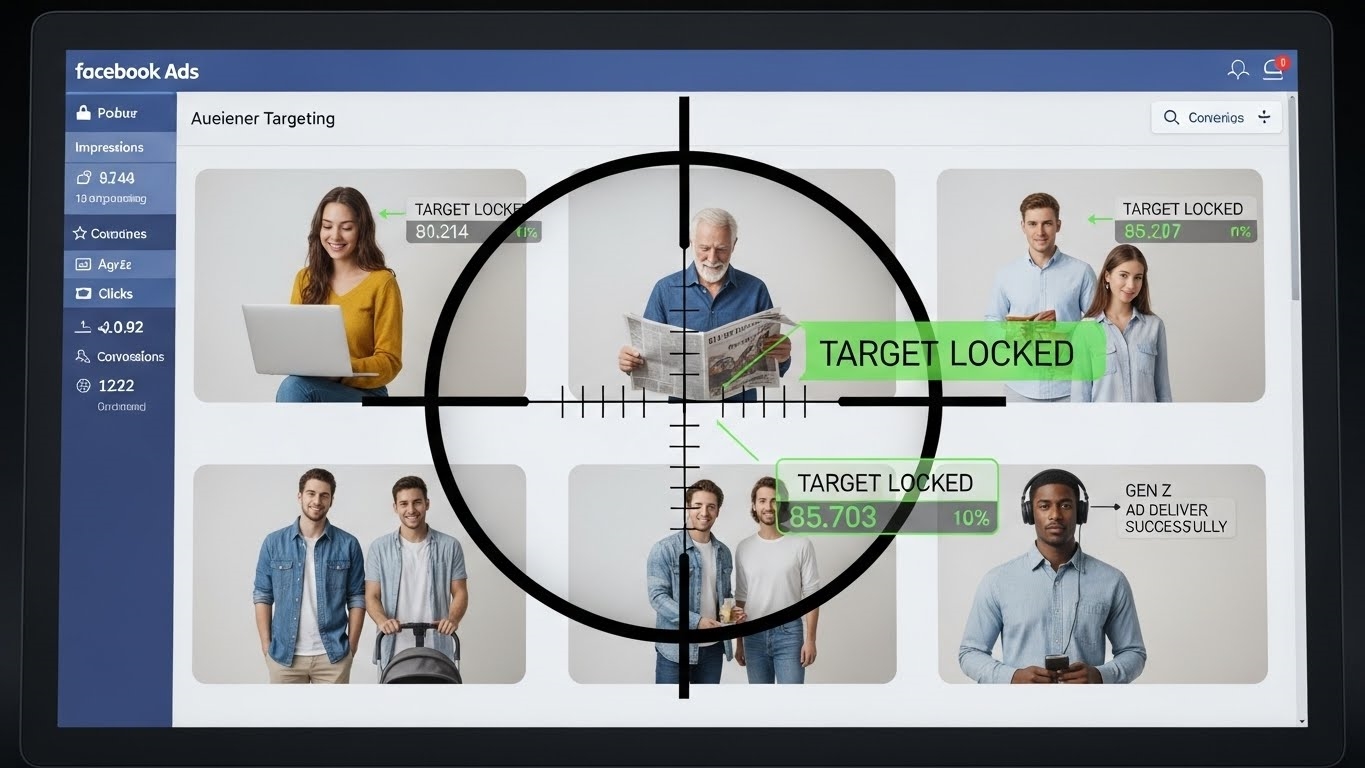
Imagine a platform where nearly three billion individuals actively engage, share, and discover daily. Now, imagine having a direct, precision-guided channel to reach the exact segment of that audience most likely to convert. This isn’t a hypothetical; it’s the reality of Facebook advertising in 2026. A Facebook Ad is a paid post strategically inserted into user feeds, Stories, and other placements across the Meta ecosystem. These sophisticated, algorithmically-driven messages, clearly marked ‘sponsored,’ boast enhanced features like compelling call-to-action buttons. Their true power lies in surgical precision: targeting is meticulously crafted based on demographics, geographic location, stated interests, and intricate online behaviors.
The Dynamic Cost Equation
Understanding Facebook ad costs is paramount. Think of it as a dynamic, real-time auction. Variables like audience targeting specificity, chosen ad placements (e.g., Feed vs. Stories), campaign duration, industry competitiveness, time of year (holiday seasons inflate prices), time of day, and geographical location all play critical roles. Each element influences the bid price, dictating how efficiently your budget translates into reach and engagement.

Unparalleled Reach and Precision
The platform’s sheer scale is undeniable. With almost three billion monthly active users as of January 2023, Facebook offers an audience unparalleled in scope. This immense reach, coupled with granular targeting, transforms Facebook advertising into a powerhouse for achieving virtually any marketing objective. Whether amplifying brand visibility, generating high-quality leads, or driving direct sales, Facebook provides the tools to connect with the right people, at the right moment, with the right message. It’s about more than impressions; it’s about impact.
Precision Targeting: Exploring Facebook Ad Formats
The power of Facebook advertising lies not just in its unparalleled audience reach, but in the sheer versatility of its ad formats. Understanding these options is paramount for any marketer aiming to cut through the noise and connect authentically with their target demographic. From static visuals to immersive interactive experiences, each format offers a unique avenue to convey your brand’s message and drive specific outcomes. The strategic selection of an ad format can dramatically influence campaign performance, ensuring your content resonates precisely where and how it’s intended.

To truly maximize impact, marketers must move beyond a one-size-fits-all approach. By carefully choosing the right ad format for each campaign objective, businesses can leverage the platform’s immense user base to enhance brand visibility and achieve specific marketing objectives, whether that’s building awareness, driving traffic, or generating sales. It’s about matching the message with the medium, ensuring every impression counts.
Core Ad Formats
These foundational formats are the workhorses of many successful campaigns, offering robust options for a wide array of marketing goals.

-
Image Ads: The simplest and often most direct way to communicate. These static visuals are perfect for establishing brand presence, announcing new products, or promoting special offers with a clear, concise message. Their ease of creation, often directly from existing organic posts, makes them accessible for rapid deployment and A/B testing. Think striking product photography or a compelling graphic with minimal text – sometimes, a single powerful image speaks volumes.
-
Video Ads: When you need to tell a story, demonstrate a product’s functionality, or offer a quick tutorial, video is king. These dynamic assets capture attention more effectively than static images, especially when crafted for brevity. Research consistently shows that shorter videos, ideally under 15 seconds, tend to yield higher engagement rates. This format excels at conveying emotion and building a deeper connection, making it invaluable for brand storytelling and detailed product showcases.
-
Carousel Ads: For brands with multiple products to highlight, a step-by-step process to explain, or different features of a single item to showcase, carousel ads are an indispensable tool. These ads allow you to display up to ten images or videos within a single ad unit, each with its own distinct headline, description, and call-to-action link. This multi-card approach provides a richer narrative, enabling users to swipe through a curated collection, making it ideal for e-commerce product lines or illustrating a service’s benefits sequentially.
Specialized Ad Formats
Beyond the core offerings, Facebook provides a suite of specialized formats designed for specific platforms, user behaviors, and advanced interactive experiences.
-
Stories Ads: Optimized for the mobile-first consumption habits of users, Stories ads are full-screen, vertical video or image experiences. They offer an expansive canvas for creativity, allowing brands to integrate interactive elements like polls, quizzes, or swipe-up links. Their ephemeral nature and immersive design make them incredibly effective for driving immediate engagement and fostering a sense of urgency.
-
Messenger Ads: These ads appear directly within a user’s Messenger inbox, fostering a highly personal and direct interaction channel. They can initiate conversations, provide customer support, or even guide users through a sales funnel in a one-on-one setting. This format leverages the intimacy of direct messaging to build trust and facilitate deeper engagement.
-
Slideshow Ads: A clever hybrid, slideshow ads combine 3-10 images or a single video into a lightweight, data-efficient format. They consume significantly less data than traditional video ads, making them particularly effective for reaching audiences in regions with slower internet connections or for users on limited data plans. They offer the visual appeal of video with the accessibility of images.
-
Collection Ads: Imagine a storefront within an ad. Collection ads deliver an immersive, mobile-first shopping experience. Users can browse and purchase products directly from a customizable, full-screen display that loads instantly. This format bridges the gap between discovery and conversion, streamlining the path to purchase for retail brands.
-
Playables: A game-changer for app and game developers, Playables offer interactive previews. Users can “try before they buy” or download, engaging with a mini-version of the app or game directly within the ad. This hands-on experience significantly increases conversion rates by allowing potential users to experience the value proposition firsthand.
-
Instant Experience Ads: Formerly known as Canvas, these are mobile-only, interactive ad experiences that can be added to most other ad formats. They act as a full-screen landing page, rich with content like carousels, videos, images, and text blocks. Users can zoom, tilt, and swipe through a deeply engaging narrative without ever leaving the Facebook app, providing a seamless and captivating brand interaction.
To illustrate the diverse applications, consider this overview:

| Ad Format | Primary Goal | Key Feature(s) | Best For |
|---|---|---|---|
| Image Ads | Awareness, Traffic | Static visual, simple, direct | Product launches, promotions, brand building |
| Video Ads | Engagement, Education | Dynamic content, storytelling, short clips | Demos, tutorials, emotional connection |
| Carousel Ads | Product Showcase | Up to 10 cards, distinct links/descriptions | Multiple products, step-by-step guides |
| Stories Ads | Engagement, Urgency | Full-screen, vertical, interactive elements | Time-sensitive offers, immersive branding |
| Collection Ads | Direct Sales | Mobile-first, in-ad browsing/purchase | E-commerce, product catalogs |
| Playables | App Installs | Interactive preview, “try before you buy” | Games, mobile applications |
| Instant Experience | Rich Engagement | Full-screen, interactive mini-site, mobile-only | Brand storytelling, complex product features |
Each format, when strategically deployed, offers a distinct advantage, allowing marketers to craft campaigns that are not only seen but truly felt and acted upon. The depth of these options underscores the platform’s commitment to providing robust tools for every conceivable marketing objective.
Precision Advertising: Setup, Optimize, Dominate
Unleashing the full potential of Facebook advertising demands a strategic approach, from initial campaign architecture to continuous performance refinement. It’s not merely about launching ads; it’s about crafting precision-engineered campaigns that resonate and convert.

Architecting Campaigns with Meta Ads Manager
For those seeking granular control and deep-dive functionality, Meta Ads Manager remains the gold standard. This robust platform guides marketers through an eight-step journey to construct impactful campaigns. It begins with campaign creation, where you define the overarching purpose. Next, objective selection is paramount, choosing from Awareness, Traffic, Engagement, Leads, App promotion, or Sales to align with your specific business goals.
Following this, budget allocation dictates your investment, allowing for daily or lifetime spending limits. The true power lies in audience targeting, where you define who sees your ads based on demographics, interests, behaviors, and custom audiences. Meta’s Advantage+ AI targeting has become indispensable here, leveraging machine learning to find the most receptive audiences beyond your initial parameters. Placement selection determines where your ads appear—Facebook Feed, Instagram Stories, Messenger, Audience Network, and more. Then comes ad creative development, the art of designing compelling visuals and copy. Finally, performance monitoring is the ongoing process of tracking and analyzing your campaign’s effectiveness, a critical feedback loop for optimization.

Streamlined Management with Hootsuite
For marketers juggling multiple social platforms, Hootsuite offers a compelling alternative, integrating Facebook ad management into a broader social media strategy. This five-step process simplifies cross-platform campaign deployment:
- Campaign Setup: Initiate your ad campaign directly within the Hootsuite dashboard.
- Define Objectives: Select clear goals, mirroring those available in Meta Ads Manager but within a unified interface.
- Target Audiences: Leverage Hootsuite’s advanced audience creation tools, often allowing for more seamless integration with other social data you manage.
- Create Ads: Develop your ad creatives, ensuring they are optimized for Facebook’s specifications while potentially repurposing content for other platforms.
- Publish and Monitor: Launch your campaign and track its performance through Hootsuite’s consolidated analytics.
This integrated approach streamlines workflows, particularly for agencies or brands with a sprawling social presence.

| Feature/Aspect | Meta Ads Manager (Native) | Hootsuite (Integrated) |
|---|---|---|
| Primary Focus | Deep-dive Facebook/Instagram ad management | Cross-platform social media & ad management |
| Campaign Creation | Granular, native-specific tools | Streamlined, multi-platform integration |
| Audience Targeting | Extensive native options, Advantage+ AI | Robust targeting, advanced audience creation across platforms |
| Creative Workflow | Dedicated ad creative development tools | Integrated ad creation for various social channels |
| Performance Review | Detailed native analytics, custom reports | Consolidated analytics dashboard for all managed platforms |
Essential Ad Tips for 2026
As we navigate the dynamic advertising landscape, three principles stand out for maximizing Facebook ad efficacy:
- Prioritize Mobile Optimization: The vast majority of users engage with content on their smartphones. Design ads for this reality: vertical videos, minimal on-screen text, subtle animations, and durations under 15 seconds capture attention effectively. Think thumb-stopping power.
- Capture Attention Swiftly: User attention spans are fleeting. Your core message and brand identity must be unmistakable within the first three seconds. This demands a hook, a clear value proposition, or an intriguing visual that immediately draws the viewer in.
- Design for Sound-Off Viewing: A significant portion of video content is consumed without sound. Rely on strong visuals, clear captions, and prominent on-screen text to convey your message. If your ad relies solely on audio, you’re missing a massive segment of your audience.
Leveraging Analytics for Continuous Improvement
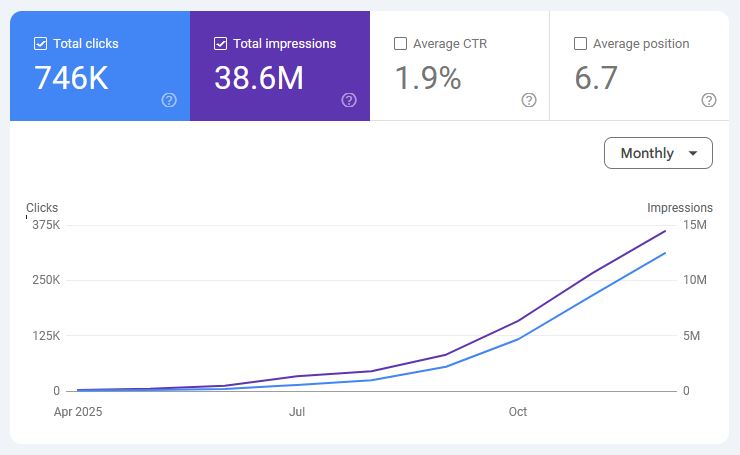
Launching a campaign is merely the beginning. The true mastery of Facebook advertising lies in deciphering the data. Both Facebook’s built-in analytics and third-party platforms like Hootsuite provide invaluable insights. Track key metrics such as impressions, clicks, engagement rates, and, crucially, return on investment (ROI). These numbers aren’t just statistics; they are a roadmap. They inform future campaign adjustments, guiding decisions on audience refinements, creative iterations, budget reallocation, and even objective recalibration. This iterative process of analysis and adaptation is what transforms good campaigns into truly exceptional ones.

FAQ
What are key ad policy restrictions?
Ads must not promote illegal products, discrimination, or misleading claims. Ad content must be truthful.
Explain custom audience creation.
Custom audiences use existing customer data, website visitors, or app activity for precise retargeting.
How does A/B testing improve ads?
A/B testing compares different ad elements, like visuals or text, to identify top-performing variations.
How to avoid ad fatigue?
Regularly refresh ad creatives, expand audience segments, or adjust frequency settings.