pryanicom
Ever wondered what truly drives the digital storefronts you encounter daily, connecting intent with opportunity at lightning speed? Google Ads isn’t merely a platform; it’s a sophisticated auction system, a dynamic marketplace where businesses vie for visibility across an unparalleled network. Understanding its foundational mechanics is the bedrock for any successful campaign in 2026.
At its heart, Google Ads, which shed its original “AdWords” moniker in 2018 to reflect its expanded universe, functions as a pay-per-action model. While various actions exist, cost-per-click (CPC) remains the dominant currency. This means you pay only when a user actively engages with your advertisement, a direct testament to its performance-driven nature. This intricate system extends far beyond Google’s search results pages, encompassing a vast network of partner websites, YouTube, Gmail, and more, ensuring your message finds its audience wherever they are.
Decoding the Bidding Spectrum
Navigating the Google Ads ecosystem requires a grasp of its core bidding options, each tailored for distinct campaign objectives:
- Cost-per-click (CPC): The workhorse of search advertising. You set a maximum bid for each click, and Google optimizes to deliver clicks within your budget. Ideal for driving traffic and conversions.
- Cost-per-mille (CPM): “Mille” meaning thousand, this model charges you for every 1,000 impressions (views) your ad receives. Primarily used for brand awareness campaigns where broad reach is paramount, especially on the Display Network.
- Cost-per-engagement (CPE): A specialized bid strategy where you pay for specific user interactions beyond a simple click, such as video views, app installs, or lead form submissions. This option aligns payment directly with deeper user commitment.
Quality Score: Google’s Relevance Compass
Beyond your bid, a critical, often underestimated factor dictates your ad’s success: Quality Score. Think of it as Google’s internal relevance meter, a diagnostic tool that assesses the usefulness and pertinence of your ad to a user’s search or browsing context. It’s not a direct bidding option, but its influence is profound.
Google calculates Quality Score based on three pillars: your ad’s expected click-through rate (CTR), its relevance to the keywords or content it’s targeting, and the landing page experience it offers. A higher Quality Score doesn’t just improve your ad’s position; it can dramatically reduce your CPCs, allowing you to achieve superior ad placement for less money. It’s Google’s way of rewarding advertisers who provide genuine value to their users, ensuring the ecosystem remains beneficial for everyone.
Beyond Search: A Deep Dive into Google Ads Formats
While many initially associate Google Ads with the familiar text snippets appearing on search results pages, the platform’s true power lies in its expansive array of formats, each meticulously designed to engage audiences at different stages of their journey. Mastering these diverse ad types is not merely about ticking boxes; it’s about strategically deploying the right message, in the right place, at the optimal moment. Understanding the nuances of each format is crucial for effective campaign setup and optimization, building directly on the foundational knowledge of core mechanics and bidding strategies to achieve measurable business objectives.
Dynamic Text Ads
Responsive Search Ads (RSAs) represent a significant leap forward in text-based advertising on Google’s Search Engine Results Pages (SERPs). Instead of crafting a single, static ad, advertisers provide up to 15 headlines and 4 descriptions. Google’s sophisticated AI then dynamically mixes and matches these components, testing countless combinations in real-time to identify the most effective permutations for each individual search query. This adaptive approach ensures maximum relevance and often leads to higher click-through rates and improved Quality Scores. The beauty here is in the system’s ability to learn and optimize without constant manual intervention, delivering a highly personalized ad experience.
AI-Driven Conversion Engine
Performance Max (PMax) campaigns are Google’s answer to holistic, goal-oriented advertising. This AI-driven strategy unifies all of Google’s advertising channels—Search, Display, YouTube, Gmail, and Discover—into a single campaign. Advertisers provide assets (text, images, videos), and PMax leverages machine learning to serve the most appropriate ad format across the entire Google ecosystem to drive conversions. It’s a powerful tool for businesses focused on specific outcomes, whether that’s online sales, lead generation, or store visits, simplifying complex multi-channel execution into one streamlined process.
Visual Storytelling on Google
Discovery Ads offer a visually rich experience, appearing natively across high-intent Google feeds like YouTube’s home feed, Gmail’s Promotions and Social tabs, and the Google Discover feed on mobile devices. These ads are designed to capture attention when users are in an exploratory mindset, browsing content they find interesting. By combining compelling imagery or video with concise headlines and descriptions, Discovery Ads allow brands to tell a story and engage users who might not be actively searching for a product but are open to new ideas.
Video Powerhouse
YouTube Ads harness the immense power of video to connect with audiences. With formats tailored for various objectives, they are indispensable for brand awareness and product launches.
| Ad Format | Key Characteristic | Primary Goal |
|---|---|---|
| Skippable In-stream | Plays before, during, or after other videos; skippable after 5 seconds. | Conversions, leads, website traffic |
| Non-skippable In-stream | Max 15-20 seconds; plays before, during, or after videos. | Brand awareness, reach |
| Bumper Ads | Non-skippable, max 6 seconds. | Brand awareness, reach |
| Outstream Ads | Mobile-only, appear on partner sites/apps; play automatically without sound. | Brand awareness, reach |
These formats provide flexibility, from short, impactful bumpers to longer, narrative-driven in-stream ads, ensuring your message resonates where video consumption is paramount.
Visual Reach Across the Web
Display Ads extend your visual presence across the vast Google Display Network (GDN), which spans millions of websites, apps, and Google-owned properties. Ideal for retargeting campaigns, brand awareness, and reaching broad audiences with visual messaging, Display Ads come in various forms, including static image ads and Responsive Display Ads. The latter, much like RSAs, adapt their size and appearance to fit available ad spaces, optimizing for performance across diverse placements.
E-commerce Product Showcase
For businesses selling physical products, Shopping Ads are non-negotiable. These e-commerce focused ads pull product data directly from your Google Merchant Center feed, showcasing product images, titles, prices, and store names directly on Google’s SERPs, Google Images, YouTube, and Discover. They cater to users with high purchase intent, offering a direct visual path to conversion and often delivering impressive return on ad spend.
Driving Mobile Growth
App Ads are specifically engineered to drive installs or engagement for mobile applications on both iOS and Android platforms. These campaigns automatically generate ads across Google Search, Google Play, YouTube, and the Display Network, using assets like your app store listing, videos, and images. The system then optimizes delivery to reach users most likely to download or perform specific in-app actions, making it a powerful tool for mobile app developers and marketers.
Simplified Automation
Smart Campaigns offer an AI-powered, simplified approach to advertising, perfect for small businesses or those new to Google Ads. With minimal setup and ongoing management, these campaigns leverage machine learning to optimize bidding and targeting based on your business goals, such as driving calls, website visits, or local store actions. While offering less granular control than standard campaigns, their ease of use and automated optimization make them an accessible entry point for brands looking to quickly establish an online presence.
Mastering Google Ads: Cost, Setup, and Optimization
Navigating the Google Ads ecosystem requires more than just a budget; it demands a nuanced understanding of its financial mechanics, a meticulous approach to campaign construction, and a relentless commitment to refinement. Let’s demystify the financial intricacies, architect your campaigns with precision, and then unleash peak performance through strategic optimization.
Understanding Ad Costs
The cost of a click on Google Ads isn’t a fixed tariff; it’s a dynamic interplay of numerous factors. Your Quality Score, a diagnostic metric assessing ad relevance, expected click-through rate, and landing page experience, profoundly influences your effective cost-per-click (CPC). A higher Quality Score often translates to lower CPCs and better ad positions. Beyond Quality Score, competition for specific keywords, the chosen bid strategy (e.g., Maximize Conversions, Target CPA), geographic and device targeting, and even the time of day all sculpt the final price tag.
To provide some context, average CPCs across industries in 2024 varied significantly. While these are benchmarks and not guarantees, they illustrate the competitive landscape:
| Industry Sector | Average Search CPC (2024) | Average Display CPC (2024) |
|---|---|---|
| Legal Services | $8.50 – $12.00 | $0.75 – $1.50 |
| E-commerce Retail | $1.50 – $3.00 | $0.40 – $0.80 |
| Software as a Service | $4.00 – $7.00 | $0.60 – $1.20 |
| Home Services | $5.00 – $9.00 | $0.50 – $1.00 |
These figures represent average ranges from 2024 and can fluctuate based on specific keywords, geographic targeting, and market conditions.
Campaign Creation Walkthrough
Architecting a Google Ads campaign begins with a clear objective. First, establish your Google Ads account and link billing. Then, the real work begins:
- Define Campaign Goals: Are you aiming for website traffic, leads, sales, or brand awareness? This dictates your campaign type and bidding strategy.
- Select Campaign Type: Choose from Search, Display, Shopping, Video, App, or Performance Max, aligning with your goals.
- Set Budget and Bidding: Allocate a daily budget and select a bidding strategy. For new campaigns, “Maximize Clicks” can be a good starting point to gather data, transitioning to conversion-focused strategies later.
- Targeting Parameters: Specify locations, languages, audiences, and device types. Precision here prevents wasted spend.
- Ad Group Development: This is where granular control shines. Each ad group should focus on a tightly themed set of keywords. For instance, an e-commerce store selling running shoes might have ad groups for “men’s trail running shoes,” “women’s road running shoes,” and “kids’ athletic sneakers.”
- Keyword Research: Populate each ad group with relevant keywords, utilizing various match types (broad, phrase, exact) to control traffic quality.
- Craft Compelling Ads: Develop responsive search ads (RSAs) with multiple headlines and descriptions. Google’s AI will then mix and match these components to find the best performing combinations.
- Implement Ad Extensions: Enhance your ads with sitelinks, callouts, structured snippets, and call extensions to provide more information and improve visibility.
Top 3 Optimization Strategies
Once your campaigns are live, the true art of digital marketing unfolds through continuous optimization.
- Master Your Headlines: Headlines are your ad’s first impression. They must be compelling, keyword-rich, and clearly communicate a benefit or solution. With Responsive Search Ads, experiment with at least 10-15 distinct headlines, pinning your most critical messages to specific positions if necessary. Focus on unique selling propositions, price points, and strong calls to action within these headlines. The goal is to captivate instantly.
- Embrace Continuous Testing: The digital arena is a perpetual laboratory. A/B test everything: ad copy variations, landing page elements, bidding strategies, audience segments, and even ad extension combinations. Analyze the data meticulously. Which headline-description pairing yields the highest click-through rate? Which landing page variant drives more conversions? This iterative process of hypothesis, test, and analysis is the bedrock of effective advertising.
- Refine Calls to Action: A clear, concise, and benefit-oriented call to action (CTA) is non-negotiable. Don’t just say “Click Here.” Instead, guide your user with specific instructions and implied value: “Get Your Free Quote,” “Download the Ebook Now,” “Shop Latest Arrivals,” or “Book a Demo.” Strong CTAs reduce friction and clearly articulate the next step, significantly impacting conversion rates.
FAQ
How do audience segments enhance targeting?
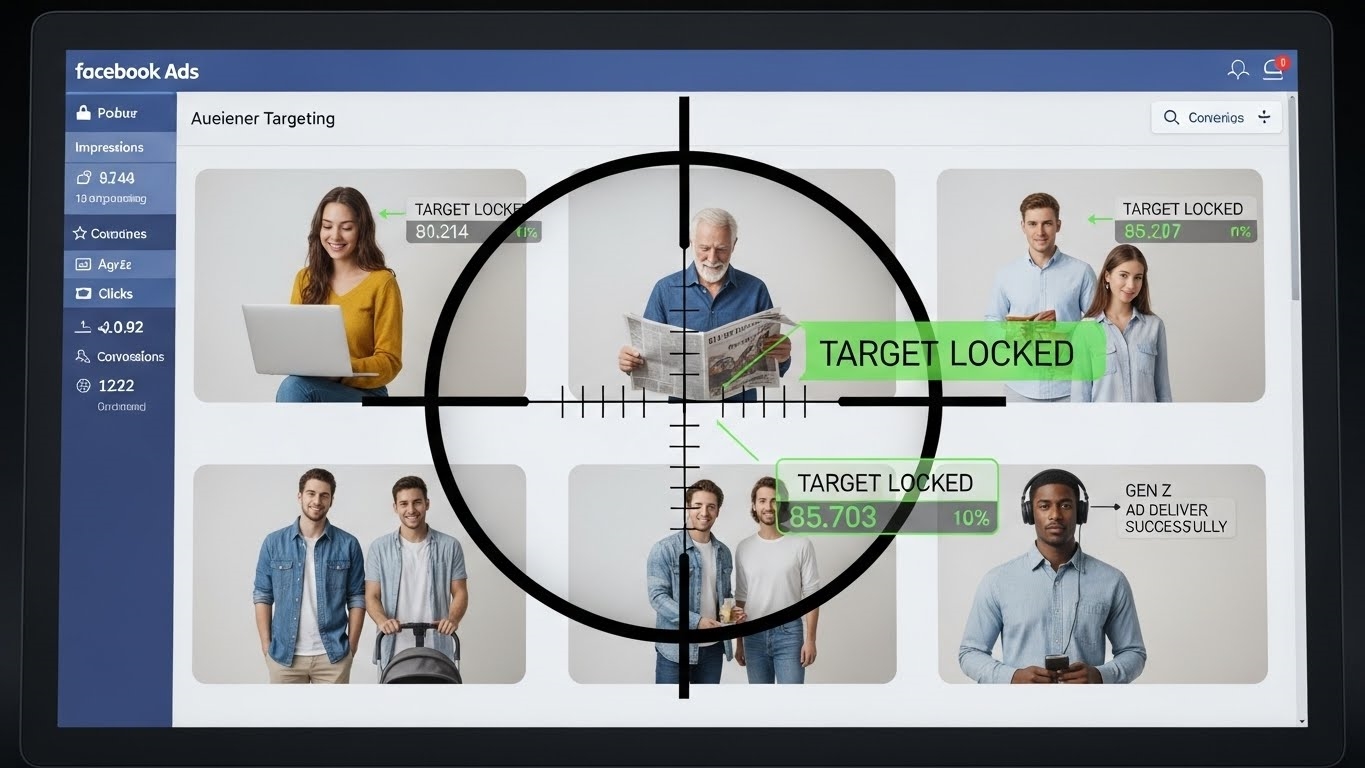
Audience segments allow precise targeting based on demographics, interests, behaviors, or past interactions, refining who sees ads.
What are negative keywords?
Negative keywords prevent ads from showing for irrelevant searches, improving ad relevance, reducing wasted spend.
Which attribution models exist?
Models include last click, first click, linear, time decay, position-based, data-driven, assigning conversion credit differently.
What are advanced bidding strategies?
Advanced strategies like Target ROAS, Maximize Conversions, or Target CPA automate bids to achieve specific performance goals.