pryanicom
Imagine a direct conduit to the attention of 1.65 billion individuals, not just browsing, but actively seeking inspiration, connection, and discovery. This isn’t a futuristic fantasy; it’s the strategic reality of Instagram advertising in 2026. Forget passive impressions; we’re talking about a platform where your brand can genuinely connect with its ideal audience, transforming casual scrolls into meaningful engagements.
Understanding Instagram Ads: Your Brand’s Spotlight
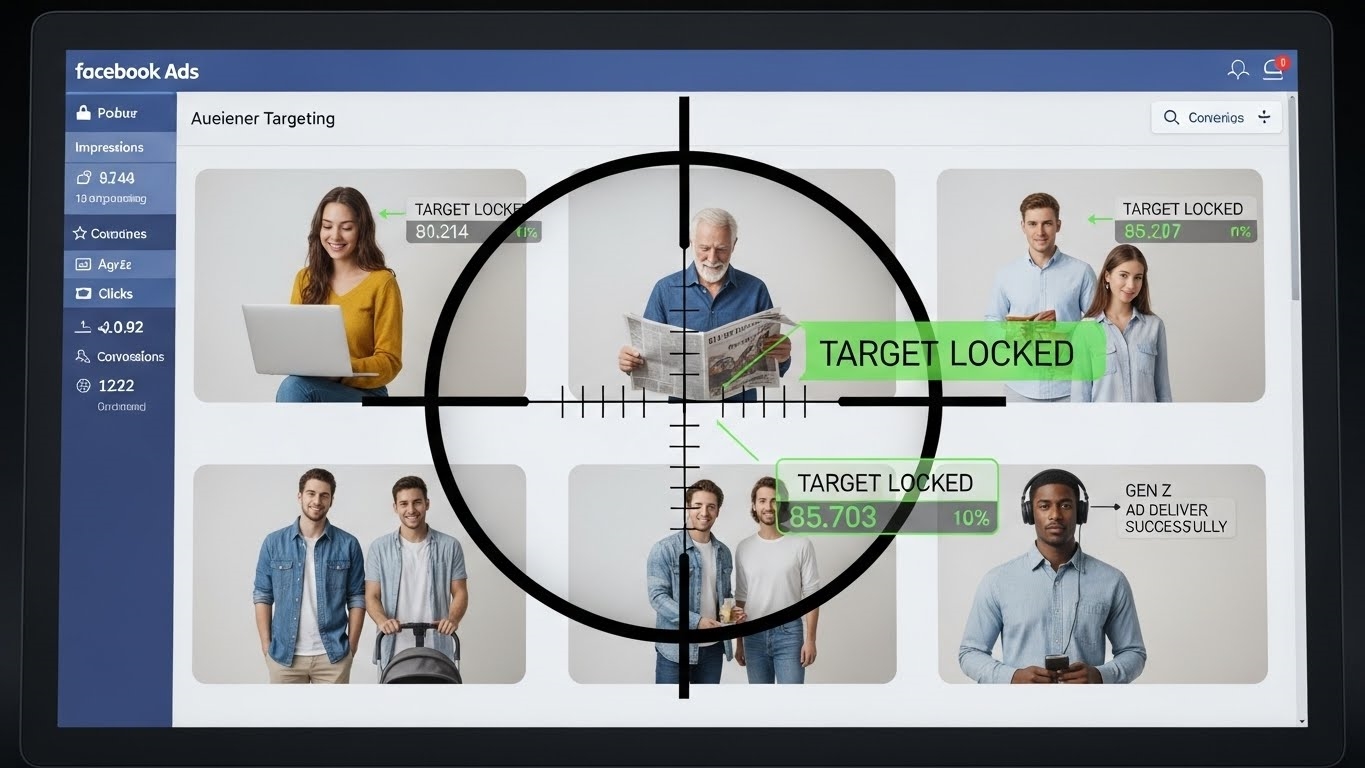
At its core, an Instagram Ad is a meticulously crafted, paid post designed to cut through the noise and land directly in front of specific, pre-defined audiences. These aren’t random interruptions; they’re strategically placed content, seamlessly integrated into user feeds, immersive Stories, and the ever-popular Explore pages, always clearly marked with a ‘Sponsored’ label. This transparency builds trust, while the native integration ensures your message feels less like an advertisement and more like a discovery. It’s about leveraging sophisticated targeting to ensure your narrative resonates with those most likely to convert.

Global Reach and Untapped Growth
The sheer scale of Instagram’s audience is staggering. With the ability to reach 1.65 billion people globally, the platform offers an unparalleled canvas for brands seeking significant year-over-year expansion. This isn’t just a number; it represents a vibrant, engaged community continually growing and diversifying. For any business aiming for substantial market penetration or niche audience capture, Instagram’s expansive user base presents an undeniable growth potential that few other channels can match.
Pillars of Instagram Ad Success
To truly harness this immense power, three core principles must guide every campaign. First, a mobile-first design isn’t optional; it’s foundational. Ads must be optimized for vertical viewing, quick consumption, and intuitive interaction on a smartphone screen. Second, targeted audience engagement is paramount. Generic messaging falls flat; precision targeting ensures your ad speaks directly to the desires and pain points of your intended customer. Finally, continuous performance monitoring is the engine of optimization. Without rigorous tracking and iterative adjustments, even the most brilliant creative can underperform. These pillars aren’t just best practices; they are the bedrock of impactful, revenue-driving Instagram advertising.

Mastering Instagram’s Ad Format Arsenal
Instagram, far from being a mere photo-sharing app, stands as a formidable advertising powerhouse in 2026. For marketers, understanding its comprehensive suite of ad formats isn’t just beneficial; it’s absolutely critical for crafting campaigns that resonate and convert. This platform offers an expansive toolkit, meticulously designed to align with virtually any business objective, from brand awareness to direct sales.
This strategic deployment of varied ad types is central to harnessing Instagram’s immense global reach, enabling brands to connect with specific audiences through compelling, mobile-first designs that capture attention and drive engagement. Let’s dissect the diverse formats available, starting with the foundational elements that drive most campaigns.

Core Visual Ad Types
Image Ads: The Power of a Single Frame
At its heart, the image ad remains a cornerstone. These single, compelling visuals are perfect for showcasing a product, highlighting a service, or reinforcing brand identity with immediate impact. While Meta has evolved its guidelines, the principle of minimal overlaid text still holds true for optimal performance. A clean, striking image with a clear call to action often outperforms cluttered designs, ensuring your message cuts through the noise. Think high-resolution, aspirational imagery that speaks volumes without needing excessive explanation.
Video Ads: Dynamic Storytelling
Video ads unlock a new dimension of engagement, allowing for rich narratives and detailed product demonstrations. Standard video ads, appearing in feeds or Stories, can range from short, punchy clips to longer-form content, providing flexibility for different storytelling depths. They are ideal for illustrating product features in action or conveying a brand’s ethos. These can be landscape, square, or vertical, adapting to various placements.

Story Ads: Immersive Engagement
Story ads offer an unparalleled full-screen, immersive experience. By leveraging the organic features users love – polls, quizzes, swipe-up links – these ads feel less like an interruption and more like an interactive extension of the user’s feed. Their ephemeral nature creates urgency, while their vertical format ensures they dominate the mobile screen, capturing undivided attention. They are particularly effective for driving immediate action or gathering audience insights.
Expanding Your Ad Format Horizon
Beyond these core formats, Instagram provides a robust array of specialized options to fine-tune your campaign strategy.

Carousel Ads: Multi-faceted Narratives
Carousel ads allow you to tell a more comprehensive story or showcase a collection of products through a series of images or videos. Each card can have its own link, making them incredibly versatile for highlighting different product variations, explaining a multi-step process, or presenting a sequential narrative.
Collection Ads: Shop Directly from the Feed
A powerful hybrid, collection ads combine the visual appeal of a carousel with direct shopping functionality. They feature a prominent hero image or video, followed by a grid of product images. Tapping on the ad opens a full-screen instant experience, allowing users to browse and purchase products without leaving the Instagram app. This frictionless path to conversion is a game-changer for e-commerce.

Explore Ads: Contextual Discovery
Placing ads within the Explore tab positions your brand directly in the path of users actively seeking new content and accounts. These ads appear organically within the personalized grid, aligning your message with users’ discovery habits and interests, making them highly effective for reaching new, relevant audiences.
Shopping Ads: Tag and Transact
Shopping ads leverage Instagram’s native shopping features, allowing you to tag products directly in your posts and Stories. Users can tap these tags to view product details and make purchases directly within the app, provided you have an Instagram Shopping catalog properly integrated. This creates a seamless, in-app retail experience.

Reels Ads: Full-Screen Vertical Impact
Reels ads are a distinct format integrated seamlessly into the full-screen, vertical Reels feed. Designed for sound-on consumption, they often feature trending audio or interactive elements. These demand a native, authentic feel, mirroring the user-generated content that dominates the Reels experience. Think quick cuts, dynamic text, and a hook within the first few seconds to capture attention in this fast-paced environment.
To summarize the diverse applications:

| Ad Format | Primary Use Case | Key Characteristic | Ideal Content Type |
|---|---|---|---|
| Image Ads | Brand awareness, product highlight | Single, static visual | High-quality photography, graphic design |
| Video Ads | Storytelling, product demonstration | Dynamic, motion-based (feed/story placement) | Short clips, tutorials, brand narratives |
| Story Ads | Immediate engagement, direct action | Full-screen, interactive, ephemeral | Polls, quizzes, swipe-up offers |
| Reels Ads | Discovery, trend participation | Full-screen vertical, sound-on, native feel | Fast-paced, entertaining, trending audio |
| Carousel Ads | Multi-product showcase, sequential story | Multiple images/videos, swipeable | Product lines, step-by-step guides |
| Collection Ads | In-app shopping, product showcase | Hero media + product grid, instant experience | Product catalogs, lifestyle imagery |
| Explore Ads | Reaching new, relevant audiences | Contextual placement within discovery feed | Engaging visuals, curiosity-inducing content |
| Shopping Ads | Direct path to purchase | Product tagging for in-app checkout | Shoppable posts, product-focused visuals |
Mastering this diverse arsenal allows marketers to precisely tailor their message and creative to the unique context of each placement, maximizing campaign effectiveness and return on ad spend.
Crafting Impactful Instagram Ad Campaigns
Navigating the intricacies of Instagram advertising demands a strategic blueprint, from understanding financial commitments to executing campaigns with precision. It’s not merely about throwing money at the platform; it’s about intelligent allocation and meticulous setup.

Decoding Instagram Ad Spend
The financial outlay for Instagram advertising isn’t a fixed sum; it’s a dynamic interplay of several factors. Advertisers can opt for a daily budget, ensuring consistent spend, or a lifetime budget, which Meta’s algorithms distribute over the campaign’s duration for optimal results. Key performance indicators (KPIs) like Cost Per Click (CPC), Cost Per Engagement (CPE), and Cost Per Mille (CPM – cost per thousand impressions) serve as crucial benchmarks, though these fluctuate significantly.
| Metric | Definition | Influencing Factors |
|---|---|---|
| CPC | Cost per click | Ad relevance, bid strategy, audience competition |
| CPE | Cost per engagement | Creative quality, call-to-action clarity, audience interest |
| CPM | Cost per 1000 impressions | Audience size, placement, seasonality, industry |
Beyond these benchmarks, the specificity of your audience targeting plays a pivotal role. Highly niche audiences, while valuable, can sometimes drive up costs due to their scarcity. Industry competitiveness is another major determinant; sectors with high advertiser density often see elevated bids. Finally, ad placement matters immensely. Stories and Reels placements, for instance, often command different pricing structures compared to feed placements, reflecting their unique engagement potential.

Orchestrating Campaigns with Meta Ads Manager
For granular control and extensive customization, Meta Ads Manager remains the gold standard. The process, while comprehensive, is logical:
Begin by creating a new campaign, selecting an objective that aligns precisely with your business goal—be it brand awareness, lead generation, or sales. Define your campaign setup, including specific ad categories for sensitive topics like housing or employment, and consider A/B testing from the outset to compare different creative or audience approaches. Next, articulate your performance goal, whether it’s maximizing conversions or reaching a specific cost per result.

Budget and schedule management follow, where you allocate your daily or lifetime spend and set the campaign’s run dates. This leads into the critical phase of audience targeting. Here, you define demographics, interests, behaviors, and custom audiences, ensuring your message reaches the most receptive eyes. Carefully select your placements, choosing between automatic (recommended for reach) or manual options across Instagram feeds, Stories, Reels, and Explore. The final, and arguably most crucial, step is ad creative development. This involves crafting compelling visuals, writing persuasive copy, and integrating clear calls-to-action that resonate with your chosen audience.
Streamlining with Hootsuite for Instagram Ads
For those seeking a more integrated and simplified workflow, platforms like Hootsuite offer a compelling alternative. This approach distills the campaign setup into a more digestible sequence:
Start by initiating a new campaign within the Hootsuite dashboard. Clearly define your objective, mirroring the choices available in Meta Ads Manager but within a streamlined interface. Configure your audience and budget settings, leveraging Hootsuite’s intuitive tools to pinpoint your ideal demographic and manage your spend.
The next phase involves ad creation, where you upload your media—ensuring it meets Instagram’s specific requirements for aspect ratios and file types—and compose your ad copy. Once satisfied, you can schedule or immediately publish your campaign. A significant advantage here is the integrated conversion tracking via Pixel Connector, allowing you to monitor performance and attribute sales or leads directly back to your Instagram ad efforts, all from a single platform. This consolidated view offers efficiency without sacrificing essential performance insights.
Elevating Instagram Ad Performance
Optimizing Instagram ad campaigns transcends mere budget allocation; it demands a nuanced understanding of platform dynamics and audience behavior. To truly amplify impact and drive conversions, marketers must focus on strategic creative development, continuous testing, and rigorous data analysis.
Core Strategy: Three Pillars of Impact
A winning Instagram ad strategy hinges on foundational principles that resonate with users.
-
Mobile-First Imperative: The vast majority of Instagram interactions occur on mobile devices. This isn’t just a preference; it’s the default. Ads must be conceived and executed with this reality at the forefront. Prioritize vertical formats (9:16 aspect ratio) that fill the screen, minimizing distractions. Keep text overlays concise, almost telegraphic, and integrate short, punchy video content. Think immediate visual grab, not a lengthy exposition. The goal is to deliver a compelling message within seconds, optimized for thumb-stopping power on a small screen.
-
Instant Brand Recognition: In a feed saturated with content, your brand needs to register immediately. Integrate your brand identity and core message within the initial seconds of any ad, especially video. This means prominent logos, consistent color palettes, and a clear value proposition upfront. Don’t save the reveal for the end; assume users might scroll past quickly. A strong opening ensures that even a fleeting glance communicates who you are and what you offer.
-
Silent Storytelling: A significant portion of Instagram users browse with sound off. Your visuals, therefore, must convey your message effectively without requiring audio. Design ads that are visually self-explanatory. Complement these strong visuals with clear, concise captions and strategic text overlays that reinforce key points. While audio can enhance the experience for those who enable it, the core narrative should be intelligible in silence.
Embrace Ad Format Exploration
Stagnation is the enemy of engagement. Audiences quickly tire of repetitive ad formats or creative approaches. Successful advertisers continually experiment with diverse Instagram ad types. This means testing everything from single image ads and immersive Story ads to dynamic Carousel ads, Collection ads, and the highly engaging Reels ads. Each format offers unique storytelling capabilities and caters to different stages of the customer journey. By diversifying your creative portfolio, you maintain audience interest, uncover unexpected performance wins, and gather valuable insights into what truly resonates.
Analytics: Your Performance Compass
Guesswork has no place in high-performing ad campaigns. Leveraging analytics is non-negotiable for understanding ad effectiveness and driving data-driven decisions. Instagram’s native reporting tools within Meta Ads Manager provide a wealth of performance insights, from reach and impressions to click-through rates (CTR) and conversions. Supplement these with third-party integrations for deeper analysis, attribution modeling, and comprehensive ROI measurement. Monitor key metrics, identify trends, and be prepared to iterate rapidly based on what the data reveals. This continuous feedback loop is critical for optimizing spend and maximizing impact.
Inspiring Ad Campaigns in Action
Observing successful campaigns provides tangible lessons. Here are three examples illustrating effective strategies:
| Brand | Key Strategy | Ad Format Highlight | Impact |
|---|---|---|---|
| Speks | Product Showcasing | Video Ads | Visually demonstrates product utility and aesthetic appeal. |
| Crocs | Concise Messaging | Image Ads | Bold, clear visuals with minimal text, instantly recognizable. |
| Canopy | Visual Appeal | Carousel Ads | Showcases product range and lifestyle integration through sequence. |
Speks, for instance, masterfully uses short video ads to showcase the tactile and versatile nature of their magnetic desk toys, making the product’s unique selling points immediately apparent. Crocs often employs vibrant, concise image ads that lean into their brand’s playful identity, achieving instant recognition. Canopy, with its home goods, frequently utilizes carousel ads to display different product variations or demonstrate how their items fit into various living spaces, offering a comprehensive visual story.
Synergizing Paid and Organic Efforts
The most impactful Instagram strategies don’t treat paid and organic content as separate entities; they integrate them. Paid advertising can amplify the reach of your best-performing organic content, introducing it to new, targeted audiences. Conversely, insights from organic engagement (e.g., popular post types, trending topics in comments) can inform your ad creative, ensuring your paid messages are already pre-validated by your community. This symbiotic relationship strengthens customer connections, expands brand reach, and builds a more cohesive and authentic brand presence across the platform.
FAQ
What are common reasons for ad rejection?
Ads are rejected for policy violations. Prohibited content includes discrimination, deceptive claims, or illegal products.
How to avoid audience ad fatigue?
Regularly refresh creative assets. Vary ad formats. Segment audiences.
Can AI help with ad creative generation?
AI tools generate copy, optimize visuals, predict audience response.
How is brand safety maintained?
Utilize brand suitability controls. Exclude sensitive content categories.