pryanicom
Consider this: In 2026, how much of your meticulously crafted content truly reaches your intended audience organically? The answer, for most, is a sobering fraction. This is precisely where social media advertising steps in, not as a mere supplement, but as the indispensable engine driving visibility and engagement. It’s the deliberate, targeted investment that propels your message past the algorithmic gatekeepers, ensuring it lands squarely in front of the people who matter most to your brand.
The algorithmic imperative: Paid vs. organic
At its core, social media advertising is the strategic deployment of paid placements to amplify your brand’s presence and achieve specific marketing objectives. Unlike organic reach, which relies on the capricious whims of platform algorithms and existing follower networks, paid social offers a direct conduit to precisely defined audiences. Think of organic as hoping your message gets picked up by a friendly current; paid social is a high-powered speedboat, navigating directly to your destination. This distinction isn’t just semantic; it’s fundamental to surviving and thriving in a crowded attention economy.

Crafting connections: The strategic imperative
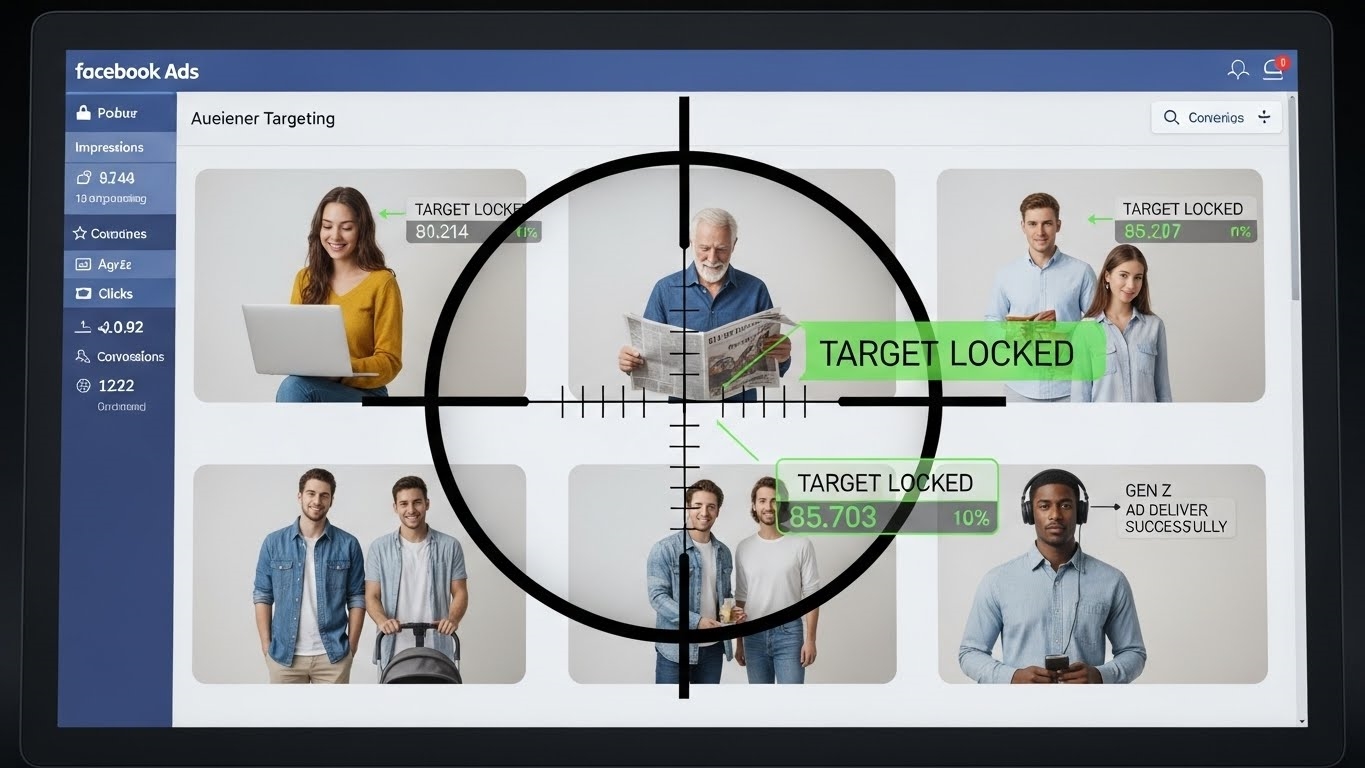
The strategic imperative of social media advertising for audience engagement cannot be overstated. It’s about more than just impressions; it’s about fostering meaningful interactions. By leveraging granular targeting capabilities, brands can deliver hyper-relevant content to users actively interested in their offerings, transforming passive scrolling into active consideration. This precision ensures that every advertising dollar works harder, cultivating deeper connections and driving measurable outcomes.
Anatomy of impact: Key components and metrics
Effective social media advertising hinges on mastering its core components: audience targeting, compelling ad creative, strategic bidding strategies, and optimized landing page experiences. Success isn’t accidental; it’s built on a foundation of data. Key metrics like Return on Ad Spend (ROAS), Cost Per Acquisition (CPA), Click-Through Rate (CTR), and conversion rates are not just numbers; they are the vital signs of your campaign’s health, guiding continuous optimization and ensuring every campaign delivers tangible business value.

Precision Engagement: Benefits and Platform Strategy
In the dynamic arena of brand communication, the strategic deployment of social media advertising stands as a cornerstone for reaching and influencing target audiences. It’s not merely about broadcasting messages; it’s about initiating meaningful dialogues and driving tangible outcomes. This deliberate approach to paid promotion is a strategic imperative for audience engagement, allowing brands to cut through the noise and connect directly with those most likely to resonate with their offerings.
Why Invest in Social Advertising?
The allure of social advertising isn’t just about reach; it’s about the quality and efficiency of that reach. When executed thoughtfully, the returns can be substantial.

- Unparalleled Targeting Precision: Forget spray-and-pray tactics. Social platforms offer granular targeting capabilities that are simply unmatched. Advertisers can define audiences not just by demographics like age and location, but by psychographics, interests, behaviors, and even custom lists of existing customers or website visitors. Imagine reaching individuals who have recently searched for “sustainable travel” or those who frequently engage with content about “AI in healthcare.” This level of specificity ensures ad spend is directed towards those genuinely predisposed to your message.
- Scalable Reach and Brand Resonance: Social advertising provides an immediate, scalable pathway to put your brand in front of millions. Whether launching a new product or reinforcing an established brand identity, paid campaigns can rapidly expand visibility far beyond organic limitations. This consistent exposure builds brand recognition and recall, fostering a sense of familiarity and trust among potential customers.
- Measurable ROI and Agile Optimization: Every dollar spent on social advertising is trackable. Platforms provide robust analytics dashboards, offering insights into impressions, clicks, conversions, and return on ad spend (ROAS). This data empowers marketers to conduct A/B tests on creatives, headlines, and calls-to-action, making real-time adjustments to optimize campaign performance. The ability to pivot quickly based on concrete data ensures continuous improvement and maximizes efficiency.
Matching Platforms to Your Audience
Selecting the right platform is less about being everywhere and more about being where your audience lives. A deep understanding of your target demographic’s online habits, preferences, and content consumption patterns is paramount.
- Are you targeting Gen Z with short-form, authentic video content? TikTok is likely your primary battleground.
- Is your focus on B2B decision-makers or talent acquisition? LinkedIn offers unparalleled professional networking.
- Are you aiming for visual discovery and e-commerce conversions among a planning-oriented audience? Pinterest could be your goldmine.
The key is to align your brand’s voice and objectives with the inherent culture and user base of each platform.

Major Platforms: Objectives and Formats
Each prominent social advertising platform offers a distinct ecosystem with unique strengths, ad objectives, and creative formats. Understanding these nuances is critical for effective campaign planning.
| Platform | Primary Objectives | Key Ad Formats | Core Audience Demographics |
|---|---|---|---|
| Meta (FB/IG) | Brand awareness, traffic, lead gen, sales, app installs | Image, video, carousel, collection, stories, reels, Instant Experience | Broad; strong for 25-65+, e-commerce, lifestyle, community building |
| TikTok | Brand awareness, reach, video views, traffic, conversions | In-feed video, TopView, Branded Hashtag Challenge, Branded Effects | Predominantly Gen Z and younger millennials; highly engaged, entertainment-focused |
| Lead generation, brand awareness, website visits, talent acquisition | Sponsored Content (image, video, carousel), Message Ads, Dynamic Ads, Text Ads | Professionals, B2B decision-makers, recruitment, thought leadership | |
| X (formerly Twitter) | Reach, video views, website traffic, engagement, app installs | Promoted Tweets (image, video, carousel), Follower Ads, Website Cards, App Cards | News junkies, real-time event followers, tech enthusiasts, B2B thought leadership |
| Brand awareness, traffic, conversions, catalog sales | Standard Pins, Video Pins, Idea Pins, Collection Pins, Carousel Pins, Shopping Ads | Planners, shoppers, visual discovery, strong female demographic, DIY, home decor, fashion |
Choosing the right platform isn’t a one-time decision; it’s an ongoing strategic process. By continuously analyzing audience behavior and campaign performance, marketers can refine their platform mix, ensuring their advertising efforts are always hitting the mark.

Strategic Spend and Campaign Crafting
Navigating the intricate world of social media advertising demands a sharp understanding of both financial mechanics and strategic execution. It’s not merely about allocating budget; it’s about orchestrating a precise, data-informed campaign that delivers measurable returns. In 2026, the platforms are more sophisticated than ever, offering unparalleled targeting capabilities, but also presenting a more competitive bidding environment.
Unpacking Ad Cost Variables
The cost of social media advertising is rarely a fixed price; it’s a dynamic interplay of numerous factors, primarily governed by an auction system. Advertisers bid for ad impressions, clicks, or conversions, and the platform’s algorithm determines who wins based on bid amount, ad quality, and estimated action rates.

Key variables influencing your expenditure include:
- Target Audience Specificity: Highly niche audiences, while effective, often command higher bids due to increased competition for a smaller pool of users. Conversely, broader targeting might yield lower individual costs but potentially less relevant engagement.
- Ad Quality and Relevance Score: Platforms like Meta (Facebook/Instagram) and LinkedIn assign a relevance score to ads. High-quality, engaging, and relevant ads are rewarded with lower costs and better placement because they enhance the user experience. Poorly performing ads are penalized.
- Bidding Strategy: Whether you opt for Cost Per Click (CPC), Cost Per Mille (CPM – cost per thousand impressions), Cost Per Action (CPA), or others, your chosen strategy directly impacts how your budget is spent and optimized by the platform’s algorithms.
- Competition and Seasonality: Industries with high advertiser density naturally face steeper competition, driving up costs. Seasonal peaks, such as holiday shopping periods, also see a surge in ad spend, making impressions more expensive.
- Placement and Ad Format: Advertising in premium placements (e.g., Instagram Stories, LinkedIn Feed) or using richer formats (e.g., video ads, carousel ads) can influence costs. While video often requires a higher initial production investment, its engagement potential can lead to a lower effective cost per valuable action.
Consider this simplified cost dynamic:

| Variable | Impact on Cost (Generally) |
|---|---|
| Niche Audience | Higher |
| Broad Audience | Lower |
| High Ad Relevance | Lower |
| Low Ad Relevance | Higher |
| High Competition | Higher |
| Low Competition | Lower |
| Video Ad Format | Potentially Higher (CPM) |
| Image Ad Format | Potentially Lower (CPM) |
Essential Strategy Tips
Success in social media advertising hinges on more than just understanding costs; it requires a disciplined, iterative approach.
- Audience Hyper-Segmentation: Move beyond basic demographics. Leverage custom audiences based on website visitors, customer lists, or app users. Create lookalike audiences to find new prospects mirroring your best customers. Tailor ad creative and messaging specifically for each segment. A retargeting campaign for abandoned carts, for instance, should have a distinct message and offer compared to an awareness campaign targeting cold prospects.
- Relentless A/B Testing: Never assume. Test everything: headlines, visuals, calls-to-action (CTAs), landing pages, and even audience segments. Small tweaks can yield significant improvements in performance. Establish clear hypotheses, run tests with sufficient statistical significance, and implement winning variations. This iterative optimization is the bedrock of efficient ad spend.
- Full-Funnel Campaign Architecture: Avoid the trap of focusing solely on bottom-of-funnel conversions. A robust strategy addresses every stage of the customer journey. Use broad reach campaigns for brand awareness, engagement campaigns for consideration, and conversion-focused campaigns for direct sales. Each stage requires different ad formats, messaging, and budget allocation to nurture prospects effectively through the funnel.
“The most effective social media campaigns aren’t just about reaching people; they’re about reaching the right people, with the right message, at the right time, and then learning from every interaction.”
Illustrative Campaign Successes
Examining real-world applications provides tangible insights into effective social media advertising.

- B2B Lead Generation on LinkedIn: A cloud-based analytics platform, ‘DataFlow Solutions,’ aimed to attract enterprise clients. Instead of broad targeting, they focused on decision-makers in specific industries (e.g., finance, healthcare) with job titles like ‘CTO’ or ‘Head of Data Science.’ Their campaign used thought leadership content (eBooks, webinars) promoted via Sponsored Content and Message Ads. By hyper-segmenting and offering high-value content, they achieved a 15% conversion rate on lead forms, demonstrating that higher CPCs for a precise audience can yield superior ROI.
- E-commerce Dynamic Product Ads: ‘Artisan Goods Co.,’ an online retailer of handcrafted jewelry, struggled with abandoned carts. They implemented dynamic product ads on Meta platforms, automatically showcasing products a user had viewed but not purchased. Their strategy included a small discount code in the ad copy. This highly personalized retargeting campaign resulted in a 22% recovery rate for abandoned carts, significantly boosting sales with a comparatively low ad spend due to its high relevance.
- Community Building on TikTok: A sustainable fashion brand, ‘EcoThreads,’ sought to engage a younger demographic. They launched a user-generated content challenge, encouraging followers to style their products using a specific hashtag. They amplified this with Spark Ads, promoting the best user-created videos. This approach generated millions of organic views and hundreds of thousands of engagements, effectively turning customers into brand advocates and creating a vibrant community at a fraction of the cost of traditional influencer marketing.
Mastering Social Advertising Operations
In 2026, the sheer volume of social media advertising campaigns demands a sophisticated approach to management and optimization. Gone are the days of haphazardly launching ads and hoping for the best. True success hinges on streamlining operations, understanding the nuanced role of tools like boosted posts, and, critically, weaving paid and organic efforts into a single, potent strategy.
Streamlining Campaign Management
Effective campaign management isn’t just about efficiency; it’s about unlocking performance at scale. Centralized platforms are no longer a luxury but a necessity. Tools like Meta Ads Manager, LinkedIn Campaign Manager, and specialized third-party solutions offer unified dashboards that consolidate data, enable cross-platform campaign creation, and facilitate granular control over targeting, budgeting, and creative assets.

Consider the power of automation. Automated bidding strategies, for instance, can dynamically adjust bids based on real-time performance metrics, ensuring optimal spend for conversions or clicks. Implementing A/B testing frameworks directly within these platforms allows for continuous iteration on ad copy, visuals, and calls to action, providing invaluable data on what resonates most with specific audience segments. The goal is to move beyond manual adjustments to a system where data-driven insights trigger automated optimizations, freeing up marketers to focus on strategic development rather than tactical execution.
Boosted Posts: A Strategic Lever
Boosted posts often get a bad rap, sometimes dismissed as a rudimentary form of advertising. However, when integrated thoughtfully, they serve as a powerful, agile component within a broader advertising ecosystem. Unlike complex campaign structures designed for specific conversion events, boosted posts excel at amplifying high-performing organic content, extending its reach to a wider, yet still targeted, audience.

Think of a compelling infographic that garnered significant organic engagement, or a customer testimonial video that struck a chord. Boosting these pieces can rapidly expand their visibility, driving awareness and engagement at the top of the funnel. They are ideal for:
- Content Amplification: Giving a second wind to exceptional organic content.
- Audience Testing: Quickly gauging interest in new content themes or messaging with a small budget.
- Community Re-engagement: Ensuring your most valuable followers see key updates.
It’s crucial to understand their limitations. Boosted posts typically offer less sophisticated targeting and optimization options compared to full-fledged ad campaigns. They are a sprint, not a marathon, best used to complement, not replace, a comprehensive advertising strategy.

Integrating Paid and Organic Efforts
The most potent social media strategies in 2026 don’t view paid and organic as separate entities but as two sides of the same coin, each enhancing the other. Organic content builds community, establishes brand voice, and serves as a testing ground for messaging. Paid advertising, conversely, provides precision targeting, accelerates reach, and drives direct conversions.
Here’s how this synergy truly shines:
| Organic Role | Paid Role | Integration Strategy |
|---|---|---|
| Content Testing: Identify top-performing posts. | Reach & Scale: Target new audiences. | Boost high-performing organic content. |
| Community Building: Foster engagement. | Retargeting: Re-engage warm audiences. | Create custom audiences from organic engagers. |
| Brand Voice: Establish authenticity. | Conversion Driving: Direct sales/leads. | Use organic insights to refine paid ad creatives. |
| UGC Generation: Encourage user content. | Amplification: Extend UGC reach. | Run paid campaigns featuring user-generated content. |
Imagine an organic post about a new product feature generates exceptional discussion. You can then create a paid campaign targeting lookalike audiences of those who engaged, using similar messaging and visuals. Or, leverage paid ads to drive traffic to a valuable organic resource, like a detailed blog post or a community group, nurturing leads before a direct sales pitch. This seamless integration ensures a cohesive brand experience, maximizing impact across the entire customer journey. The goal is a unified ecosystem where every piece of content, whether paid or organic, works in concert to achieve overarching business objectives.
FAQ
What are key legal compliance aspects?
Adherence to data privacy laws (GDPR, CCPA) is crucial. Disclose sponsored content clearly.
How do advanced targeting methods work?
Utilize custom audiences, lookalike audiences, retargeting for precise reach.
What makes ad creative compelling?
Strong visuals, clear calls to action, mobile optimization, storytelling drive engagement.
How is advertising attribution modeled?
Attribution models (first-click, last-click, linear) assign credit to touchpoints.