pryanicom
Imagine a platform where every interaction is a potential partnership, every connection a pathway to revenue. That’s LinkedIn in 2026. It has transcended its origins as a mere professional directory, solidifying its position as the undisputed engine for B2B lead generation and business expansion. With a vast, engaged audience of decision-makers, thought leaders, and industry specialists, LinkedIn offers unparalleled access to the individuals who drive commerce.
This year marks a profound evolution in how businesses leverage this network. We’re witnessing a strategic re-tooling, driven by advancements that fundamentally reshape engagement and conversion. The platform is now a dynamic ecosystem where authentic connection is paramount, fueled by compelling content and intelligent targeting.

Redefining engagement: Video, AI, and smarter ads
The shifts are not incremental; they represent a strategic imperative for any business aiming for growth. Video content, from short-form insights to in-depth live streams, has become central to building trust and demonstrating expertise, capturing attention in ways static posts simply cannot. Meanwhile, artificial intelligence isn’t just a buzzword; it’s the intelligence behind content moderation, prioritizing genuine contributions, and powering sophisticated ad solutions that pinpoint ideal prospects with surgical precision. These smarter ad solutions move beyond basic demographics, leveraging behavioral data and intent signals to deliver messages to the right audience at the optimal moment. This confluence of dynamic media, intelligent algorithms, and refined advertising tools transforms LinkedIn into a powerhouse for cultivating relationships and accelerating business objectives.
LinkedIn’s 2026 Algorithm: Video, AI, and Engagement Drivers
In 2026, LinkedIn isn’t just a professional network; it’s a dynamic ecosystem continually refining how professionals connect, learn, and transact. The platform’s commitment to fostering genuine value has driven a series of pivotal innovations, fundamentally reshaping marketing strategies. These advancements are not merely incremental updates; they represent a strategic overhaul designed to elevate the quality of interaction and the efficacy of business outreach.

The platform’s strategic shifts and new tools shaping LinkedIn marketing in 2026, emphasizing video, AI, and smarter ad solutions, are directly aimed at enhancing lead generation and business growth for its vast professional audience. A prime example of this evolution is the significant leap in video content capabilities.
Video Content Takes Center Stage
Short-form video, once a nascent trend, has fully matured on LinkedIn. We’re seeing dedicated feeds and profile integration that empower professionals to share quick, impactful insights, demonstrate expertise, or offer behind-the-scenes glimpses into their industries. This format thrives on authenticity, rewarding creators who deliver concise, valuable content that resonates without requiring extensive production. Complementing this, the expanded BrandLink program now offers advertisers unparalleled access to in-stream video ad placements. BrandLink provides premium, brand-safe environments within high-engagement video content, allowing businesses to reach their target demographics with compelling narratives directly within the professional viewing experience. This isn’t just about placing ads; it’s about integrating brand messaging seamlessly into the flow of professional discovery.

Campaign Manager Evolution
Beyond content delivery, the backbone of any successful campaign—the Campaign Manager—has received a substantial upgrade. These enhanced functionalities empower marketers with unprecedented control and insight.
| Feature Category | Pre-2026 Approach (Illustrative) | 2026 Enhanced Functionality |
|---|---|---|
| Planning | Manual audience selection, basic budget tools | Predictive analytics, AI-driven audience segmentation, intelligent budget allocation |
| Optimization | Periodic A/B tests, manual bid adjustments | Real-time A/B testing, AI-driven dynamic bid adjustments, creative recommendations |
| Measurement | Standard metrics, limited attribution | Advanced multi-touch attribution, customizable ROI dashboards, cross-platform insights |
For planning, new predictive analytics tools offer data-driven audience segmentation and intelligent budget allocation recommendations, moving beyond guesswork to strategic foresight. Optimization now includes real-time A/B testing for creatives and targeting, coupled with AI-driven bid adjustments that react dynamically to market conditions. Measurement capabilities have also advanced dramatically, featuring sophisticated attribution models that track the true impact of campaigns across various touchpoints, alongside customizable dashboards that provide granular ROI tracking. This holistic approach ensures every marketing dollar is spent with maximum impact.

AI-Driven Content Quality
Perhaps the most profound shift in algorithm dynamics comes from AI-powered content moderation. LinkedIn’s algorithm in 2026 is hyper-focused on prioritizing authentic expertise, originality, and meaningful contributions. Generic, low-effort posts—the kind designed purely for superficial engagement—are now actively deprioritized. The system intelligently identifies and elevates content that demonstrates deep industry knowledge, sparks genuine discussion, or offers unique perspectives. This means marketers and content creators must pivot from volume to value, ensuring every piece of content contributes substantively to the professional discourse. The reward for this commitment is significantly increased organic reach and engagement from a genuinely interested audience.
New Engagement Avenues
Adding another layer to user engagement, LinkedIn games have emerged as a strategic tool. These aren’t just diversions; they’re designed to increase time-on-platform and foster community, potentially offering new avenues for sponsored content or brand integration through leaderboards and challenges. Simultaneously, Live Event Ads have seen expanded capabilities, offering robust pre-event promotion tools, interactive in-event features, and sophisticated post-event retargeting options. This creates a full-funnel solution for virtual and hybrid events. Finally, the introduction of AI-powered Accelerate ads streamlines campaign management for businesses of all sizes. These ads leverage advanced AI to automate campaign setup, targeting, and optimization, ensuring optimal performance with minimal manual intervention. It’s a powerful tool for marketers seeking efficiency without sacrificing effectiveness.

Architecting Your LinkedIn Marketing Blueprint
Building a formidable presence on LinkedIn in 2026 demands more than just posting sporadically; it requires a meticulously crafted strategy, one that integrates precision with adaptability. Think of it as engineering a high-performance machine: every component must be optimized, every process refined.
Defining Your Success Metrics
Before a single post goes live, clarity on objectives is paramount. What does success look like for your organization on LinkedIn? Is it lead generation, brand awareness, talent acquisition, or establishing thought leadership? Each goal necessitates a distinct set of Key Performance Indicators (KPIs). For instance, if lead generation is the primary aim, you’ll track conversion rates from LinkedIn campaigns, Marketing Qualified Leads (MQLs), and Sales Qualified Leads (SQLs). For brand awareness, focus shifts to reach, impressions, and follower growth. Talent acquisition might prioritize applicant volume and quality derived from LinkedIn Recruiter or career page visits.

| Objective | Primary KPIs | Secondary Metrics |
|---|---|---|
| Lead Generation | Conversion Rate, MQLs/SQLs, Cost Per Lead | CTR, Engagement Rate, Website Visits |
| Brand Awareness | Reach, Impressions, Follower Growth | Profile Views, Mentions, Share of Voice |
| Talent Acq. | Applicant Volume, Quality of Hires, Time-to-Hire | Career Page Views, Employee Engagement, InMail Response |
| Thought Leader. | Engagement Rate, Shares, Article Views | Follower Growth, Profile Views, Mentions |
These KPIs aren’t just numbers; they are the compass guiding your strategic decisions.
Deep Dive into Audience Intelligence
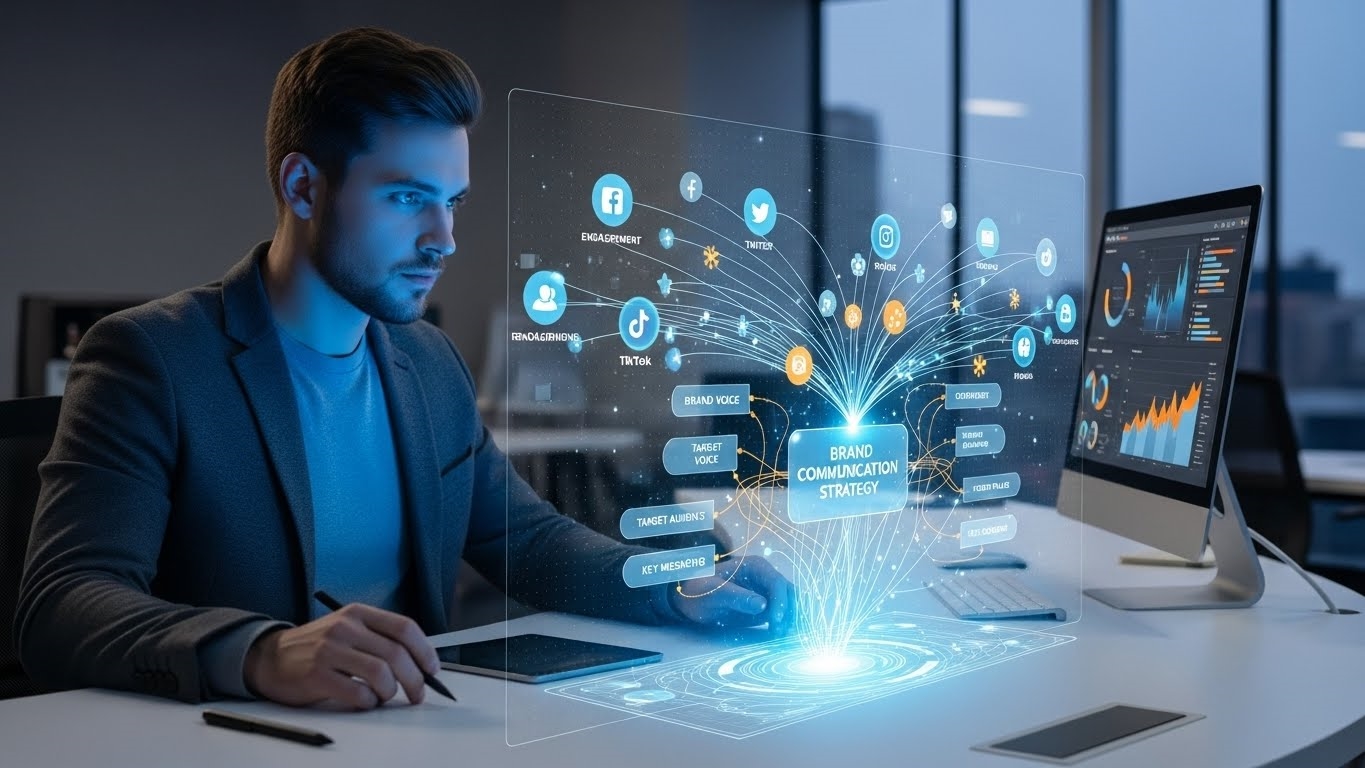
Understanding your audience is the bedrock of effective marketing. LinkedIn’s native analytics provide a wealth of demographic data, revealing insights into job titles, industries, company sizes, and geographic locations of your followers and visitors. But in 2026, we push beyond surface-level data. Leverage advanced AI tools to uncover subtle behavioral patterns, predict content resonance, and identify niche micro-segments within your target demographic. Combine this with sophisticated social listening platforms that monitor conversations, identify pain points, track trending industry topics, and even analyze competitor strategies. This granular intelligence allows you to construct hyper-accurate buyer personas, ensuring your messaging hits home every single time.

Optimizing Your Digital Front Door
Your Company Page and the profiles of your key executives are your digital storefronts on LinkedIn. For Company Pages, this means a fully completed profile with a compelling banner, a clear logo, and an ‘About Us’ section rich with relevant keywords. Consider Showcase Pages for specific products, services, or initiatives, allowing for targeted content delivery. Crucially, integrate employee advocacy programs to amplify your reach. For executive profiles, it’s about more than just a professional headshot. These profiles should be active hubs of thought leadership, sharing insightful content, engaging in relevant discussions, and showcasing authentic expertise. An optimized profile isn’t just visible; it builds trust and authority within the professional ecosystem.
Crafting Conversational Content
The LinkedIn algorithm in 2026 prioritizes authentic engagement and meaningful contributions. Your content strategy must move beyond broadcasting to fostering genuine connection and encouraging conversation. This means leveraging diverse formats: short-form video for quick insights or product demos, carousels for step-by-step guides or data visualization, in-depth articles for thought leadership, and polls or questions to spark immediate interaction. Don’t shy away from live events or Q&A sessions. The goal is to create content that educates, inspires, and prompts dialogue, transforming passive viewers into active participants. Remember, every comment is an opportunity for connection.

Iterative Analysis and Refinement
A robust LinkedIn strategy is never static. It’s a living, breathing entity that demands continuous analysis and refinement. Regularly dive into your performance data, comparing actual results against your established KPIs. What content formats performed best? Which topics resonated most strongly? Where did engagement drop off? Implement A/B testing for headlines, visuals, and calls-to-action to fine-tune your approach. The insights gained from this iterative process—understanding what worked, what didn’t, and crucially, why—allow you to adapt quickly to algorithm shifts, audience feedback, and market dynamics, ensuring your LinkedIn marketing efforts consistently deliver maximum impact.
Elevating Your LinkedIn Game: Strategies and Tech
Mastering LinkedIn in 2026 demands more than just a presence; it requires a dynamic approach rooted in genuine interaction and powered by sophisticated tools. As the platform’s algorithms increasingly prioritize authentic engagement, marketers must adapt their strategies to foster meaningful connections and amplify their reach.

Core Practices for Impactful Engagement
First, actively engaging with the community is paramount. The LinkedIn algorithm rewards genuine interaction. This isn’t about passive posting; it’s about initiating and participating in thoughtful discussions, responding to comments with substance, asking insightful questions, and contributing value to relevant groups. Consider a recent post about AI ethics: instead of a generic “great point,” a marketer might offer a nuanced perspective on data privacy implications, sparking a deeper conversation. This consistent, high-quality interaction signals to the algorithm that your content is valuable, increasing its visibility.
Next, optimizing content format and timing is critical for capturing attention. In a scroll-heavy feed, short, punchy posts with strong hooks are non-negotiable. The opening line must grab the reader immediately – perhaps a provocative question, a surprising statistic, or a bold statement. Think of it as a micro-story designed to compel a click or a pause. Furthermore, data-driven timing is essential. Tools that analyze your audience’s peak activity hours allow for precise scheduling, ensuring your content lands when your target professionals are most receptive. Native video, carousels, and polls also offer diverse ways to present information, catering to varied consumption preferences.

Finally, leveraging personal brands and employee advocacy humanizes your organization and dramatically extends its reach. People connect with people. When executives or team members share company insights, industry perspectives, or even behind-the-scenes glimpses, it builds trust and authenticity far beyond what a company page alone can achieve. Empowering employees to become brand advocates, sharing curated content and their own thought leadership, taps into their collective networks, multiplying your message’s organic footprint exponentially.
Powering Your Strategy with Advanced Tools
The sheer volume and complexity of modern LinkedIn marketing necessitate advanced management tools. For efficient content scheduling and creation, platforms now offer seamless integration with LinkedIn’s API, allowing for precise scheduling and automated publishing. Many also incorporate AI-assisted creation features, generating draft posts, suggesting optimal hashtags, and even refining headlines for maximum impact. Collaborative workflows within these tools streamline the review and approval process, ensuring brand consistency and compliance across distributed teams.

| Feature | Manual Workflow | Optimized Workflow (Tools) |
|---|---|---|
| Scheduling | Ad-hoc, prone to errors | Automated, data-driven |
| Content Drafting | Time-consuming, inconsistent | AI-assisted, templated |
| Team Collaboration | Email chains, version control issues | Centralized, real-time feedback |
| Approval Process | Slow, bottlenecked | Streamlined, auditable |
Comprehensive analytics and reporting capabilities move beyond basic platform metrics. Advanced dashboards aggregate data from all your LinkedIn activities – organic posts, paid campaigns, profile views, and engagement across various content types. This allows for granular insights into audience demographics, content performance, and lead attribution, enabling marketers to track ROI and refine strategies with precision.
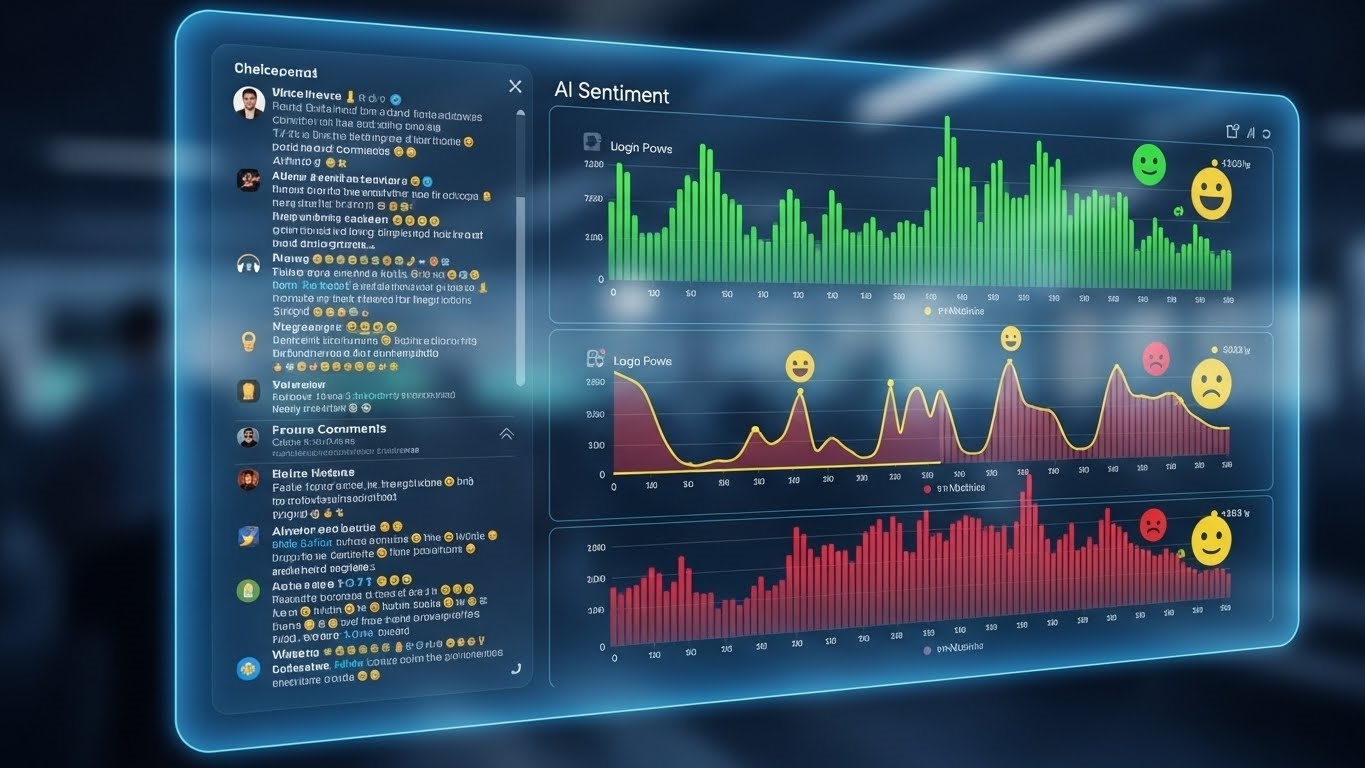
Advanced social listening is no longer a luxury but a necessity. These tools monitor LinkedIn conversations for mentions of your brand, competitors, and industry keywords. They identify emerging trends, gauge sentiment around specific topics, and uncover unmet needs within your target market. Imagine identifying a burgeoning discussion around “sustainable supply chains” and immediately tailoring your content to address that exact interest.
Furthermore, unified management of organic and paid campaigns ensures a cohesive strategy and optimized budget allocation. Tools that integrate both aspects allow marketers to see how their organic efforts inform and amplify paid campaigns, and vice-versa. This holistic view prevents siloed spending and ensures every dollar contributes to overarching business objectives.
Finally, centralized engagement and messaging tools are vital for maintaining timely and thoughtful interactions. These platforms consolidate inbound messages, connection requests, and comments from various LinkedIn touchpoints into a single, manageable interface. This prevents missed opportunities and enables prompt, personalized responses, reinforcing your brand’s commitment to community and customer relations.
FAQ
What data privacy rules apply?
GDPR, CCPA, other regional regulations govern data collection, usage. Consent, transparency are crucial.
How does CRM integrate with LinkedIn?
CRM platforms connect to LinkedIn Sales Navigator, Campaign Manager. This automates lead data sync, personalizes outreach.
How to make content accessible?
Use alt text for images, captions for videos, clear language, proper formatting. Ensure screen reader compatibility.
What about recruitment marketing?
Leverage LinkedIn Career Pages, InMail, Recruiter tools. Showcase company culture, employee testimonials.