pryanicom
What if the very essence of a university – its intellectual vibrancy, its community spirit, its future trajectory – could be amplified, not just to thousands, but to millions, instantaneously and authentically? This isn’t a futuristic vision; it’s the operational reality for post-secondary institutions. Social media has transcended its initial role as a peripheral communication channel, embedding itself as an indispensable pillar supporting the core mission of higher education. It’s no longer an optional add-on; it’s the central nervous system for institutional dialogue, outreach, and identity.
Amplifying Values and Achievements
These platforms serve as dynamic showcases, projecting an institution’s distinct ethos and groundbreaking accomplishments to a global audience. From celebrating Nobel laureates to highlighting community service initiatives, social channels craft compelling narratives that resonate far beyond traditional press releases. They humanize the institution, transforming abstract values into tangible stories of impact and innovation.

Forging Alumni Bonds and Fueling Philanthropy
Beyond mere nostalgia, social media cultivates a sustained sense of belonging among alumni. Targeted campaigns reignite connections, share success stories, and underscore the profound impact of philanthropic contributions. These digital communities become powerful engines for fundraising, translating shared pride into tangible support for scholarships, research, and campus development.
Harnessing Authentic Storytelling with UGC
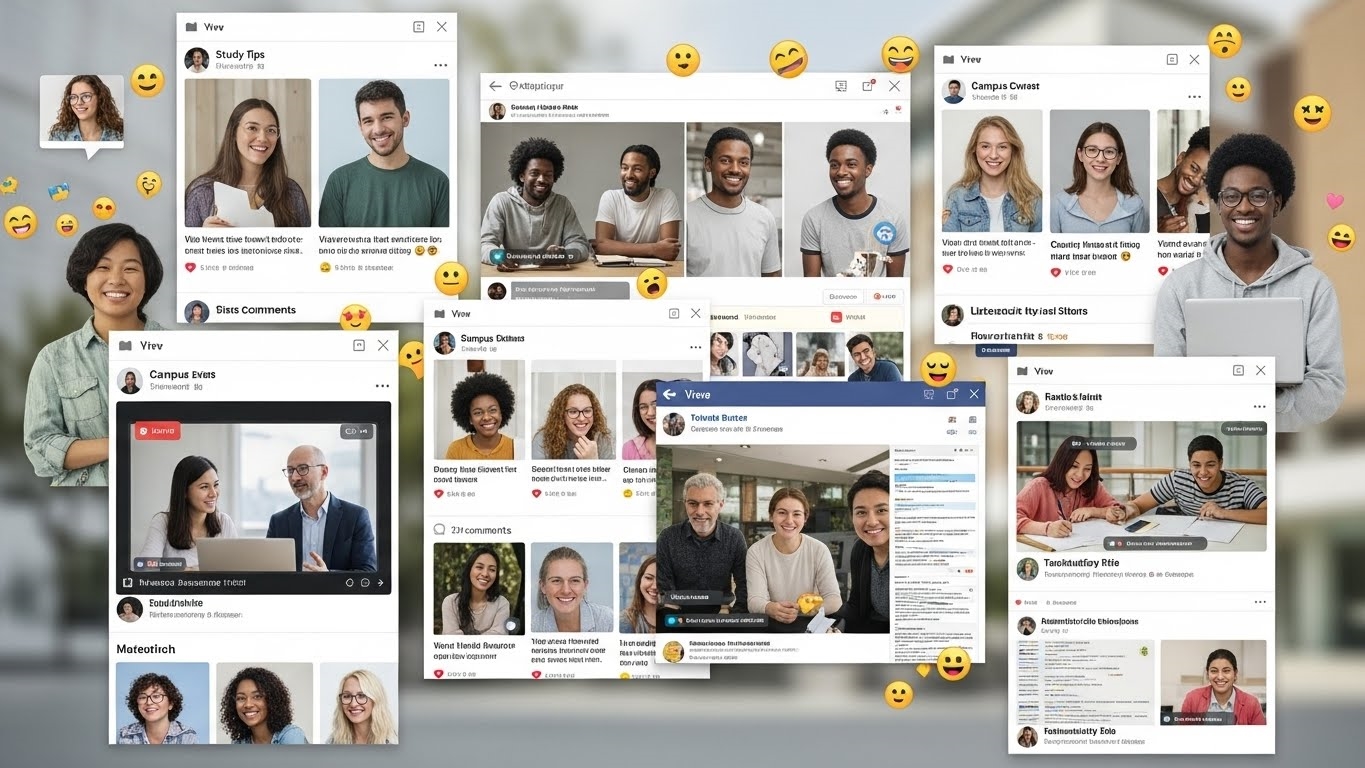
The raw, unfiltered narratives from students, faculty, and staff are an authenticity goldmine. User-Generated Content (UGC) offers an unparalleled window into campus life, academic rigor, and the vibrant student experience. These organic testimonials, shared by the community itself, possess a credibility and resonance that polished marketing materials simply cannot replicate, drawing prospective students into a genuine dialogue.

Cultivating New Learning and Communication Avenues
Social media isn’t just for external relations; it’s a fertile ground for pedagogical innovation. From collaborative learning groups to direct Q&A sessions with leading experts, these platforms foster dynamic educational environments. They break down traditional communication barriers, creating accessible forums for academic discourse, mentorship, and real-time knowledge exchange that enrich the entire academic ecosystem.
Mastering Social Engagement for Higher Ed Success
Moving beyond mere presence, institutions of higher learning in 2026 are discovering that true social media efficacy hinges on a suite of meticulously crafted strategies. It’s no longer enough to simply post; the imperative is to engage, to listen, and to respond with purpose. This strategic pivot transforms social channels from broadcast outlets into dynamic hubs for community building, reputation management, and talent acquisition. The foundational role of social media as a standard communication tool for post-secondary institutions, promoting institutional values, connecting with alumni, leveraging user-generated content, and developing new learning opportunities, is undeniable. The real challenge, and the real opportunity, lies in executing these strategies with precision and operational excellence.

Attracting Talent and Scholars
Social media stands as a primary conduit for attracting both prospective students and top-tier staff. For students, this means showcasing the vibrant campus culture, academic rigor, and post-graduation success stories through authentic narratives. Think Instagram Reels featuring student-led research projects, TikTok challenges highlighting campus traditions, or interactive Q&A sessions on YouTube Live with admissions counselors. For staff, particularly faculty and researchers, LinkedIn becomes invaluable. Highlight groundbreaking research, state-of-the-art facilities, and the collaborative environment. A university’s social presence should paint a compelling picture of opportunity and belonging, not just a list of achievements.
Listening to the Campus Pulse
Active social listening transcends simple monitoring; it’s about understanding the collective consciousness of your campus community and beyond. Deploy sophisticated tools like Brandwatch or Sprout Social to track mentions, analyze sentiment, and identify emerging trends or recurring concerns. Is there a consistent buzz about a new campus initiative? Are students expressing frustration about a particular service? These insights are gold. They inform content strategy, allow for proactive problem-solving, and demonstrate that the institution values feedback. For instance, discovering a pattern of questions about financial aid deadlines through social listening can prompt a targeted campaign clarifying those dates.

Blueprint for Digital Conduct
Establishing clear social media guidelines and policies is non-negotiable. This framework ensures brand consistency, mitigates legal risks, and empowers everyone from official communicators to individual faculty members. Policies should cover acceptable content, tone of voice, approval workflows, and crisis response protocols. Regular training sessions are crucial, not just for marketing teams, but for departments, student organizations, and even individual faculty members who represent the institution online. A well-defined policy protects the institution while fostering a responsible, unified digital presence.
Real-Time Information, Crisis Control
In moments of urgency, social media becomes the fastest, most direct line to your community. Sharing real-time updates and managing crisis communications via social media demands speed, accuracy, and a pre-planned strategy. Designate official channels (e.g., X for immediate alerts, Facebook for detailed updates), prepare templated messages for common scenarios (weather closures, safety advisories), and ensure a clear chain of command for approvals. The swift, transparent handling of a campus incident, for example, can significantly bolster trust, while delays or inconsistent messaging can erode it.
Fostering Campus Community
Engaging students, both on and off-campus, through social media initiatives builds a stronger, more connected community. This goes beyond event promotion. Consider student takeovers of official accounts, user-generated content campaigns that celebrate student achievements, or dedicated groups for specific academic programs or interest clubs. Interactive polls, Q&A sessions with student leaders, and virtual meet-and-greets can foster a sense of belonging, especially for remote learners or prospective students.
Live Glimpses of Campus Life
Utilizing livestreaming to showcase campus life offers an unparalleled level of authenticity. Virtual open days, live Q&A sessions with faculty deans, behind-the-scenes tours of research labs, or even broadcasting major sporting events or commencement ceremonies. Platforms like YouTube Live, Instagram Live, and Facebook Live provide interactive features, allowing viewers to ask questions in real-time, creating a dynamic, immersive experience that static content simply cannot replicate.
Tailoring Content by Platform
A common pitfall is treating all social platforms as interchangeable. Adopting a platform-specific approach for diverse audiences in higher education is critical. Each platform caters to different demographics and content consumption habits.
| Platform | Primary Audience | Content Focus | Engagement Style |
|---|---|---|---|
| Faculty, Staff, Alumni, Industry | Research, institutional achievements, career ops | Professional networking, thought leadership | |
| Prospective Students, Current Students | Visual storytelling, campus life, student success | Authentic, aspirational, community building | |
| TikTok | Gen Z Prospective Students | Short-form video, trends, campus humor | Entertaining, relatable, quick consumption |
| X | Media, Public, Quick Updates | News, real-time alerts, public discourse | Concise, immediate, direct interaction |
| Parents, Alumni, Local Community | Events, detailed news, community groups | Informative, community-focused, discussion |
This tailored approach ensures that content resonates with the intended audience, maximizing reach and impact across the entire social ecosystem.
Driving Impact: Social Media Excellence in Academia
For higher education institutions, social media transcends mere communication; it’s a strategic imperative, a dynamic conduit for connection and growth. Yet, the true power of these platforms is unlocked not by sporadic posting, but through operational rigor and a dedicated team. This demands a systematic approach, transforming ad-hoc efforts into a finely tuned engine for institutional advancement.
Crafting a Unified Strategy
A robust social media presence begins with a comprehensive strategy, meticulously aligned with overarching institutional goals. This isn’t about chasing trends; it’s about precision. Are we aiming to boost undergraduate applications by 15% for the fall 2027 intake? Then our social content on platforms like Instagram and TikTok must directly address prospective students’ concerns, showcase campus life, and highlight unique academic programs. Is the objective to increase research grant applications? LinkedIn and X (formerly Twitter) become critical channels for disseminating faculty breakthroughs and fostering academic collaborations. Each platform, each content piece, must serve a defined purpose, contributing to a larger, measurable objective. Without this strategic blueprint, efforts risk becoming fragmented and ineffective.
Streamlining Operations
The sheer volume of content and interactions across multiple platforms necessitates streamlined operations. Manual processes are simply unsustainable in 2026. Institutions must leverage sophisticated social media management suites—think Sprout Social, Hootsuite, or Buffer—to centralize content scheduling, approval workflows, and unified inbox management. This ensures brand voice consistency, reduces the risk of errors, and allows for rapid response to inquiries or emerging conversations. A well-defined content calendar, complete with assigned responsibilities and editorial guidelines, acts as the central nervous system, orchestrating a seamless flow of information and engagement.
Measuring What Matters
Beyond vanity metrics, true operational excellence demands rigorous performance analysis. It’s not enough to count likes; we must delve into engagement rates, reach, sentiment, and, crucially, conversion metrics. Are those Instagram Story swipe-ups leading to application page visits? Is the LinkedIn post about a new research initiative generating qualified leads for collaboration?
| Metric Category | Vanity Metrics (Less Impactful) | Impact Metrics (Actionable) |
|---|---|---|
| Engagement | Likes, Shares | Engagement Rate (per post/follower), Comment Sentiment |
| Reach/Awareness | Follower Count | Unique Reach, Impressions, Brand Mentions |
| Conversion | Website Clicks | Click-Through Rate (CTR), Lead Generation, Application Starts |
| Audience | Demographics | Audience Growth Rate, Audience Sentiment, Key Influencers |
Regular reporting cycles, perhaps monthly or quarterly, allow teams to identify successful content formats, optimal posting times, and areas for improvement. A/B testing different calls-to-action or visual styles provides invaluable data for continuous refinement.
Fostering Vibrant Communities
Social media’s greatest strength lies in its capacity to build and empower communities. This moves beyond broadcasting institutional news to actively facilitating dialogue and connection. Encourage user-generated content (UGC) through branded hashtags or photo contests, transforming students and alumni into authentic storytellers. Host live Q&A sessions with faculty, administrators, or student leaders. Create dedicated groups or forums where specific cohorts—prospective students, current students, alumni, faculty—can connect, share experiences, and feel a deeper sense of belonging. Responding thoughtfully and promptly to comments and messages is paramount; it signals that the institution is listening and values its community members.
Investing in Dedicated Talent
The ambition to achieve social media excellence cannot rest on the shoulders of a single, overstretched individual. Sustained success requires a dedicated, specialized team. This means investing in roles such as social media strategists, content creators (with expertise in video, graphic design, and copywriting), community managers, and data analysts. These professionals bring distinct skill sets, enabling the institution to produce high-quality, platform-optimized content, manage complex campaigns, swiftly navigate crisis communications, and derive actionable insights from performance data. A well-resourced team ensures that social media isn’t just an afterthought, but a core pillar of the institution’s communication and engagement strategy, delivering tangible returns on investment.
FAQ
What are key data privacy considerations?
Institutions must adhere to GDPR, CCPA, similar regulations. Anonymize student data, obtain consent for images, protect personal information.
Which advanced platforms aid content scheduling?
Unified platforms like Hootsuite, Sprout Social, Buffer centralize scheduling, analytics, team collaboration. They manage multiple accounts.
How do institutions combat online misinformation?
Proactive fact-checking, clear communication, rapid debunking, collaborating with platform integrity teams. Educate the community.
How to make social content accessible?
Use alt text for images, provide captions for videos, ensure sufficient color contrast, utilize clear language. Follow WCAG standards.