pryanicom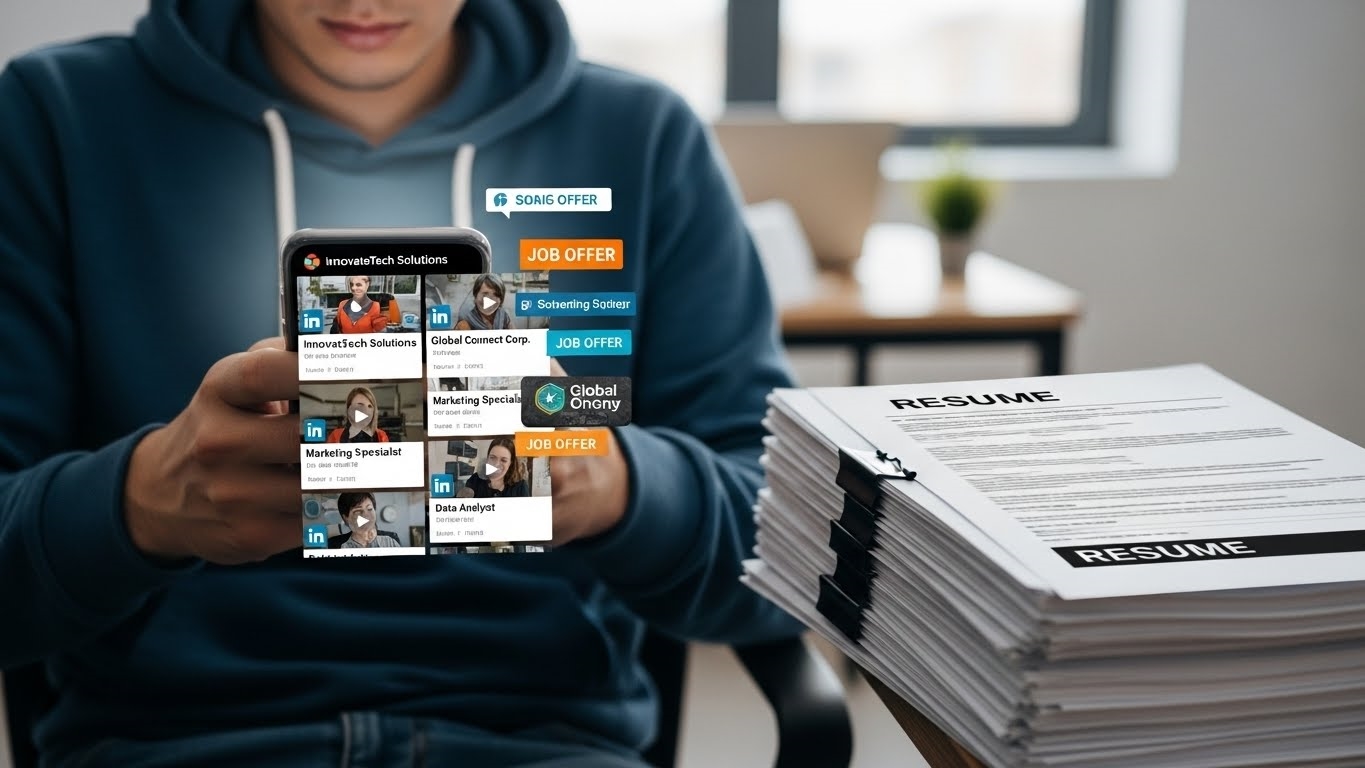
Imagine a world where your ideal candidate isn’t just scanning job boards, but actively engaging with content, building networks, and discovering opportunities right within their daily digital flow. That world isn’t a futuristic fantasy; it’s the present reality of talent acquisition in 2026. Social recruiting isn’t merely an option anymore; it’s the strategic cornerstone for connecting with the best minds.
Defining Social Recruiting’s Core
At its heart, social recruiting transcends simple job postings. It’s the dynamic process of leveraging social media platforms to identify, attract, engage, and nurture relationships with potential candidates. Its core purpose? To build a robust talent pipeline by proactively showcasing your organization’s culture, values, and opportunities where candidates already spend their time, transforming passive observers into active applicants.

The Unignorable Case for Social Engagement
The compelling argument for integrating social recruiting into your strategy is multifaceted. It offers unparalleled access to qualified candidates, often those not actively seeking new roles but open to the right opportunity. Simultaneously, it’s a powerful engine for cultivating an authentic employer brand. By consistently sharing insights, employee stories, and company achievements, you’re not just filling vacancies; you’re building a reputation as a desirable workplace, attracting talent organically.
Candidate Behavior: The Social Shift
Consider this: for a staggering 63% of active job hunters, social media platforms are the primary conduit for discovering and applying to new roles. This isn’t just casual browsing; it’s a fundamental shift in job search behavior. Candidates are vetting companies, researching cultures, and even applying directly through platforms they trust and use daily. Ignoring this channel means missing out on a vast, engaged pool of potential hires.

Beyond the Job Board: Building a Dynamic Social Recruiting Strategy
Crafting a robust social recruiting strategy isn’t merely about posting job openings; it’s about architecting a comprehensive talent acquisition ecosystem. It demands a nuanced understanding of various platforms, a commitment to authentic brand representation, and a proactive approach to engaging potential hires. This isn’t a passive exercise; it’s an active, ongoing endeavor that shapes your future workforce.
At its core, social recruiting is a powerful mechanism for organizations to not only find qualified candidates but also to significantly enhance their employer reputation, understanding that social media platforms are primary channels where candidates conduct their job searches. The goal is to meet talent where they already spend their time, creating a seamless bridge from casual browsing to engaged applicant.

Engaging on key platforms
The first step involves strategically identifying and engaging on the platforms where your ideal candidates reside. Each channel offers unique advantages:
| Platform | Primary Use Case for Recruiting | Target Audience Example |
|---|---|---|
| Professional networking, direct outreach, job postings, thought leadership | Experienced professionals, industry specialists | |
| Glassdoor | Employer reviews, salary insights, company culture showcase | Candidates researching company reputation and benefits |
| Community building, targeted ads, local hiring, employee stories | Diverse demographics, local talent, entry-level roles | |
| Real-time updates, quick interactions, industry news, employer branding | Tech professionals, media, quick-response candidates | |
| Visual storytelling, culture showcase, “day in the life” content | Younger demographics, creative roles, brand-conscious | |
| TikTok | Short-form video, authentic culture, employer brand personality | Gen Z, creative roles, high engagement |
A multi-platform approach ensures broad reach, but deep engagement on a select few, tailored to your industry and desired talent pool, often yields superior results.

Cultivating an attractive employer brand
Your employer brand is the sum of perceptions about what it’s like to work at your organization. On social channels, this means consistently showcasing your company culture, values, and mission. Share employee success stories, highlight team events, and provide glimpses into your daily operations. Authenticity is paramount; candidates can discern genuine enthusiasm from corporate platitudes. A strong employer brand not only attracts top talent but also fosters loyalty among current employees.
Leveraging employee advocacy
Empower your existing team to become brand ambassadors. Employee advocacy programs, where staff share positive experiences and job openings on their personal networks, are incredibly effective. A referral from a trusted source carries immense weight. Implement structured referral programs with clear incentives and make it easy for employees to share pre-approved content. Their voices are often more credible and relatable than official corporate communications.

Targeting passive job seekers
Many of the best candidates aren’t actively looking for a new role but are open to the right opportunity. Proactively targeting these passive job seekers requires a different approach. Utilize advanced targeting features on platforms like LinkedIn and Facebook to reach individuals based on their skills, experience, interests, and demographics. Craft personalized messages that highlight specific career growth opportunities or unique aspects of your company culture that might resonate with their aspirations.
Optimizing social profiles
Your company’s social profiles are often the first impression a candidate gets. Ensure they are complete, up-to-date, and visually appealing. Use high-quality images and videos, incorporate relevant keywords in your descriptions, and maintain consistent branding across all platforms. Every profile should clearly articulate your value proposition as an employer and include a prominent, clear call to action for interested candidates.

Streamlining the application process
Finally, all the effort in attracting candidates can be undone by a cumbersome application process. Ensure your application journey is mobile-friendly, requires minimal steps, and provides clear instructions. Integrate your social recruiting efforts seamlessly with your Applicant Tracking System (ATS) to avoid duplicate data entry. Transparency about the next steps in the hiring process also significantly improves the candidate experience, reducing drop-off rates and reinforcing your commitment to efficiency.
Supercharging Social Recruiting: Tools and Content That Convert
To truly excel in social recruiting, organizations must wield the right instruments and master the art of compelling storytelling. It’s not enough to simply exist on platforms; impact stems from strategic deployment of specialized tools and the creation of content that resonates deeply with prospective talent.

Essential Platforms and Tools
The bedrock of any robust social recruiting effort lies in its technological infrastructure. These aren’t just social media sites; they are sophisticated ecosystems designed to connect talent with opportunity.
| Tool/Platform | Primary Function | Key Benefit for Recruiting |
|---|---|---|
| LinkedIn Recruiter | Advanced talent sourcing and engagement | Unparalleled access to professional profiles, InMail, analytics |
| Glassdoor Profile | Employer branding and transparency | Manages company reputation, showcases culture, salary insights |
| Hootsuite Streams | Social media management and monitoring | Centralized scheduling, engagement tracking, brand listening |
| Applicant Tracking Systems (ATS) | Candidate management, workflow automation | Integrates with social platforms, streamlines application flow |
LinkedIn Recruiter remains the undisputed champion for professional sourcing. Its granular search filters allow for pinpoint accuracy in identifying candidates based on skills, experience, and even cultural fit. The ability to send personalized InMail messages directly to passive candidates, coupled with robust talent insights, makes it indispensable. Glassdoor, on the other hand, serves as a critical transparency hub. A well-managed company profile, featuring authentic employee reviews and clear benefits information, can significantly influence a candidate’s perception. Tools like Hootsuite Streams become vital for orchestrating a multi-platform strategy, enabling teams to schedule posts, monitor brand mentions, and track engagement across various channels from a single dashboard. Seamless integration with an Applicant Tracking System (ATS) ensures that the journey from social engagement to application submission is frictionless.

Inspiring Content Strategies
Beyond the tools, the content itself must captivate. Generic job postings yield generic results. Instead, focus on strategies that pull candidates into your narrative.
- Dynamic Visuals: Short-form video, whether it’s a quick TikTok-style clip or an Instagram Reel, offers an immediate, engaging glimpse into your company’s personality. GIFs can inject humor and relatability into routine updates.
- Story Highlights: Leverage Instagram Story highlights to create evergreen content collections. Think “Meet the Team” series, “Our Values in Action,” or “Career Growth Paths.” These provide quick, digestible answers to common candidate questions.
- Authentic Voices: Employee interviews, unscripted and genuine, are gold. Hearing directly from current team members about their roles, challenges, and triumphs builds trust and paints a realistic picture of the work environment.
- “Day in the Life” Narratives: This content format demystifies roles. A visual journey through a typical workday, showcasing responsibilities, team interactions, and even lunch breaks, helps candidates envision themselves thriving within your organization.
- Behind-the-Scenes Access: Offer glimpses into company events, project milestones, or even just the collaborative energy of your workspace. This transparency fosters a sense of connection.
Crafting Compelling Visuals and Narratives
Every piece of content is an opportunity to tell your story. Visuals and narratives must be meticulously crafted to leave a lasting impression.

- Bold, Branded Graphics: Move beyond stock photos. Invest in custom graphics that reflect your brand identity, using vibrant colors and clear typography. Infographics can distill complex benefits or career progression paths into easily digestible visuals.
- Transparent Benefits: Be explicit about what you offer. Detail compensation ranges, health benefits, paid time off, and professional development opportunities. Ambiguity breeds distrust; clarity attracts confidence.
- Showcasing a Welcoming Environment: Authenticity is paramount. Feature diverse teams collaborating, inclusive events, and spaces that foster creativity and well-being. Avoid overly staged imagery; candidates seek genuine connection.
- Impactful Storytelling: Weave narratives around your company’s mission, the tangible impact of your work, and the success stories of your employees. People connect with purpose and progress.
- Clear Calls to Action: Every piece of content should guide the candidate. Whether it’s “Apply Now,” “Learn More About Our Culture,” or “Connect with Our Team,” ensure the next step is unambiguous and easy to take.
By integrating powerful tools with a content strategy rooted in authenticity and visual appeal, organizations can transform their social presence into a dynamic talent magnet.
FAQ
What legal aspects affect social recruiting?
Data privacy regulations (GDPR, CCPA) govern candidate information. Avoid discriminatory practices.
How measure social recruiting strategy success?
Track application conversion rates, source of hire, candidate quality. Monitor engagement.
How manage negative social media feedback?
Respond promptly, professionally. Address concerns transparently. Use feedback for improvement.
How integrate social recruiting with ATS?
Use direct links, API integrations. Ensure seamless candidate data flow.