pryanicom
What if the future of your brand’s relevance hinges on a generation that redefines engagement? As of 2026, Generation Z stands as an economic powerhouse, not merely a demographic to watch, but a current driver of market trends and purchasing decisions. This cohort, now firmly established in their careers and wielding significant disposable income, influences trillions in spending annually, both directly and through their impact on household choices. Ignoring their distinct approach to commerce is no longer an option; it’s a strategic misstep that no forward-thinking enterprise can afford.
The era of one-way brand messaging and interruption-based advertising has definitively passed. For Gen Z, connection isn’t a byproduct of a transaction; it’s the prerequisite. They seek authentic dialogue, shared values, and a genuine understanding from the brands they choose to support. This isn’t about selling a product; it’s about fostering a relationship built on transparency and mutual respect. Brands must transition from simply broadcasting their message to actively co-creating experiences and narratives that resonate deeply with this discerning audience. It’s a fundamental shift from acquisition to affinity, demanding a complete recalibration of how we approach consumer engagement.
Decoding Gen Z: Values, Digital Acumen, and Engagement Strategies
Understanding Generation Z isn’t merely about demographics; it’s about grasping a fundamental shift in consumer psychology and interaction. This cohort, largely born between 1997 and 2012, represents a formidable economic force, and their influence on brand perception and purchasing patterns is undeniable. For any brand aiming for sustained relevance, moving beyond outdated promotional tactics and truly building meaningful connections with this generation is paramount.
Gen Z’s Core Identity
At their heart, Gen Z champions authenticity and self-expression. They’ve grown up in a world saturated with information, making them adept at discerning genuine narratives from manufactured ones.
Individual Expression and Personalization
This generation views consumption as an extension of their identity. They gravitate towards brands that enable individual expression, offering customizable products, services, and experiences. Think beyond simple name personalization; they expect platforms and products to adapt to their unique preferences, reflecting their distinct tastes and values. A brand that understands and caters to this desire for bespoke interaction stands to gain significant loyalty.
Privacy and Trust in Interactions
Having witnessed numerous data breaches and privacy concerns, Gen Z approaches brand interactions with a healthy dose of skepticism. They demand transparency regarding data usage and expect robust privacy protections. Brands that prioritize ethical data handling and communicate their policies clearly build a foundation of trust, which is non-negotiable for this discerning group.
Ethical Values and Societal Contributions
Gen Z is acutely aware of global challenges and expects brands to be part of the solution, not the problem. They actively seek out companies that align with their ethical values, whether it’s environmental sustainability, fair labor practices, or social justice initiatives. A brand’s purpose beyond profit significantly influences their purchasing decisions.
Embracing Diversity and Equality
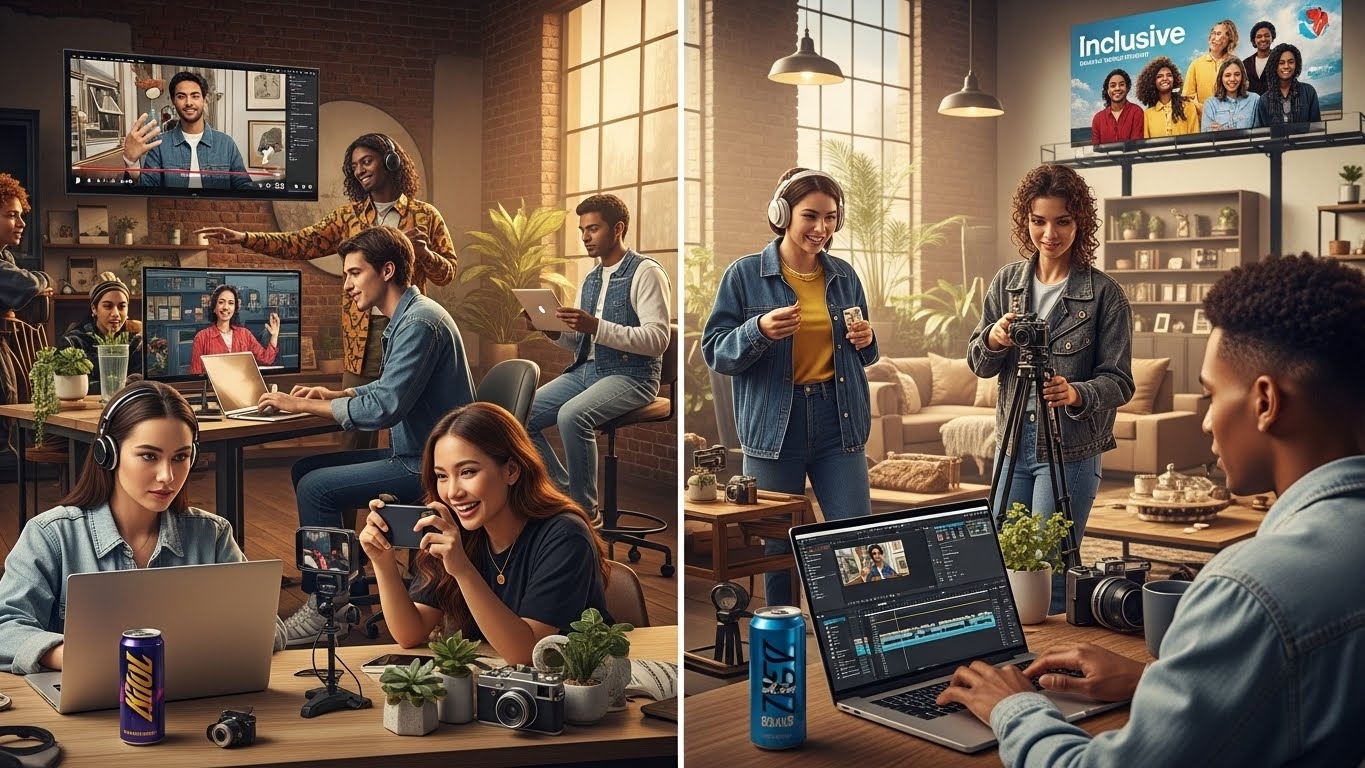
Inclusivity isn’t a buzzword for Gen Z; it’s a lived reality and an expectation. They celebrate diversity in all its forms and expect brands to reflect this in their messaging, representation, and internal practices. Authentic representation across all marketing touchpoints is crucial, signaling a genuine commitment to equality.
Digital Acumen and Information Consumption
This is the first truly digital-native generation, and their information consumption habits reflect this deep immersion.
Informed Decision-Making and Transparency
Gen Z are expert researchers. Before making a purchase, they will scour multiple sources, compare options, and seek out unbiased information. They demand complete transparency from brands, from product ingredients to supply chain practices. Any perceived lack of honesty or obfuscation is a significant deterrent.
Trust in Peer Networks
While they’re skeptical of traditional advertising, Gen Z places immense trust in their peer networks and authentic reviews. User-generated content (UGC), recommendations from friends, and reviews from micro-influencers often carry more weight than polished brand campaigns. This highlights the power of community and authentic advocacy.
Strategic Digital Engagement
Engaging Gen Z effectively requires a nuanced approach that respects their digital fluency and preferences.
Mobile-First and Second-Screen
Their primary interface with the world is often a smartphone. Content must be optimized for mobile consumption, concise, and visually compelling. Furthermore, second-screen behavior—using a phone while watching TV or engaging with another device—is standard, creating opportunities for integrated, multi-channel experiences.
Social Media Shopping Journey
Social platforms are no longer just for connection; they are integral to the shopping journey. From product discovery on Instagram Shops to direct purchases within TikTok, Gen Z seamlessly navigates social commerce. Brands must integrate shopping functionalities directly into their social presence, streamlining the path from discovery to conversion.
Openness to Branded Content
Despite their skepticism, Gen Z is remarkably open to branded content, provided it’s authentic, entertaining, and adds value. This is particularly evident on platforms like TikTok, where creative, short-form video content thrives. Brands that master the art of native advertising, blending seamlessly into the platform’s organic flow, can achieve significant engagement.
To illustrate the shift in focus required, consider these engagement pillars:
| Engagement Pillar | Traditional Approach | Gen Z-Centric Approach |
|---|---|---|
| Content Focus | Product features, brand messaging | Value alignment, authentic stories |
| Trust Source | Brand authority, celebrity endorsements | Peer reviews, micro-influencers |
| Interaction Style | One-way broadcast | Two-way dialogue, co-creation |
| Platform Priority | Website, email | Mobile-first, social commerce |
| Privacy Stance | Data collection for targeting | Data transparency, user control |
Brands that embrace these principles—prioritizing authenticity, transparency, and genuine connection—will not only capture Gen Z’s attention but also cultivate enduring loyalty.
The Enduring Power of Gen Z Connections
Engaging Generation Z isn’t a fleeting trend; it’s a fundamental recalibration of how brands build enduring relationships. Success hinges on a holistic, deeply integrated approach that transcends transactional exchanges, focusing instead on cultivating genuine connections. This generation, coming of age in 2026, demands more than just products or services; they seek alignment, authenticity, and a shared purpose.
Integrated Engagement Pillars
The blueprint for resonating with Generation Z synthesizes their core values with their innate digital fluency. It’s a symphony of ethical transparency, personalized experiences, and seamless digital integration. Brands that thrive understand that individual expression isn’t a niche preference but a universal expectation. They prioritize privacy not as a compliance checkbox, but as a cornerstone of trust. Moreover, aligning with societal contributions and championing diversity aren’t optional add-ons; they are non-negotiable prerequisites for earning respect.
This integrated strategy manifests across every touchpoint. From mobile-first content designed for second-screen consumption to interactive social commerce experiences that feel organic rather than intrusive, every element must speak to their informed decision-making and reliance on peer networks. The openness to branded content, particularly on platforms like TikTok, isn’t a blank check; it’s an invitation for brands to participate authentically, adding value rather than simply advertising.
Consider the interplay: a brand that ethically sources its materials (values alignment) and transparently shares its supply chain (informed decision-making) then leverages a TikTok creator to tell that story in an engaging, unscripted way (digital fluency, peer trust). This isn’t a series of isolated tactics; it’s a cohesive narrative that builds credibility and fosters a sense of shared identity.
| Engagement Pillar | Brand Commitment | Resulting Relationship Trait |
|---|---|---|
| Values Alignment | Ethical practice, transparency | Trust, Respect |
| Personalized Journey | Tailored content, co-creation | Relevance, Loyalty |
| Digital Integration | Seamless mobile, social commerce | Convenience, Community |
Cultivating Future Brand Champions
The long-term impact of forging these authentic connections extends far beyond immediate sales figures. By investing in genuine engagement now, brands are cultivating a powerful cohort of future brand champions. This generation, with its burgeoning economic influence, represents decades of potential loyalty and advocacy. When a brand consistently demonstrates its commitment to their values, respects their privacy, and engages them on their terms, it earns a level of devotion that traditional marketing struggles to achieve.
These aren’t just customers; they are collaborators. Their feedback, their co-creation, and their organic advocacy become invaluable assets, shaping product development, service innovation, and brand narrative for years to come. A brand that truly connects with Generation Z today is not merely securing market share; it’s building a resilient, future-proof identity. This deep engagement fosters a symbiotic relationship where brands grow with their audience, ensuring sustained relevance and an unparalleled competitive advantage in the dynamic market of 2026 and beyond. It’s about building a legacy, one authentic interaction at a time.
FAQ
How does gaming influence Gen Z engagement?
Gaming platforms like Twitch or Roblox are virtual social spaces. Brands engage through in-game activations, virtual product placement, or esports sponsorships. This fosters community participation.
What role does UGC play beyond reviews?
UGC extends to co-creation initiatives, fan art, or community challenges. It builds brand advocacy, transforming consumers into active contributors. This deepens connection.
What common mistakes alienate Gen Z?
Brands often fail by being inauthentic, overly promotional, or ignoring feedback. Lack of genuine engagement or misrepresenting values also alienates this group.
How does AI shape Gen Z brand interaction?
AI personalizes recommendations, enhances customer service via chatbots, or creates interactive experiences. It can also generate content, but authenticity remains crucial.