pryanicom

What if the seemingly innocuous symbol you just deployed in your latest campaign carried a vastly different message than intended? In 2026, these tiny pictograms are no longer mere embellishments; they are a fundamental layer of human expression, transforming how brands connect with audiences. Understanding their true resonance isn’t just good practice—it’s critical for effective communication.
These visual shorthand tools have transcended simple text, injecting emotion, nuance, and personality into otherwise flat messages. They represent a profound shift in how we convey sentiment, moving communication beyond words alone. For marketers, this isn’t just a stylistic choice; it’s a proven engagement accelerator. The data speaks volumes:
| Platform | Engagement Boost | Source |
|---|---|---|
| 25% | ||
| 57% more Likes | ||
| Ads | 241% click increase | AdEspresso |
This isn’t about simply dropping a smiley face into your copy. The real challenge, and opportunity, lies in navigating the chasm between an emoji’s literal depiction and its evolving secondary meaning. Consider the peach emoji : while it depicts a fruit, a mere 7% of its usage actually refers to the stone fruit itself. The overwhelming majority leverage its suggestive, often risqué, connotation. Misjudging this subtle but significant shift can lead to anything from a mild miscommunication to outright brand embarrassment, eroding trust and undermining your message. Ignoring this dynamic is akin to speaking a language without understanding its idioms—you might be technically correct, but contextually, you’re lost.
Decoding the Emoji Lexicon: Beyond Surface Meanings
Emoji have transcended mere digital adornment, evolving into a sophisticated, dynamic layer of communication. They are not just cute icons; they are powerful linguistic tools, capable of conveying nuance, emotion, and even entire narratives in a single tap. To truly master the art of digital engagement, one must move beyond their literal interpretations and delve into the rich, often surprising, tapestry of their contemporary usage.
Understanding these evolving meanings is crucial for anyone aiming to communicate effectively and avoid missteps in a world where a single icon can alter the entire perception of a message. The critical distinction between an emoji’s literal depiction and its prevalent, often culturally-driven, secondary meaning is paramount. This insight ensures messages resonate as intended, preventing miscommunication and leveraging the full engagement potential these tiny symbols offer.
Categories and Core Interpretations
Emoji broadly categorize into several distinct groups, each serving a unique communicative purpose. Facial expressions are perhaps the most intuitive, ranging from the universally understood (smiling face) to the more complex (loudly crying face, often used for overwhelming joy or sadness). Heart emoji ❤️ offer a spectrum of affection, solidarity, or even specific allegiances, with colors often carrying distinct connotations. Hand gestures can express anything from gratitude and approval to celebration. Finally, symbolic representations encompass objects, animals, and concepts that often carry metaphorical weight far beyond their visual form.
Consider the ubiquitous (thumbs up). Its primary interpretation is clear: agreement, approval, or “okay.” Yet, context can shift this. In some professional settings, it might be perceived as dismissive or overly casual. The (pleading face) initially conveyed a soft, begging expression, but it’s frequently deployed to express cuteness, adoration, or even a playful, slightly overwhelmed sentiment.
Navigating Nuance and Tricky Meanings
The true challenge—and fascination—lies in the “tricky” emoji, those whose meanings are shaped by cultural currents, generational shifts, or platform-specific trends. These are the symbols that demand a deeper understanding to avoid misinterpretation.
- Cultural Shifts: The (folded hands) emoji, while often interpreted as “prayer” or “thank you” in Western cultures, is widely understood as a “high-five” or “please” in Japan, its country of origin. This highlights the importance of audience awareness.
- Generational Usage: Younger demographics, particularly Gen Z, have redefined several emoji. The (skull) emoji, once a stark symbol of death, is now frequently used to express extreme laughter, shock, or embarrassment – as in, “I’m dead” from laughing so hard. Similarly, the (clown face) has become a potent, often sarcastic, symbol for calling someone foolish or ridiculous.
- Platform-Specific Interpretations: While not altering the emoji’s core meaning, platforms like TikTok often amplify or create trends around specific emoji, embedding them within a particular meme or challenge. This can lead to rapid, transient shifts in perceived meaning within those communities.
Here’s a quick look at how some emoji meanings diverge:
| Emoji | Primary Interpretation | Common Secondary/Nuanced Use | Generational/Cultural Context |
|---|---|---|---|
| Crying (sadness) | Crying with laughter, overwhelming emotion | Gen Z: Extreme joy/humor | |
| Death, danger | “I’m dead” (from laughter/shock) | Gen Z: Humor, disbelief | |
| Prayer, gratitude | High-five, please (Japan); Sarcastic thanks | Cultural variation | |
| Clown, foolishness | Calling someone ridiculous, foolish | Gen Z: Sarcasm, insult |
Historical Context: When Culture Rewrites the Code
Sometimes, real-world events dramatically influence emoji usage, creating a historical timestamp for their reinterpretation. A prime example occurred in 2016 following the release of Beyoncé’s groundbreaking album, Lemonade. Suddenly, the (bee) emoji, representing her fanbase (the “Beyhive”), and the (lemon) emoji, directly referencing the album’s title, saw a massive surge in use. These symbols became shorthand for solidarity, empowerment, and a cultural moment, far exceeding their literal insect and fruit depictions. This phenomenon underscores how quickly and profoundly collective experiences can imbue simple icons with rich, shared meaning.
Understanding these layers—from the obvious to the deeply contextual—is not just about avoiding gaffes; it’s about mastering a critical facet of modern communication. It’s about speaking the language of your audience, truly.
Navigating Emoji Minefields
The seemingly innocuous emoji, a powerful tool for conveying nuance and emotion, harbors a surprising capacity for miscommunication, particularly within professional settings. What appears as a simple graphic can carry a potent, often unintended, secondary meaning. For marketers and communicators, understanding these hidden layers is not merely academic; it’s a critical component of maintaining brand integrity and fostering clear, effective dialogue.
Identifying Risky Emoji
Certain emoji have transcended their literal representations to acquire prevalent, often suggestive, secondary meanings. These are the digital landmines of professional communication. The (eggplant), (banana), and (peach) emoji, for instance, are rarely interpreted as mere produce in many contexts. Similarly, the (droplets) emoji, intended to signify sweat or water, frequently carries highly suggestive connotations. The (cherries) can also stray into ambiguous territory. This semantic drift means that even when your intent is purely innocent—perhaps discussing a healthy recipe—the recipient’s interpretation might veer sharply into the inappropriate.
Avoiding Professional Pitfalls
The simplest, most effective guideline for professional communications is to avoid emoji with known suggestive secondary meanings entirely. The risk of misinterpretation far outweighs any perceived benefit of using them.
“In professional exchanges, clarity trumps cleverness. When an emoji’s meaning is ambiguous, err on the side of exclusion.”
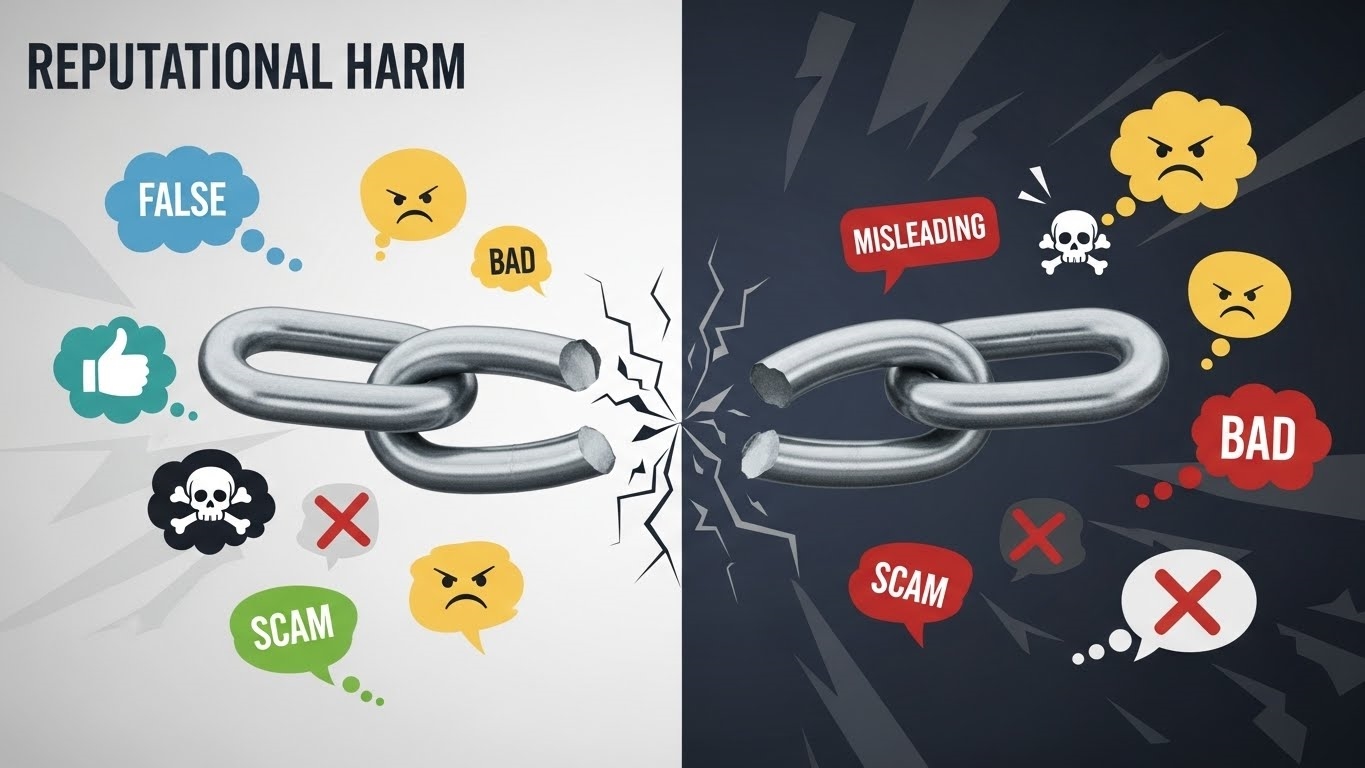
Consider the potential for reputational damage or awkwardness. A marketing campaign inadvertently using a problematic emoji can go viral for all the wrong reasons, eroding trust and undermining a carefully crafted message. Prioritize unambiguous language and universally understood visual cues.
Audience and Platform Influence
The appropriateness of emoji selection is profoundly shaped by both your audience and the communication platform. A casual internal Slack channel might tolerate a broader range of emoji than a formal email to a prospective client or a public-facing LinkedIn post.
| Factor | Low-Risk Context (e.g., Internal Team Chat) | High-Risk Context (e.g., Client Email, Public Post) |
|---|---|---|
| Audience | Familiar, shared understanding | Diverse, unknown interpretations |
| Platform | Informal, rapid exchange | Formal, lasting record |
| Goal | Build rapport, quick understanding | Convey professionalism, absolute clarity |
Understanding your audience’s generational demographics is also key. Gen Z, for example, often employs emoji with ironic or nuanced meanings that might be lost on older generations. A (skull) emoji, used by some younger cohorts to signify extreme humor or “I’m dead,” could be alarming or confusing to others.
Principles for Effective Integration
When integrating emoji, the goal is to enhance messages without introducing ambiguity. They should act as visual cues that reinforce, rather than replace, clear textual communication.
- Enhance, Don’t Replace: Emoji should add emotional tone or visual emphasis. They are not substitutes for well-articulated words.
- Context is Paramount: Always consider the message’s purpose, the recipient, and the platform. A (thumbs up) might be perfectly acceptable for acknowledging receipt of a document, but less so for conveying condolences.
- Less is More: Overuse can dilute impact, appear unprofessional, or even childish. A judiciously placed emoji carries more weight than a string of them.
- Opt for Universality: Stick to emoji with widely accepted, positive, and unambiguous meanings. Think ✅ (check mark), ✨ (sparkles), or (rocket) for progress.
- Stay Informed: Emoji meanings are dynamic. What’s innocent today might evolve tomorrow. Keep an eye on trends and cultural shifts.
By adhering to these principles, marketers can leverage the expressive power of emoji to connect with audiences, boost engagement, and inject personality, all while meticulously avoiding the pitfalls of misinterpretation. It’s about precision in communication, ensuring every pixel contributes to clarity, not confusion.
FAQ
Who creates new emoji?
The Unicode Consortium approves new emoji designs annually.
Can emoji be legal evidence?
Yes, courts consider emoji contextually in legal proceedings.
How do screen readers interpret emoji?
Screen readers announce emoji using their official Unicode descriptions.
Do emoji appear identical across devices?
No, platform vendors design their own visual interpretations.