pryanicom
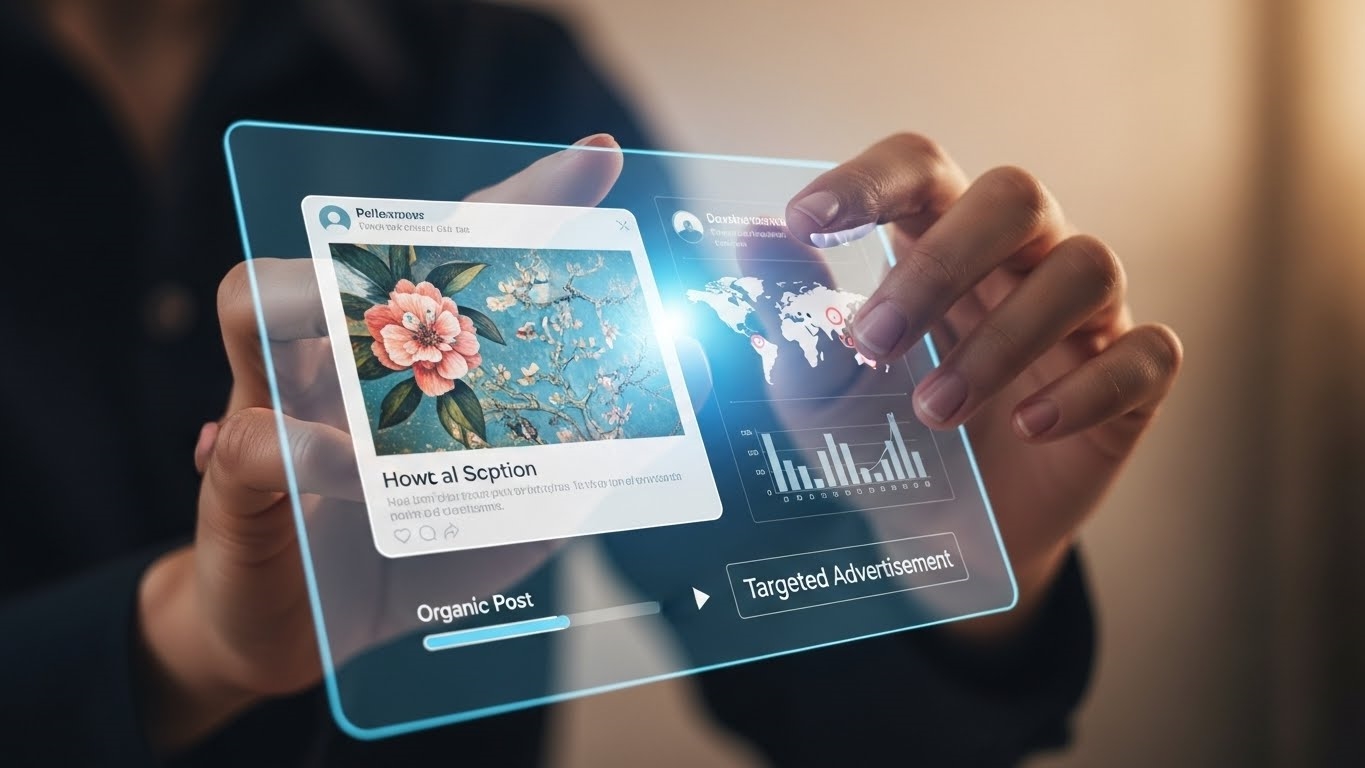
What if you could speak directly to your ideal customer, not just in their general vicinity, but right in their digital living room, their interests, their habits, their very intent? This isn’t a futuristic fantasy; it’s the operational reality of Facebook advertising in 2026. Far more than just sponsored posts, these are sophisticated, data-driven instruments designed to forge direct connections between businesses and their most valuable audiences. Their purpose? To propel brand awareness, ignite lead generation, drive sales, and foster deep engagement with unparalleled precision.
The Precision of Connection: Defining Facebook Ads
At its core, a Facebook ad is a paid message delivered through Meta’s vast ecosystem—Facebook, Instagram, Messenger, and the Audience Network—to a meticulously segmented audience. Imagine a master artisan, not just throwing clay at a wall, but sculpting with surgical tools, knowing exactly who will appreciate the final piece. That’s the power at play. These aren’t generic broadcasts; they are highly personalized interactions, engineered to resonate deeply with individual users based on their unique digital footprint.

Targeting Parameters: Your Digital Compass
The true magic, the “alchemy,” lies in the targeting. Facebook’s platform offers an almost dizzying array of parameters, allowing businesses to pinpoint their audience with granular accuracy.
- Demographics: Age, gender, location, language, education, relationship status.
- Interests: Pages liked, groups joined, topics engaged with—from “sustainable fashion” to “quantum computing.”
- Behaviors: Purchase history, device usage, travel patterns, even political affiliations.
- Custom Audiences: Upload existing customer lists to re-engage or exclude.
- Lookalike Audiences: Find new prospects who mirror your most valuable customers.
This isn’t just about reaching people; it’s about reaching the right people at the right moment, transforming casual scrolling into meaningful interaction.

The Dynamic Equation: Factors Influencing Ad Cost
Understanding the cost of Facebook ads is less about a fixed price tag and more about navigating a dynamic, real-time auction. Several critical factors converge to determine how much you pay:
- Audience Competition: The more advertisers vying for the same audience, the higher the bids.
- Ad Quality & Relevance: High-performing, engaging ads with strong relevance scores are rewarded with lower costs and better placement.
- Bid Strategy: Whether you opt for automatic bidding, a cost cap, or a bid cap significantly impacts your spend.
- Placement: Costs can vary across Facebook Feed, Instagram Stories, Messenger, or the Audience Network.
- Objective: Campaigns optimized for conversions (e.g., purchases) often have a higher cost per impression but deliver greater business value than those focused solely on reach.
It’s a sophisticated interplay, where strategic insight and creative excellence can dramatically reduce expenditure while amplifying impact.

Crafting Impactful Facebook Ad Experiences
Navigating the vast array of advertising options on Facebook requires a strategic eye and a deep understanding of what each format brings to the table. It’s not merely about putting content out there; it’s about selecting the precise vehicle that will drive your message home, resonate with your audience, and achieve your specific campaign objectives. From brand awareness to direct conversions, the platform offers a rich toolkit designed to meet diverse marketing needs. Understanding the nuances of each format is crucial for setting up and optimizing Facebook ads for impact, ensuring every dollar spent contributes directly to your campaign objectives. Let’s dissect these powerful ad types, exploring their strengths and ideal applications.
Core Visuals: Image and Video Ads
At the heart of Facebook’s advertising ecosystem lie image and video ads, the foundational elements for visual storytelling.

Image Ads are the bedrock, offering a clean, direct way to convey a message. They’re excellent for driving traffic, promoting products, or announcing events with a single, compelling visual.
- Specifications:
- Recommended Resolution: 1080 x 1080 pixels (1:1 aspect ratio) for optimal display across placements. Other ratios like 1.91:1 to 4:5 are supported.
- File Type: JPG or PNG.
- Text Limit: While there’s no hard limit, images with less than 20% text generally perform better.
- Primary Text: Up to 125 characters recommended before truncation.
- Headline: Up to 40 characters.
- Description: Up to 30 characters.
Video Ads elevate engagement, capturing attention with motion and sound. They are superb for demonstrating product features, telling brand stories, or creating an immersive experience.

- Specifications:
- Recommended Resolution: 1080 x 1080 pixels (1:1 aspect ratio) for feed, but vertical (9:16) for Stories and Reels.
- File Type: MP4, MOV, or GIF.
- Duration: From 1 second to 241 minutes, though shorter videos (under 15 seconds) often yield higher completion rates.
- File Size: Up to 4 GB.
- Primary Text, Headline, Description: Similar to image ads.
| Feature | Image Ads | Video Ads |
|---|---|---|
| Engagement | Static, direct | Dynamic, immersive, higher retention |
| Complexity | Simple to produce | Requires more production effort |
| Best For | Quick announcements, product showcases | Brand storytelling, product demos, tutorials |
| Cost-Effect. | Often lower CPM/CPC for basic reach | Potentially higher CPM/CPC, but higher ROI for engagement |
Dynamic Formats: Stories, Messenger, Carousel
Beyond static posts, Facebook offers dynamic formats that integrate seamlessly into user behavior.
Stories Ads capitalize on the ephemeral, full-screen experience users love. These vertical, immersive ads are perfect for driving immediate action with a swipe-up call-to-action. They feel native, not intrusive.

Messenger Ads open a direct line of communication. These can appear in the Messenger inbox or click-to-Messenger ads can initiate conversations from other placements, fostering personalized interactions and lead generation. Imagine a customer service bot pre-qualifying leads directly from an ad click – that’s the power here.
Carousel Ads are a marketer’s dream for showcasing multiple products, features, or aspects of a single offering. Each card in the carousel can have its own image/video, headline, description, and landing page, allowing for rich, multi-faceted narratives within a single ad unit. This format excels at telling a sequential story or presenting a diverse product line.

Immersive Experiences: Slideshow, Collection, Playable
For those seeking even deeper engagement, these formats push the boundaries of traditional advertising.
Slideshow Ads are a clever hybrid, transforming a series of still images into a lightweight video. They’re ideal for regions with slower internet speeds or for advertisers without video production capabilities, offering motion without the heavy data load.

Collection Ads are a mobile-first marvel, designed for immediate product discovery. When a user taps on a Collection ad, they’re taken to a full-screen, fast-loading visual storefront (an Instant Experience) within Facebook, allowing them to browse multiple products without leaving the app. It’s a seamless journey from discovery to potential purchase.
Playable Ads are the pinnacle of interactive advertising, particularly for app developers. These ads offer a mini-game or interactive demo of an app directly within the ad unit, allowing users to “try before they buy” or download. This significantly boosts conversion rates by giving users a tangible taste of the experience.

Enhanced Mobile Engagement: Instant Experience
Finally, Instant Experience (formerly Canvas) is not an ad format itself, but a full-screen, post-click landing page that loads instantly within the Facebook app. It’s designed to provide a rich, immersive mobile experience without the friction of external website loading times. Any ad format – image, video, carousel, or collection – can link to an Instant Experience, transforming a simple click into a captivating, interactive journey. Think of it as a micro-website, complete with videos, carousels, text blocks, and product grids, all optimized for mobile and designed to keep users engaged within the platform’s ecosystem. This dramatically reduces bounce rates and enhances the user journey, leading to higher conversion potential.
Crafting High-Impact Facebook Ad Campaigns
Unlocking the full potential of Facebook advertising demands more than just a budget; it requires a strategic approach to setup, meticulous optimization, and continuous performance analysis. In 2026, with the advertising landscape more competitive than ever, mastering these elements is paramount for any brand aiming for significant digital reach and measurable returns.

Navigating Meta Ads Manager
The journey begins within Meta Ads Manager, the central hub for all your Facebook and Instagram advertising efforts. Think of it as your mission control. The initial step involves selecting a campaign objective, which Meta categorizes into Awareness, Consideration, and Conversion. This choice dictates the ad formats and bidding strategies available, so align it precisely with your business goal—whether it’s brand visibility, lead generation, or direct sales.
Next, define your audience with surgical precision. Meta’s targeting capabilities are robust, allowing you to segment by demographics, interests, behaviors, and even connections. Crucially, leverage Custom Audiences (from customer lists or website visitors via the Meta Pixel) and Lookalike Audiences to reach individuals who mirror your most valuable customers. For placements, while automatic placements often yield good results, consider manual selection for specific campaigns where you want absolute control over where your ads appear—Facebook Feed, Instagram Stories, Messenger, or the Audience Network. Finally, set your budget and schedule, choosing between daily or lifetime options, and select a bid strategy that aligns with your objective, such as lowest cost or cost cap.

The creative stage is where your message comes alive. Upload your chosen media—high-resolution images or compelling video—and craft your primary text, headline, and a clear call-to-action (CTA). Ensure your Meta Pixel is correctly installed and configured to track conversions, providing the data backbone for future optimization.
Streamlining Ad Operations
Managing multiple campaigns across various platforms can quickly become a logistical challenge. This is where integrated platforms like Hootsuite become indispensable. Instead of toggling between dashboards, these tools offer a centralized command center for creating, scheduling, and monitoring your Facebook ad campaigns alongside your organic social content.
Hootsuite, for instance, allows teams to collaborate on ad creative, manage budgets, and schedule campaigns across Facebook and Instagram from a single interface. This integration doesn’t just save time; it provides a holistic view of your social media presence, enabling more cohesive messaging and performance tracking. Imagine A/B testing different ad variations, monitoring their real-time performance, and adjusting spend—all without leaving your unified dashboard. This level of operational efficiency is critical for agile marketing teams.
Crafting High-Performing Ads
Creating ads that resonate and convert isn’t an art; it’s a science informed by data and best practices.
- Audience-First Creative: Every element of your ad—visuals, copy, CTA—must speak directly to your target audience’s pain points, aspirations, or desires. A/B test different creative angles to discover what truly connects.
- Visual Dominance: High-quality, visually striking images or videos are non-negotiable. On a crowded feed, your ad needs to stop the scroll. Consider dynamic creative options within Meta Ads Manager, which automatically generate combinations of your assets to find the best performers.
- Concise, Benefit-Driven Copy: Your primary text should hook the reader immediately, highlight a clear benefit, and include a compelling CTA. Avoid jargon; speak plainly and persuasively.
- Mobile Optimization: The vast majority of Facebook users access the platform via mobile devices. Design your ads with mobile screens in mind: clear visuals, readable text, and fast-loading experiences.
- Leverage the Meta Pixel: Beyond tracking, the Pixel powers retargeting campaigns, allowing you to re-engage users who have shown interest but haven’t converted. This is often where the highest ROAS is found.
Analyzing Performance and Iterating
Launching an ad is just the beginning. The true magic happens in the analysis and optimization phase. Meta Ads Manager provides a wealth of data, but knowing which metrics matter is key.
| Metric | Description | Actionable Insight |
|---|---|---|
| CTR (Click-Through Rate) | Percentage of people who clicked your ad. | High CTR suggests compelling creative/copy. Low CTR needs ad refresh. |
| CPC (Cost Per Click) | Average cost for each click on your ad. | High CPC indicates competitive audience or low relevance score. |
| ROAS (Return On Ad Spend) | Revenue generated for every dollar spent on ads. | The ultimate measure of profitability. Scale ads with high ROAS. |
| CPL (Cost Per Lead) | Average cost to acquire a new lead. | Crucial for lead generation campaigns. Optimize targeting/offer. |
| Conversion Rate | Percentage of clicks that resulted in a conversion. | High conversion rate means your landing page/offer is effective. |
Regularly review these KPIs. If a campaign isn’t performing, don’t hesitate to pause it or make significant adjustments. For inspiration, consider how a direct-to-consumer brand might use carousel ads to showcase multiple product variations, driving a 4x ROAS by segmenting audiences based on past purchase behavior. Or how a B2B SaaS company could deploy video ads demonstrating a product’s core value proposition, achieving a 15% reduction in CPL by optimizing for “ThruPlay” views. The data tells a story; your job is to read it and write the next chapter of success.
FAQ
What are common Facebook ad policy violations?
Common violations include misleading claims, prohibited content, or using personal attributes. Ad accounts face restrictions for non-compliance.
How do custom audiences improve targeting?
Custom audiences leverage existing customer data, website visitors, or app users. This refines targeting, reaching warm leads effectively.
How can ad fatigue be prevented?
Prevent ad fatigue by regularly refreshing creative assets, diversifying ad formats, or adjusting audience frequency caps.
What are Facebook ad attribution models?
Attribution models define how credit for conversions is assigned across various touchpoints. Common models include last-click, first-click, or time decay.