pryanicom
What if you could predict a market shift before it even registers on traditional analytics? Or catch a nascent crisis before it erupts into a full-blown reputation firestorm? This isn’t speculative fiction; it’s the tangible power of social media monitoring. In 2026, where every tweet, post, and comment contributes to a brand’s public narrative, understanding this discipline is not just advantageous—it’s foundational.
What is Social Media Monitoring?
At its core, social media monitoring is the systematic process of tracking and collecting every mention of specific keywords, hashtags, and phrases across various platforms. Think of it as your brand’s digital radar, constantly scanning the vast expanse of online conversations. This includes direct mentions of your brand name, product lines, key personnel, and even industry-specific jargon. The objective is clear: capture the raw data—who’s talking, what they’re saying, and where they’re saying it.

Monitoring vs. Listening: A Critical Distinction
While often conflated, social media monitoring and social listening serve distinct, yet complementary, purposes. Monitoring is the action of data collection, the real-time aggregation of every relevant piece of chatter. It provides the “what” and “when.” Social listening, conversely, is the analysis of that collected data. It delves deeper, asking “why” and “how,” uncovering sentiment, identifying trends, and extracting strategic insights. Monitoring feeds listening; without the former’s comprehensive data stream, the latter cannot yield truly data-driven decisions. Its comprehensive scope extends beyond your own brand and products, encompassing competitor activities, industry trends, and emerging consumer needs, offering an unparalleled view of the market’s dynamic currents.
Unlocking Strategic Advantage with Social Monitoring
Effective social media monitoring isn’t merely a reactive chore; it’s a foundational pillar for any brand aiming for sustained relevance and growth. It transforms the vast, often chaotic, expanse of public discourse into actionable intelligence. By meticulously tracking mentions, hashtags, and keywords across platforms, organizations gain an unparalleled vantage point, distinguishing raw data from strategic insights. This comprehensive scope, extending to brands, products, and even competitors, empowers data-driven decisions that shape market perception and operational efficiency.

Preventing Brand Crises
Imagine a sudden, unforeseen wave of negative sentiment engulfing your brand. Without a robust monitoring system, such a situation can escalate from a minor grievance to a full-blown public relations nightmare before you even register its existence. Proactive brand reputation management hinges on real-time alerts. These systems act as an early warning radar, flagging unusual spikes in negative mentions, trending critical hashtags, or even a single, highly influential post that could go viral. For instance, a food manufacturer in 2026 might detect a localized complaint about a product defect on a niche forum, allowing them to issue a targeted recall or public statement before the story hits mainstream news, thereby mitigating widespread panic and protecting consumer trust. The speed of response is paramount; a swift, informed reaction can de-escalate a potential crisis, saving millions in reputational damage and recovery costs.
Elevating Customer Service
The modern consumer expects immediate, personalized attention, often outside traditional customer service channels. Social media monitoring extends your customer service reach far beyond direct messages and support tickets. It allows brands to intercept inquiries, complaints, and feedback posted publicly on platforms where customers are already conversing. A customer tweeting about a frustrating experience with a new software update, or posting a question about product compatibility on a community page, can be identified and addressed promptly. This proactive engagement turns potential detractors into advocates. Consider a scenario where a user expresses difficulty assembling a new gadget on a Reddit thread; a brand actively monitoring these discussions can jump in with a helpful video tutorial or offer direct assistance, showcasing exceptional responsiveness and transforming a moment of frustration into a positive brand interaction.

Cultivating Community and Loyalty
Beyond problem-solving, monitoring provides a unique lens into the heart of your audience. It helps identify brand advocates, micro-influencers, and highly engaged users who are already championing your products or services. By participating authentically in these conversations, rather than just broadcasting messages, brands can foster genuine community. This means acknowledging user-generated content, responding to positive feedback, and even joining discussions about industry trends where your brand naturally fits. Such engagement builds deep, loyal relationships. When a fan shares an innovative use for your product, a quick, personalized shout-out from the official brand account can amplify their content and reinforce their connection, making them feel seen and valued. This isn’t just about likes; it’s about creating a shared experience that cements loyalty.
Optimizing Performance and Strategy
The true power of social media monitoring culminates in its ability to inform and refine your content and marketing strategies. It moves beyond vanity metrics, offering granular insights into what resonates with your audience, which content formats drive engagement, and how sentiment shifts over time. Are short-form video tutorials outperforming long-form blog posts for a specific product? Is a particular campaign hashtag generating more buzz than anticipated? Monitoring tools provide the data to answer these questions in real-time.

| Metric Monitored | Strategic Insight Gained | Actionable Adjustment |
|---|---|---|
| Sentiment Score | Public perception of new feature | Adjust messaging, address pain points |
| Engagement Rate | Effectiveness of content format | Prioritize high-performing content types |
| Trending Keywords | Emerging audience interests | Create timely, relevant content |
| Competitor Mentions | Market positioning, competitive gaps | Refine unique selling propositions |
This continuous feedback loop enables agile adjustments. If a new product launch isn’t generating the expected positive buzz, monitoring can pinpoint the specific criticisms or misunderstandings, allowing marketers to pivot their messaging or even refine the product itself. It ensures that every piece of content, every campaign, and every strategic decision is rooted in real-world audience data, maximizing impact and return on investment.
Powerhouse Platforms for Social Insights
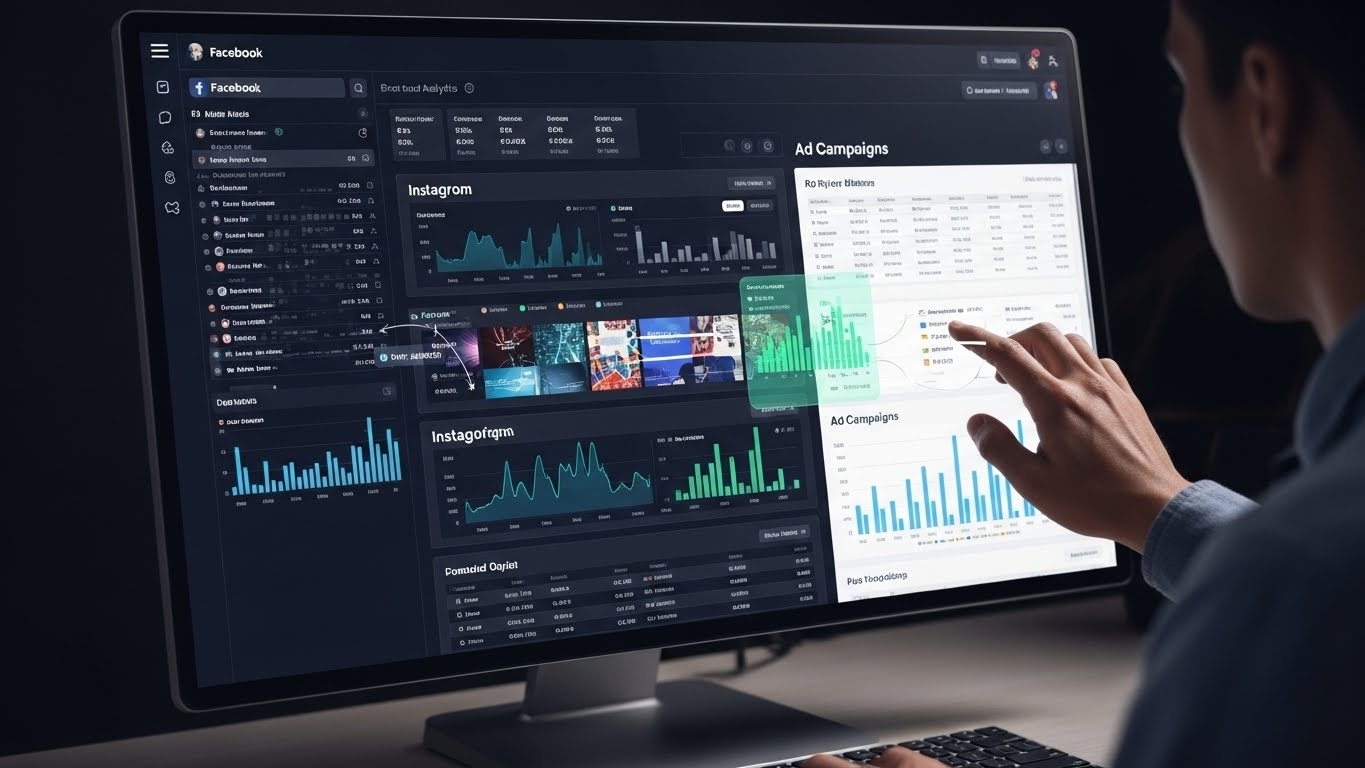
Navigating the vast expanse of public conversation demands more than just a casual glance; it requires precision instruments. For marketers aiming to dissect discussions, gauge sentiment, and benchmark performance, the right social monitoring platform is non-negotiable. These aren’t just dashboards; they’re command centers, offering unparalleled visibility into brand perception and market dynamics. Let’s explore three platforms that stand out for their comprehensive capabilities.

Hootsuite: Your All-in-One Command Center
Hootsuite has long been a cornerstone for social media professionals, evolving into a robust ecosystem that extends far beyond simple scheduling. For monitoring, it’s a powerhouse. Its robust analytics suite allows for deep dives into engagement rates, reach, and audience demographics across multiple networks. This isn’t just about raw numbers; it’s about understanding the why behind the performance. You can track specific campaigns, identify top-performing content, and even pinpoint optimal posting times with granular detail.
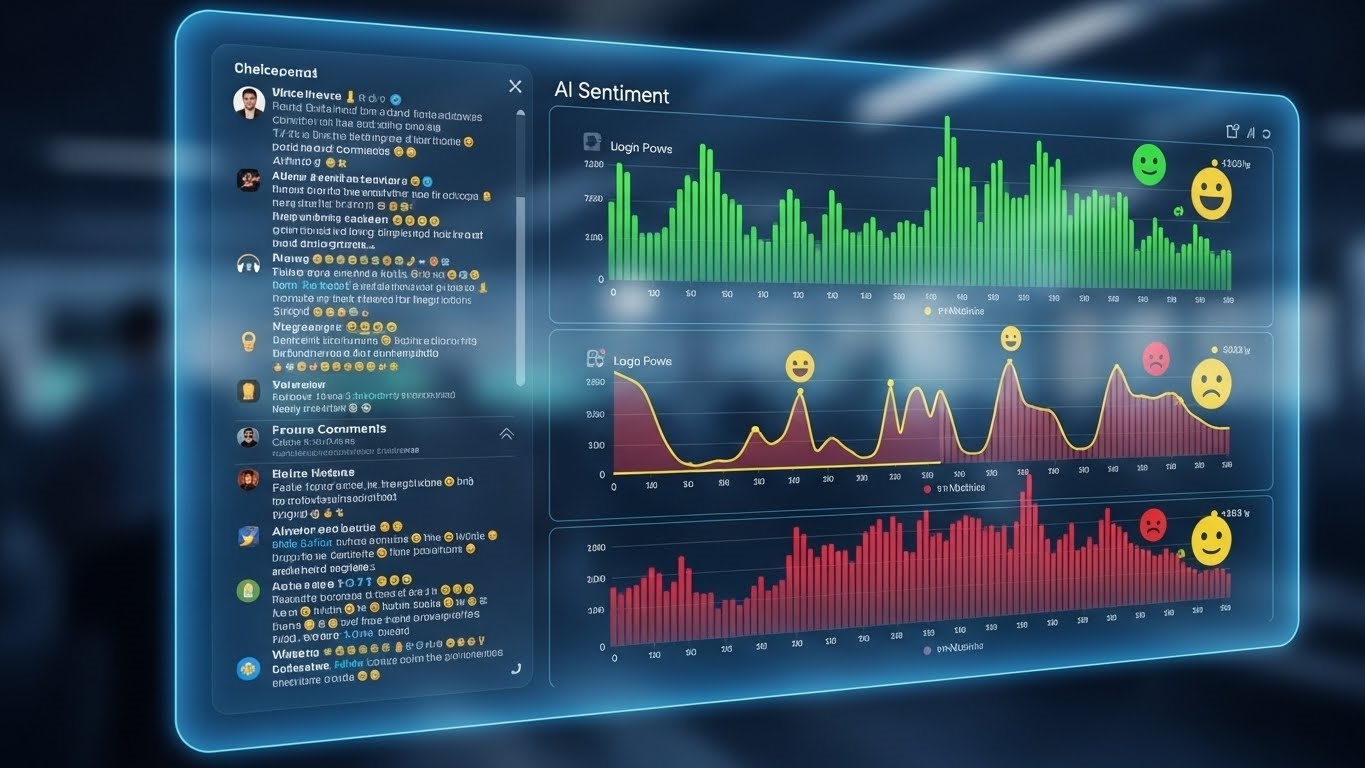
What truly sets Hootsuite apart in the monitoring realm is its sophisticated sentiment analysis. Imagine instantly knowing if mentions of your brand are positive, negative, or neutral. This qualitative layer transforms raw data into actionable insights, enabling rapid response to potential issues or amplification of positive buzz. Furthermore, its industry benchmarking capabilities provide crucial context. How does your brand’s social performance stack up against competitors? Hootsuite allows you to compare key metrics, revealing opportunities for strategic adjustment and competitive advantage. It’s about moving beyond self-assessment to informed market positioning.

Talkwalker by Hootsuite: Deep Dive Data Orchestration
When the monitoring demands extend beyond owned social channels to the broader web, Talkwalker by Hootsuite steps in as an indispensable ally. This platform excels at comprehensive monitoring across diverse data sources. Think beyond Facebook and X (formerly Twitter); Talkwalker pulls data from news sites, blogs, forums, review platforms, and even broadcast media. This expansive reach ensures no critical conversation slips through the cracks, providing a truly holistic view of your brand’s presence and public perception.
The sheer volume of data collected would be overwhelming without Talkwalker’s extensive filtering capabilities. This isn’t just keyword matching; it’s about precision. Users can refine searches by language, location, source type, sentiment, author influence, and much more. This granular control allows marketers to cut through the noise, focusing only on the most relevant conversations and insights. Whether you’re tracking a global product launch or a niche industry trend, Talkwalker ensures you’re analyzing the right data, not just all the data. It’s about turning a deluge of information into a crystal-clear stream of intelligence.

Agorapulse: Streamlined Conversation Management
For teams juggling multiple social profiles and a constant influx of interactions, Agorapulse offers a refreshing approach to social media monitoring, prioritizing efficiency and organization. Its strength lies in streamlining social media monitoring by consolidating all incoming messages, comments, and mentions into a unified inbox. This eliminates the need to jump between platforms, ensuring no customer query or brand mention goes unnoticed.
Agorapulse truly shines in its ability to organize conversations. You can assign items to team members, mark them as reviewed, or categorize them for later analysis. This collaborative workflow ensures accountability and a consistent brand voice in responses. Crucially, for those investing in paid social, Agorapulse excels at managing social ad comments efficiently. It allows marketers to monitor and respond to comments on their paid campaigns directly within the platform, preventing negative sentiment from festering and ensuring ad spend is protected by proactive engagement. It’s about turning every interaction, organic or paid, into an opportunity for connection and brand advocacy.

Here’s a quick look at how these platforms stack up:
| Platform | Primary Monitoring Strength | Key Feature 1 | Key Feature 2 |
|---|---|---|---|
| Hootsuite | All-in-one social management | Robust analytics | Industry benchmarking |
| Talkwalker by Hootsuite | Broad web data collection | Diverse data sources | Extensive filtering |
| Agorapulse | Efficient interaction organization | Unified inbox | Ad comment management |
Mastering Social Monitoring: Advanced Strategies
Moving beyond basic tracking, true mastery of social media monitoring transforms it from a reactive chore into a powerful strategic asset. This requires a commitment to continuous engagement and a sophisticated approach to data interpretation.

Continuous Vigilance: Daily Monitoring
Effective social monitoring isn’t a weekly report; it’s a daily, ingrained practice. Think of it as the constant hum of a high-performance engine, providing real-time diagnostics. By integrating monitoring into your team’s daily workflow, you cultivate an intimate understanding of your audience’s evolving sentiments, emerging discussions, and shifting preferences. This isn’t just about catching negative mentions; it’s about spotting micro-trends before they become macro-trends, identifying unmet needs, and understanding the nuances of how your brand resonates (or doesn’t) in everyday conversations. A consistent pulse check allows for agile adjustments to content strategy, product messaging, and even customer service protocols, ensuring your brand remains relevant and responsive.
Precision Keyword Crafting
The bedrock of any robust monitoring strategy is a meticulously crafted keyword list. Generic terms yield generic insights. To achieve comprehensive coverage, your keyword strategy must extend far beyond your brand name. Consider a multi-layered approach:

- Brand & Product: Include all variations, common misspellings, product names, campaign hashtags, and even key personnel names.
- Industry: Track broad industry terms, specific sector jargon, and relevant events.
- Competitors: Monitor their brand names, product launches, campaigns, and key executives.
- Thematic: Capture conversations around pain points your product solves, aspirational terms, or related lifestyle discussions.
Employing Boolean operators is crucial here. For instance, ("BrandX" OR "Brand X" OR "#BrandX") AND (review OR feedback OR problem) provides a far more targeted stream than simply “BrandX.” Regularly review and refine this list, perhaps quarterly, to adapt to new campaigns, product launches, or shifts in market discourse.
Proactive Alert Systems
The speed of social discourse demands immediate awareness of significant shifts. Setting up intelligent alert systems is your early warning mechanism against potential crises and a beacon for emerging opportunities. These alerts should trigger based on predefined thresholds, such as:

- Volume Spikes: A sudden, abnormal increase in mentions for a specific keyword or your brand.
- Sentiment Shifts: A rapid decline in positive sentiment or a surge in negative sentiment.
- Specific Keywords: The appearance of high-risk terms like “recall,” “scam,” or “boycott” in conjunction with your brand.
- Influencer Mentions: When a high-profile individual or media outlet mentions your brand or a competitor.
| Alert Trigger | Threshold Example | Purpose |
|---|---|---|
| Mention Volume | 200% increase in 1 hour | Crisis detection, viral content tracking |
| Negative Sentiment | 15% drop in sentiment score | Reputation management, issue identification |
| Keyword Presence | “Recall” + “BrandX” | Immediate crisis response |
| Influencer Engagement | 100K follower account mention | Opportunity identification, PR response |
These alerts empower your team to intervene swiftly, whether it’s addressing a customer service issue before it escalates, correcting misinformation, or capitalizing on a positive viral moment.
The Human Touch in Data Analysis
While monitoring tools are indispensable for data aggregation and initial filtering, their output is merely raw material. The true gold lies in the integration of human analysis. Algorithms can flag sentiment, but they often struggle with nuance – sarcasm, irony, cultural idioms, or the subtle context of a conversation.
A skilled analyst brings critical thinking to the data, discerning:
- Contextual Meaning: Is “terrible” truly negative, or is it used ironically to mean “excellent” within a specific community?
- Emerging Themes: What are the underlying reasons behind a sentiment shift? Is it a product flaw, a competitor’s move, or a broader societal trend?
- Strategic Opportunities: Can a recurring customer pain point be addressed with a new product feature? Is there an untapped audience segment discussing related topics?
This human layer transforms data points into actionable intelligence, guiding everything from product development and marketing campaigns to customer experience enhancements. It’s the difference between seeing numbers and understanding the story they tell, allowing brands to not just react, but to truly anticipate and innovate.
FAQ
What are monitoring's ethical considerations?
Respect user privacy. Anonymize data. Be transparent about collection.
How does monitoring integrate with CRM?
Connect insights to customer profiles. Enhance service records. Inform sales.
How to address data bias?
Diversify data sources. Validate findings with qualitative research. Understand tool limitations.
How to manage online harassment?
Implement clear moderation policies. Report severe cases. Do not engage trolls directly.