pryanicom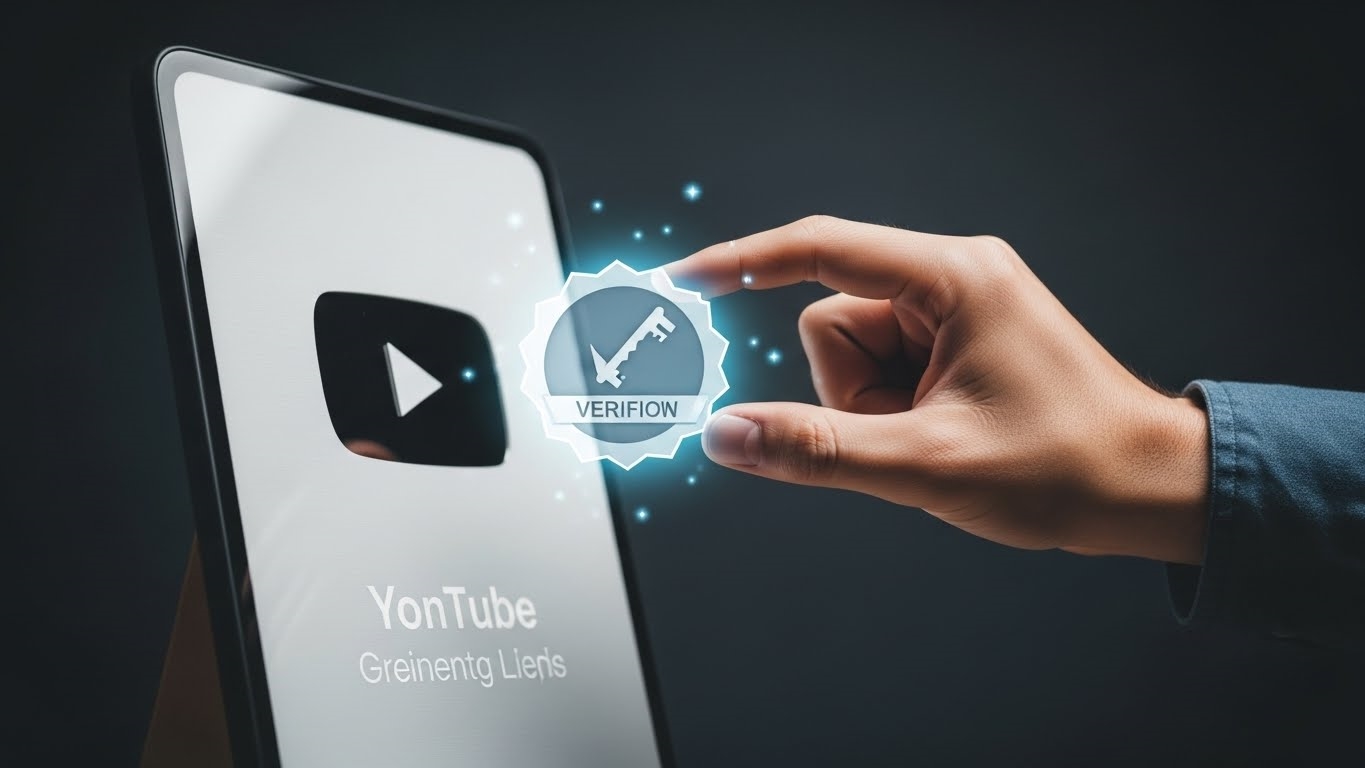
In a vast ocean of content, how do viewers confidently navigate to genuine voices? YouTube’s multi-layered verification systems are the platform’s answer, designed to instill trust and confirm legitimacy. This isn’t just about a shiny badge; it’s about establishing foundational credibility, ensuring creators, brands, and public figures can stand firm against impersonation and build authentic connections. Verification acts as a digital handshake, confirming identity and fostering an environment where authenticity thrives.
Account Verification: Your Digital Passport
The initial step involves account verification via phone number confirmation. This proves you’re a real person, not a bot, immediately unlocking essential features: longer videos, custom thumbnails, and live streaming. For deeper integration, advanced features demand robust identity verification—submitting a valid ID, building channel history, or video verification. These tiers are pivotal for Content ID claims, external links, and monetization. Check your status in YouTube Studio under ‘Channel’ -> ‘Feature eligibility’.

The Coveted Channel Badge
Distinct from account verification, channel verification bestows the iconic gray checkmark (or music note for Official Artist Channels) next to a channel’s name. This badge is a public declaration of legitimacy, a powerful visual cue instantly signaling authenticity. It’s a critical deterrent against impersonation, ensuring audiences find the real brand or creator, not a cleverly disguised copycat. This distinction is paramount for maintaining brand integrity and viewer trust.
The Verified Advantage: Earning Your YouTube Badge
The pursuit of authenticity and authority on YouTube culminates for many creators and brands in the coveted verification badge. This small, gray checkmark, or the distinctive music note for Official Artist Channels, signifies far more than just a cosmetic addition to a channel name. It’s a powerful statement of legitimacy, a digital handshake that assures viewers they’ve found the genuine article. In a space teeming with content, establishing credibility and authenticity is paramount for any entity aiming to connect meaningfully with its audience.

The benefits of achieving this status are tangible and far-reaching. First, it profoundly enhances viewer trust and credibility. When a user sees that badge, they instantly recognize an official presence, reducing skepticism and fostering a sense of reliability. This trust often translates directly into higher engagement rates and a more loyal subscriber base. Second, verification is a robust shield for protecting brand identity and preventing impersonation. In an era where digital identity theft is a constant threat, the badge unequivocally distinguishes your official channel from countless copycats or fan accounts, safeguarding your reputation and intellectual property.
Beyond trust, verification can also contribute to improving visibility and standing out in search results. While YouTube’s algorithm doesn’t explicitly prioritize verified channels, the increased click-through rates and longer watch times that often accompany perceived credibility can indirectly boost a channel’s performance. Users are simply more likely to click on a result they deem authoritative. Finally, verified channels occasionally gain potential access to new feature testing. YouTube frequently rolls out experimental tools and functionalities to a select group of channels, and verification can sometimes place you in that privileged cohort, offering a sneak peek and a competitive edge.

So, how does one earn this digital seal of approval? The path to YouTube channel verification is clearly defined, though it requires meeting specific benchmarks.
Eligibility: The Foundation
The primary hurdle for most channels is the 100,000 subscriber threshold. This isn’t merely a popularity contest; it’s YouTube’s way of ensuring a channel has a significant, established audience. Beyond subscriber count, your channel must represent a real entity—be it a creator, brand, company, or public figure. Fan channels, even large ones, typically won’t qualify. Furthermore, the channel needs to be active, public, and complete, meaning it has public content, a channel banner, a profile picture, and a description, and adheres to YouTube’s community guidelines.

| Eligibility Criterion | Standard Channel | Official Artist Channel |
|---|---|---|
| Subscriber Count | 100,000+ | Not strictly 100k |
| Entity Representation | Creator, Brand | Artist, Band |
| Channel Status | Active, Public | Active, Public |
| Profile/Banner | Required | Required |
| Content | Public Videos | Official Music Content |
Official Artist Channel Verification
For musicians and bands, there’s a specialized verification process leading to the distinct music note badge. Special considerations for Official Artist Channel verification include having at least three official music releases distributed by a music distributor (like TuneCore, DistroKid, or CD Baby) to YouTube Music, and often, participation in the YouTube Partner Program. This ensures that the channel is indeed the official hub for an artist’s musical work.
The Application Process
Once eligible, the application process is straightforward. You’ll typically navigate to the YouTube Studio, then to the “Channel” section, and look for “Feature eligibility” or a direct link to apply for verification. The form will ask for your channel ID and a brief explanation of why your channel should be verified. Ensure all details are accurate before submitting your application.

Post-Application Period
After submission, begins the post-application period. This is a waiting game, as YouTube’s team reviews each application manually. The duration can vary, but patience is key. Be prepared for YouTube to potentially request additional documentation to confirm your identity or the legitimacy of your brand.
Earning the badge is one thing; keeping it is another. Maintaining YouTube verification status requires continuous adherence to YouTube’s comprehensive Terms of Service and Community Guidelines. Any serious violation can lead to the revocation of your badge, or worse, channel termination. A critical, often overlooked detail is to avoid channel name changes. While YouTube allows name changes, doing so after verification will almost certainly result in the loss of your badge, requiring you to reapply and meet the criteria all over again. Consistency and compliance are paramount.
Forging Authority and Revenue Without the Verification Badge
While the coveted YouTube verification badge signals official recognition, its absence is far from a barrier to establishing a powerful, trustworthy presence or generating revenue. Savvy creators understand that true credibility is built through consistent effort, meticulous branding, and genuine audience connection. The blue checkmark is a nice-to-have, but it’s the foundational elements that truly resonate with viewers and cultivate a loyal community.
Brand Your Channel Identity
Your channel’s identity is its digital handshake, its first impression. Without the verification badge, every element must work harder to convey professionalism and authenticity. Start with your channel name. It should be memorable, relevant to your content, and unique. Avoid generic handles or overly complex spellings. A name like “Deep Dive Tech Reviews” immediately communicates intent, unlike “TechFanatic_X01.” Complement this with a distinct profile picture. This isn’t just an avatar; it’s your channel’s emblem. Whether it’s a professionally designed logo or a clear, engaging headshot, ensure it’s high-resolution and instantly recognizable even at small sizes.
Beyond the basics, leverage YouTube’s robust customization options. Your channel banner is prime real estate for branding. Use it to showcase your channel’s theme, upload schedule, or a compelling tagline. A consistent visual aesthetic, including a custom channel trailer and featured videos, guides new visitors. Don’t overlook the video watermark; it’s a subtle yet persistent branding tool that reinforces your identity throughout your content. Cultivating a unique and consistent visual aesthetic across all your videos—from intro sequences and lower thirds to color palettes and typography—creates a cohesive, professional experience that viewers associate solely with your brand. This visual signature is a powerful, non-verbal cue of legitimacy.
Engage and Protect Your Community
Credibility isn’t just about how you present yourself; it’s about how you interact. Actively engaging with your audience through comments is paramount. Responding thoughtfully, asking questions, and acknowledging feedback builds a direct connection and fosters a sense of community. This two-way dialogue proves there’s a real, invested person behind the content, which is a potent credibility builder. Furthermore, in an environment where impersonation can erode trust, reporting instances of impersonation to YouTube is a critical protective measure. Vigilance against bad actors safeguards your brand and your audience from deceptive content, demonstrating your commitment to maintaining a safe and authentic space.
Verification Isn’t Monetization
A common misconception is that the verification badge is a prerequisite for earning revenue on YouTube. Let’s be unequivocally clear: verification is not a gateway to monetization. The blue checkmark signifies authenticity and public recognition; it does not directly enable ad revenue, channel memberships, or Super Chats. These financial pathways are governed by an entirely separate set of criteria, primarily through the YouTube Partner Program (YPP).
Unlocking Revenue Streams
To unlock the potential for earning revenue, creators must meet the specific YouTube Partner Program eligibility requirements. These are concrete metrics and policy adherence standards, not subjective judgments of public recognition.
| Requirement | Detail |
|---|---|
| Subscriber Count | At least 1,000 subscribers. |
| Public Watch Hours | 4,000 valid public watch hours over the past 12 months (for long-form video). |
| Shorts Views | Alternatively, 10 million valid public Shorts views in the past 90 days. |
| Policy Compliance | Strict adherence to all YouTube channel monetization policies, including Community Guidelines and Terms of Service. |
| Two-Step Verification | Enabled for the associated Google Account. |
| Linked AdSense Account | An active, approved AdSense account linked to the channel. |
| Geographic Availability | Reside in a country or region where the YouTube Partner Program is available. |
Meeting these criteria is the true milestone for creators aiming to monetize their content. It underscores that consistent content creation, audience retention, and policy adherence are the actual keys to unlocking financial opportunities, entirely independent of a verification badge. The focus should always remain on delivering value and building a genuine connection with your audience.
FAQ
What if a verification application is rejected?
YouTube provides reasons. Reapplication is possible after 30 days, addressing initial issues.
Can a verified badge be automatically removed?
Yes, if the channel becomes inactive, violates policies, or no longer meets eligibility.
Do smaller public figures qualify for verification?
YouTube may verify channels below 100k subscribers if prominent public figures or brands face high impersonation risk.
When did YouTube verification begin?
YouTube introduced channel verification in **2009** to distinguish official channels.