pryanicom
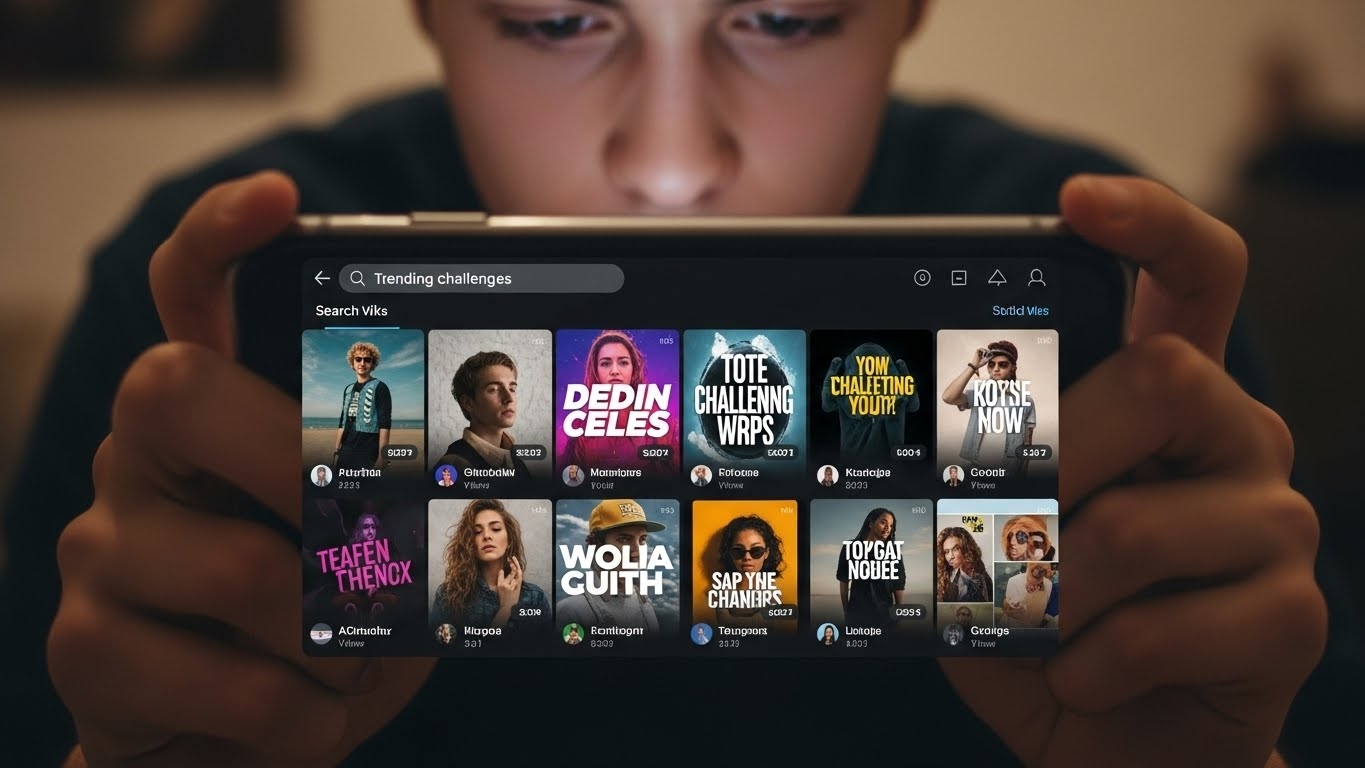
What if the platform renowned for serendipitous discovery is now a primary search engine for millions? It’s not a hypothetical; it’s the reality of 2026. The days of simply hoping your content “goes viral” are behind us. Now, strategic visibility hinges on understanding and leveraging TikTok SEO.
This isn’t just a buzzword; it’s the systematic optimization of your content to rank higher within TikTok’s internal search results and “For You Page” recommendations. Think of it as crafting a digital breadcrumb trail, guiding precisely the right viewers to your videos. It’s the strategic blueprint for ensuring your content doesn’t just exist, but thrives in a hyper-competitive feed. This isn’t about gaming the system; it’s about speaking the algorithm’s language, making your content discoverable precisely when your audience is looking for it.

For content creators and brands, embracing TikTok SEO translates directly into expanding reach beyond your existing follower count, fostering deeper engagement with a truly interested audience, and cultivating sustainable growth. The platform has transcended its initial role as a pure entertainment hub. For a significant portion of the population, particularly younger demographics, TikTok has become the go-to resource for everything from product reviews and how-to guides to local business discovery and news updates. When they need information, they’re not always typing into a traditional search bar; they’re scrolling and searching on TikTok. Ignoring this seismic shift means leaving immense potential on the table.
Decoding TikTok’s Ranking Signals
Forget the black box mystique; TikTok’s algorithm, while complex, operates on discernible principles that directly influence content visibility. For marketers and creators aiming for genuine discovery, understanding these core ranking factors isn’t just beneficial—it’s absolutely essential. As TikTok solidifies its position as a primary search platform, particularly among younger demographics, deciphering these signals becomes paramount for expanding reach, fostering engagement, and ultimately growing an audience.

User Interactions Drive Discovery
At the heart of TikTok’s recommendation engine are user interactions. The platform meticulously tracks how viewers engage with your content, treating each interaction as a powerful signal of relevance and quality. It’s not just about raw views; it’s about meaningful engagement. Think of it as a feedback loop:
- Full Watch-Throughs: This is gold. When a user watches your video from start to finish, it tells the algorithm your content is compelling enough to hold attention. High completion rates are a massive boost to your video’s perceived value.
- Likes and Favorites: While perhaps less potent than a full watch-through, these still indicate positive sentiment. A ‘like’ is a quick nod of approval, while ‘favoriting’ suggests a desire to revisit the content, signaling higher value and potential future engagement.
- Shares: The ultimate endorsement. A share means a user believes your content is worth showing to their network, amplifying its reach organically and indicating strong resonance.
- Comments: Active discussion beneath a video signifies strong engagement and community interest, further signaling relevance and prompting the algorithm to show it to more users.
- Hidden Videos: Conversely, if users frequently hide your videos or indicate “not interested,” this sends a strong negative signal, potentially reducing future visibility for similar content.
Video Information: Context is King
Beyond direct user feedback, the information embedded within and around your video provides crucial context for the algorithm. This is where your strategic input truly shines, guiding the platform to understand and categorize your content effectively.

- Captions: These aren’t just for human readability. Keyword-rich, relevant captions help the algorithm understand your video’s topic, connecting it with appropriate search queries and user interests.
- Hashtags: More than just trends, hashtags categorize your content. A balanced mix of broad and niche hashtags ensures both wide discoverability and targeted reach to specific communities.
- Audio: Trending sounds and music can significantly boost visibility, as the algorithm often pushes content utilizing popular audio. Original audio, especially if it gains traction, also plays a role in discoverability.
- On-Screen Text: Text overlays provide direct textual cues to the algorithm, reinforcing your video’s subject matter and improving accessibility.
- Trending Topics: Aligning your content with current trends, challenges, or popular narratives can provide a significant algorithmic tailwind, tapping into existing waves of interest.
Device and Account Settings
The algorithm also tailors content delivery based on individual user preferences and device configurations. This personalization ensures a highly relevant “For You” page experience, making content discovery feel intuitive and personal.
- Language Preferences: Users are more likely to see content in their preferred languages, fostering a more comfortable viewing experience.
- Country/Region: Geographic relevance plays a role, often prioritizing local content or content relevant to a user’s location, connecting communities.
- Device Type: While less direct for SEO, the algorithm optimizes content delivery based on device capabilities, ensuring a smooth playback experience.
- Selected Interests: When users initially set up their accounts or interact with content, they signal their interests, which the algorithm uses to fine-tune recommendations, creating a bespoke content stream.
To visualize the hierarchy of these factors, consider this breakdown:

| Ranking Factor Category | Key Components | Algorithmic Impact |
|---|---|---|
| User Interactions | Full watch-throughs, likes, favorites, shares, comments, hidden videos | Direct signal of content quality and relevance. |
| Video Information | Captions, hashtags, audio, on-screen text, trending topics | Contextual understanding for matching content to queries. |
| User/Device Settings | Language, country, device type, selected interests | Personalization for individual ‘For You’ page experience. |
Dispelling a Common Myth
Now, let’s address a persistent misconception: follower count is not a determinant in TikTok SEO ranking. While a large following can certainly amplify initial reach due to existing audience distribution, the algorithm fundamentally prioritizes content quality and relevance over creator popularity for organic discovery. A video from an account with 100 followers can go just as viral as one from an account with 10 million, provided it hits those crucial interaction and relevance signals. This democratizing aspect is what makes TikTok such a powerful platform for emerging voices and brands. Focus on crafting compelling content that resonates, and the algorithm will do the rest.
Mastering TikTok Search: Actionable Strategies
Unlocking organic visibility on TikTok requires a deliberate, strategic approach to search engine optimization. It’s not just about going viral; it’s about being discoverable when your audience actively seeks solutions, entertainment, or information. This means diving deep into how TikTok’s powerful algorithm interprets content and user intent.

Understanding Your Audience’s Search
Effective TikTok SEO begins with a profound understanding of your target audience. What are their interests? What problems do they seek to solve? How do they phrase their queries on the platform? This isn’t guesswork; it’s investigative work. Start by observing comments on popular videos in your niche, analyzing trending topics, and even engaging directly with potential viewers.
Then, leverage TikTok’s native search features. The search bar itself is a goldmine. As you type, the autocomplete suggestions reveal high-volume queries. Pay close attention to the “People also searched for” section after a search; these related terms are invaluable for uncovering adjacent interests and long-tail keywords. Think of it as a real-time, dynamic keyword research tool, constantly updated by millions of daily searches.

Optimizing Content with Keywords
Once you’ve identified your core keywords, strategic placement is paramount. TikTok’s algorithm processes information from multiple sources within your video.
- Titles and Descriptions: These are your primary text fields. Integrate relevant keywords naturally within your video title and the accompanying description. Don’t just list them; weave them into compelling narratives that also entice clicks.
- Captions: While often shorter, captions are indexed. Use them to reinforce your main topic and include secondary keywords.
- On-Screen Text: This is a critical, often underutilized, element. TikTok’s visual recognition capabilities read text overlays. Use clear, concise, keyword-rich text on screen to explicitly state your video’s topic or key takeaways. This provides a direct signal to the algorithm.
- Spoken Audio: Perhaps the most overlooked aspect. TikTok’s advanced speech-to-text transcription means that words spoken in your video are indexed. Naturally integrate keywords into your dialogue or voiceovers. This multi-modal approach significantly boosts your content’s discoverability.
Regarding hashtags, the goal is balance. Combine broad, high-volume hashtags for wider reach with niche, specific hashtags that target a more defined audience. This strategy ensures your content is exposed to a large pool while also being highly relevant to those actively searching for specific topics.

| Hashtag Type | Purpose | Example (for a cooking channel) |
|---|---|---|
| Broad | Maximize general visibility | #cooking #foodie #recipe |
| Niche | Target specific interests | #glutenfreebaking #airfryerhacks |
| Branded | Build community, track campaigns | #MyKitchenAdventures #ChefSarah |
Enhancing Profile and On-Screen Elements
Your TikTok profile isn’t just a digital business card; it’s an SEO asset. Your username should be discoverable and reflect your brand or content niche. If your content focuses on “sustainable fashion tips,” a username like @SustainableStyleGuru is far more effective than an abstract handle.
Beyond your profile, the on-screen text within your videos plays a dual role. It enhances user comprehension, making your content accessible and easy to follow. Crucially, it also provides explicit textual cues for TikTok’s algorithm. Think of it as an additional layer of metadata. When you overlay text like “How to Make Sourdough Starter,” the algorithm registers that phrase, directly associating your video with relevant search queries. This isn’t just about aesthetics; it’s about algorithmic clarity.

Continuous Improvement
TikTok SEO is not a one-time setup; it’s an ongoing process of refinement. Regularly track your analytics. Pay close attention to your “For You Page” distribution, but also specifically monitor your “Search” traffic source. Which videos are performing well in search? What keywords are driving that traffic? Identify patterns in successful content.
Implement a consistent testing methodology. Experiment with different keyword sets in your descriptions, vary your hashtag combinations, or test different on-screen text strategies. For instance, create two similar videos on a topic, but optimize one with a specific long-tail keyword in the spoken audio and on-screen text, and the other with a broader approach. Analyze the performance difference. This iterative approach, driven by data, is how you truly master TikTok’s search landscape in 2026.
Navigating TikTok SEO: Avoiding Common Pitfalls
Even the most meticulously crafted TikTok SEO strategy can falter if common missteps aren’t recognized and rectified. Understanding these pitfalls isn’t just about avoiding penalties; it’s about optimizing for the algorithm’s preferences and, crucially, for genuine user engagement. Let’s dissect the top three mistakes that can derail your visibility efforts.
Hashtag Stuffing: A Recipe for Irrelevance
The allure of maximizing reach often leads creators down a perilous path: hashtag stuffing. This involves cramming an excessive number of generic or irrelevant hashtags into a video’s description, hoping to catch every possible search query. While the intention might be to broaden visibility, the reality is far more detrimental.
TikTok’s sophisticated algorithm prioritizes relevance and user experience. When a video is inundated with dozens of loosely related or entirely unrelated hashtags, it sends a confusing signal. The system struggles to accurately categorize your content, making it less likely to surface for truly interested viewers. Instead of appearing in niche, high-intent searches, your video might be shown to a broad, disengaged audience, leading to low watch times and reduced engagement metrics—signals the algorithm interprets negatively.
Consider the impact: a video about sustainable urban farming tagged with #fyp #viral #trending #love #happy #challenge #dance dilutes its core message. The algorithm sees a jumble, not a clear topic. A more effective approach involves a strategic blend of 3-5 highly specific, relevant hashtags (e.g., #UrbanGardening #VerticalFarming #EcoLiving) combined with 1-2 broader, but still pertinent, trending tags.
| Strategy | Algorithm Interpretation | User Experience | Outcome |
|---|---|---|---|
| Hashtag Stuffing | Confused, low relevance signals | Irrelevant content, frustration | Reduced reach, lower engagement |
| Strategic Hashtags | Clear topic, high relevance signals | Targeted content, satisfaction | Increased visibility to relevant users |
Don’t Overlook Auto-Generated Captions
It’s a common oversight: creators either disable TikTok’s auto-generated captions or simply ignore them. This seemingly minor detail, however, represents a significant missed opportunity for both algorithmic comprehension and user accessibility.
TikTok’s algorithm doesn’t just analyze visual cues and audio trends; it actively processes spoken words within your videos. Auto-generated captions provide a direct, textual transcript of your audio, offering the algorithm explicit keywords and contextual information. This text layer acts as a powerful reinforcement, confirming the topics discussed in your video and allowing the system to index your content with greater precision. If your video discusses “neural networks” or “quantum entanglement,” accurate captions ensure the algorithm knows it.
Beyond algorithmic benefits, captions are indispensable for accessibility. A substantial portion of users watch videos without sound, whether they’re in public spaces, have hearing impairments, or simply prefer to consume content visually. Neglecting captions means your message is lost to these viewers, severely limiting your potential audience. Always review and edit auto-generated captions for accuracy; a few minutes of refinement can dramatically enhance both discoverability and inclusivity.
Inconsistent Posting: A Visibility Drain
The TikTok algorithm thrives on consistency. Irregular content publication is a silent killer of visibility, hindering the algorithm’s ability to understand your content niche and effectively distribute your videos to a loyal audience.
Think of the algorithm as a learning machine. When you post consistently, it quickly learns your content style, your target demographic, and the types of videos that resonate with your viewers. This continuous feedback loop allows it to refine its recommendations, pushing your content to increasingly engaged users. When your posting schedule is erratic—a flurry of videos one week, followed by weeks of silence—this learning process is disrupted. The algorithm struggles to build a reliable profile for your account, leading to diminished reach and slower audience growth.
Moreover, consistency builds anticipation and loyalty among your followers. Users expect a steady stream of content from creators they enjoy. A sporadic presence can lead to disengagement, as your audience moves on to creators who reliably deliver. Establishing a realistic, sustainable posting schedule—even if it’s just 2-3 high-quality videos per week—is far more effective than bursts of activity followed by prolonged absences. Prioritize quality, but never at the expense of a predictable presence.
FAQ
External tools for TikTok keyword research?
Beyond TikTok's native search, third-party platforms offer deeper trend analysis, competitor insights, and audience data.
How do algorithm updates affect TikTok SEO?
Algorithm changes necessitate constant adaptation, monitoring performance, and strategy adjustments for sustained visibility.
Do specific video formats perform better for SEO?
Tutorials, how-to guides, educational content, and product reviews often rank well due to explicit user search intent.
How does search optimization influence FYP visibility?
Strong search optimization signals content relevance, increasing the likelihood of For You Page distribution to interested users.