pryanicom
Consider this: in 2026, a single, well-crafted post from a government agency can mobilize resources, quell widespread panic, or ignite a national dialogue faster than any traditional channel. This isn’t hyperbole; it’s the operational reality for public bodies navigating an interconnected world. Social media isn’t merely an accessory for government; it’s the nervous system of modern governance, enabling real-time interaction, policy dissemination, and critical incident response.
The Direct Line to the Public
Gone are the days when official pronouncements were solely delivered from a podium or through press releases. Today, social platforms offer an unparalleled direct conduit for government bodies, politicians, and lawmakers to engage directly with constituents. This isn’t just about broadcasting; it’s about fostering a two-way conversation, gathering immediate feedback, and building genuine awareness around new initiatives or policy shifts. From explaining complex legislation to showcasing community projects, these channels transform abstract governance into tangible, relatable content.

Crucially, when the unexpected strikes, social media becomes the first responder in the information battleground. During moments of crisis – be it a natural disaster, a public health emergency, or a security threat – the ability to disseminate accurate, timely updates and counteract misinformation is paramount. It’s the difference between controlled communication and widespread chaos, solidifying social media’s indispensable role in maintaining public trust and safety.
Government Social Media: The Double-Edged Sword
Social platforms, once dismissed as mere entertainment, have cemented their position as critical conduits for public sector communication. In 2026, these channels are not just supplementary; they are foundational. They serve as a vital platform for government bodies, politicians, and lawmakers to connect with constituents, launch initiatives, and build awareness. Beyond that, it is also an essential tool for crisis communication, demanding a nuanced understanding of both their immense potential and their inherent risks.

Key Benefits for Government
The strategic deployment of social channels offers unparalleled advantages for public institutions seeking to connect with their populace.
Enhanced Public Engagement
Gone are the days of one-way communication. Today, governments can foster genuine dialogue. Consider the Toronto Police Service, which has leveraged Reddit’s Ask Me Anything (AMA) sessions to directly address community concerns, demystify police work, and build significant public trust. This direct interaction facilitates information dissemination and cultivates deeper audience engagement, directly bolstering credibility.

Fostering Transparency and Branding
Politicians now have an unprecedented opportunity to present an authentic image, humanizing their roles and shifting public perception. Alexandria Ocasio-Cortez, for instance, has masterfully used platforms to explain complex policy, engage with constituents, and showcase her personality, significantly increasing accessibility and accountability. This personal branding can be a powerful tool for democratic participation.
Crisis Communication and Misinformation
When events demand immediate, widespread communication, social platforms are indispensable. During the COVID-19 pandemic, governments worldwide relied on these channels to disseminate critical health information and updates. Similarly, during the January 6th insurrection, official government accounts provided real-time updates and directives. These platforms also enable proactive social listening, allowing agencies to identify and counteract misinformation swiftly, protecting public discourse.

Launching Campaigns with Impact
For campaigns, social media offers a low-cost, high-reach avenue for testing messaging, mobilizing support, and aligning with prevailing trends. Joe Biden’s “BuildBackBetter” campaign in 2020 and 2021 effectively utilized these channels to rally voters and articulate policy goals, demonstrating the measurable impact achievable through targeted digital outreach.
Significant Challenges for Government
Despite the undeniable advantages, the public sector’s engagement with social platforms is fraught with complexities and potential pitfalls.

Navigating Tricky Messaging
The inherent virality of social content means that a misstep can quickly escalate. Messaging that seems innocuous in a boardroom can backfire spectacularly in the public arena. South Dakota’s “Don’t Jerk and Drive” campaign in 2014, intended to promote safe winter driving, became a widely mocked example of messaging gone awry, illustrating the fine line between clever and catastrophic.
Handling Sensitive Situations
In delicate international relations or high-stakes negotiations, silence can be a deliberate, strategic choice. The U.S. government’s approach to Brittney Griner’s detention in February 2022, for example, involved careful, often restrained, public commentary on social media to avoid exacerbating an already sensitive diplomatic situation. Sometimes, the most effective social strategy is knowing when not to post.

Intense Public Scrutiny
Government officials operate under a microscope. Every post, every comment, is subject to immediate and intense public scrutiny. Inaccuracies or perceived inauthenticity are swiftly called out, often with severe reputational consequences. Congressman Eric Swalwell’s May 2019 flag post, which drew widespread criticism for its perceived misrepresentation, serves as a stark reminder of this constant accountability.
Vulnerability to Memes and Loss of Control
Perhaps one of the most unique challenges is the inherent unpredictability of content once it enters the public domain. Even well-intentioned posts can be repurposed, altered, and transformed into memes, potentially distorting the original message or public perception. The ubiquitous Bernie Sanders meme in early 2020, while largely harmless, exemplifies how quickly content can take on a life of its own, beyond the creator’s control. This loss of narrative control is a constant consideration for public communicators.

Optimizing Public Sector Social: Strategy & Impact
For government entities navigating the intricate world of public communication, social media is no longer an optional add-on; it’s a foundational pillar. Crafting a truly effective social presence demands more than just posting updates; it requires a sophisticated blend of strategic foresight and meticulous execution.
Strategic Approaches for Engagement
The path to impactful government social media begins with a deep understanding of the audience and the platforms they inhabit.

Know Your Audience Online
Effective engagement starts with identifying where constituents spend their time online. This isn’t about guesswork; it’s about data-driven insights into platform demographics and user behavior. For instance, when Representative Alexandria Ocasio-Cortez leveraged Twitch for a livestream in October 2020, she directly tapped into a younger, digitally native demographic, demonstrating a keen awareness of where to connect with specific segments of her audience. This targeted approach ensures resources are allocated to platforms where they yield the greatest return in reach and interaction.
Deliver Value, Build Trust
Content is king, but valuable content is paramount for government. The goal is to position the government as a reliable, indispensable source of information. Consider the BC Parks Instagram account, which consistently shares stunning visuals alongside practical information about park access, conservation efforts, and wildlife. This blend of informative and engaging content builds a loyal following and fosters trust, transforming a governmental agency into a trusted resource rather than just an official mouthpiece.

Prioritize Active Engagement
Social media is a two-way street. Fostering a genuine community means actively participating in conversations, not just broadcasting messages. This includes replying to comments, addressing questions, and utilizing interactive features like polls or Q&A sessions. When government accounts actively listen and respond, it humanizes the institution and strengthens the bond with residents.
Ensure Robust Security
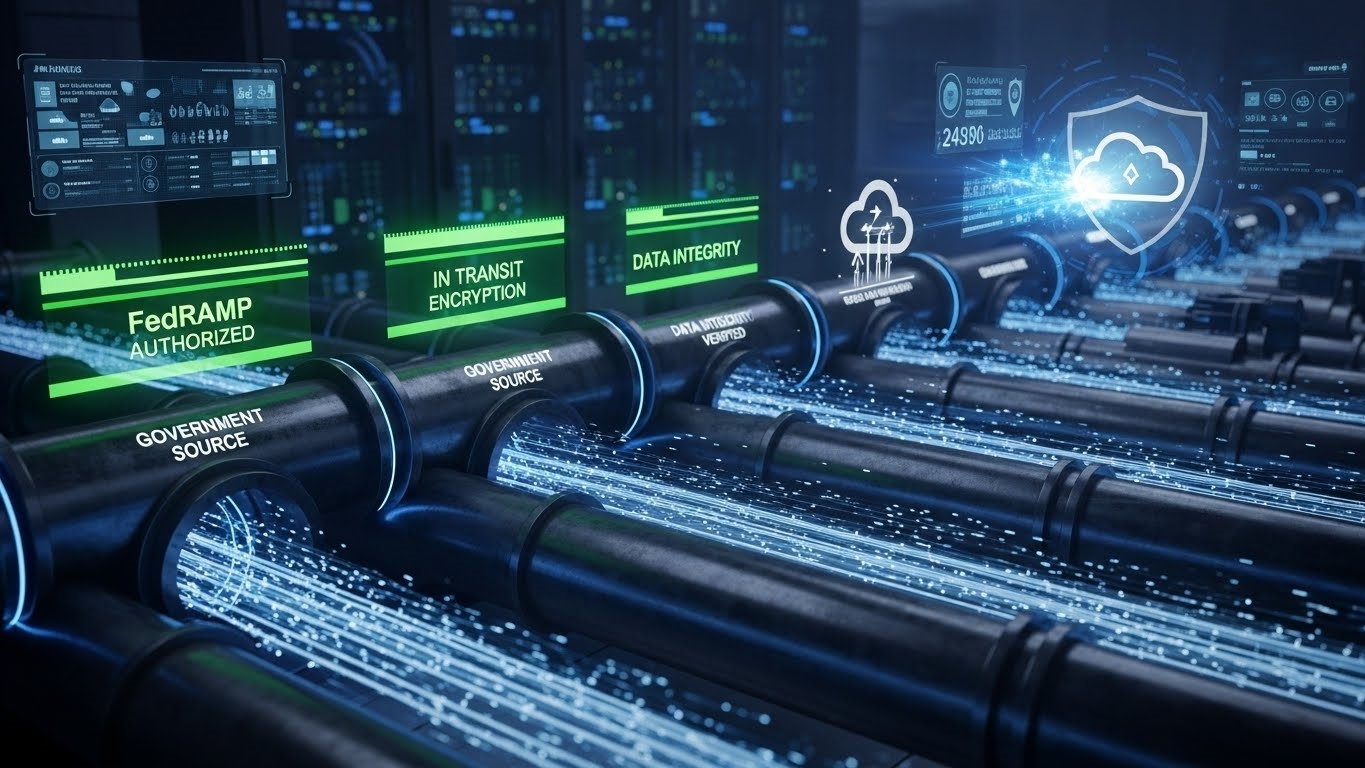
Public trust hinges on security. Government social media accounts are prime targets for malicious actors, making robust security measures non-negotiable. Protecting accounts from breaches is critical for maintaining public confidence and complying with stringent legislative standards. Cloud services, for example, often require FedRAMP authorization to ensure they meet federal security requirements, highlighting the high bar for data protection in the public sector.
Maintain Regulatory Compliance
Operating within a complex regulatory framework is a constant for government. Adhering to privacy requirements like GDPR and FOIA, establishing best practices for content archiving, data handling, and engagement protocols is not just good practice—it’s a legal imperative. A single misstep can lead to significant repercussions, underscoring the need for clear, well-documented compliance strategies.
Performance Insights and Examples
Understanding the strategic framework is one thing; seeing it in action and measuring its impact is another.
Current Benchmarks (Q1 2025)
As of the first quarter of 2025, government social media performance metrics offer a clear picture of what constitutes effective engagement. While posting frequency varies widely by platform and agency, consistent presence is key.
| Platform | Average Engagement Rate | Follower Growth Rate (YoY) |
|---|---|---|
| 3.5% | 12-18% | |
| 1.5% | 5-10% | |
| X (Twitter) | 0.08% | 3-7% |
| 2.1% | 8-15% |
Note: Engagement rates are calculated as total interactions divided by follower count, per post.
These benchmarks provide a critical lens through which agencies can evaluate their own performance and identify areas for optimization.
Illustrative Campaigns
Real-world applications demonstrate the power of well-executed government social media. The CDC’s COVID-19 messaging, for instance, became a global standard for clear, authoritative public health communication, leveraging various platforms to disseminate critical updates and counter misinformation. Similarly, the Washington State Department of Natural Resources garnered significant attention in October 2022 with its meme-friendly posts, proving that even serious government entities can adopt a lighter, more relatable tone to connect with a broader audience. The FDA’s consistent public health information campaigns, such as those in May 2022 regarding new drug approvals or safety warnings, exemplify how social channels can serve as direct conduits for vital public safety announcements, reaching millions instantly. These examples underscore that strategic, compliant, and audience-aware social media can profoundly amplify government impact.
FAQ
How are government social media accounts managed?
Dedicated teams or individuals manage accounts, often following strict internal guidelines for content approval, posting, and interaction.
What are social media content accessibility requirements?
Content must include alt-text for images, captions for videos, clear language, and accessible design for all citizens.
How do governments handle deepfakes?
Governments develop verification protocols, educate the public, and collaborate with platforms to identify synthetic media.
What role does AI play in government communication?
AI assists with sentiment analysis, content scheduling, chatbot support, and identifying emerging misinformation patterns.