pryanicom
Imagine a digital nation, its population exceeding that of any single country on Earth, where over three billion individuals connect monthly. That’s the sheer scale of Facebook in 2026, solidifying its position not just as the most popular social network, but as the third-most visited website across the globe. This isn’t merely a platform; it’s a foundational layer of human interaction, a vast ecosystem where brands and communities thrive.
Yet, within this immense reach lies a paradox: engagement isn’t a given. Despite its unparalleled user base, the average interaction rate can feel surprisingly low. This reality demands a strategic pivot for marketers. Gone are the days when a simple Feed post guaranteed visibility; now, the imperative is to leverage dynamic formats like Reels, compelling photo albums, and vibrant Groups. These are the conduits for genuine connection, moving beyond passive consumption to active participation.

Crucially, maintaining the integrity of such a colossal network is an ongoing, monumental task. The platform consistently removes over a billion fake accounts every single quarter. This relentless effort underscores a deep commitment to authenticity, ensuring that the interactions you foster and the audiences you reach are genuinely human. For marketers, this means a more credible environment, where investment in community building and rich content yields more meaningful returns.
Decoding Facebook’s Core Audience and Behavior
To truly master any platform, one must first understand its inhabitants. Facebook, with its colossal user base, presents a fascinating study in global connectivity and diverse motivations. For marketers, a granular understanding of who is on Facebook, where they are, and why they engage is not merely academic; it’s the bedrock of any successful outreach strategy. Forget broad strokes; we’re diving into the specifics that define this audience in 2026.

Understanding these intricate demographic shifts and behavioral patterns is paramount for any brand aiming to craft effective marketing strategies on Facebook. It’s about moving beyond surface-level assumptions to truly connect with users, leveraging the platform’s unique strengths to foster engagement and drive measurable results.
Global User Footprint
Facebook’s global reach is undeniable, yet its distribution reveals key strategic markets. India stands as the undisputed leader, boasting an astounding 378 million users. This represents a massive opportunity for brands targeting the subcontinent. Following closely, the United States accounts for 193 million users, a significant figure, especially considering that 68% of American adults actively use the platform. This high penetration rate in a mature market underscores Facebook’s enduring relevance across demographics.

| Region/Country | User Count (Millions) | Notes |
|---|---|---|
| India | 378 | Leading global market |
| United States | 193 | 68% of American adults use the platform |
Age and Gender Dynamics
Peeling back another layer, the age and gender composition of Facebook’s audience offers compelling insights. Globally, the platform skews slightly male, with over 56% of users identifying as such. However, this trend reverses sharply in the U.S., where 76% of women are active on Facebook, highlighting a distinct regional preference.
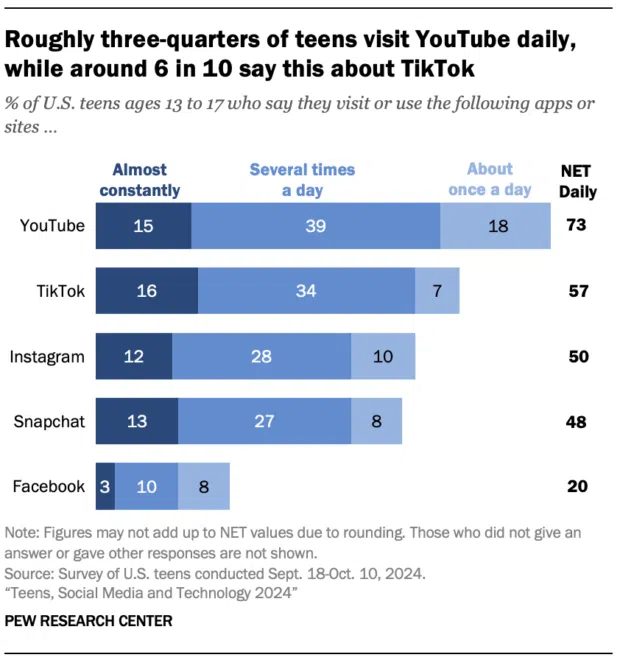
Age-wise, the platform’s core remains firmly in the millennial camp. Users aged 25-44 constitute over 51% of the total audience, making them the dominant demographic. Young adults, those between 18-24, still represent a substantial 23%. It’s crucial to note the historical context here: there has been a significant decline in teen usage since the 2014-2015 period, indicating a shift in platform preference for younger cohorts. However, dismissing younger audiences entirely would be a misstep, as their engagement within specific features like Marketplace and Groups remains robust.

| Age Group | Global Audience Share |
|---|---|
| Millennials (25-44) | 51% |
| Young Adults (18-24) | 23% |
Why Users Engage
Beyond who is on Facebook, understanding why they’re there is critical. The primary motivations are clear and deeply rooted in human connection and interest.
- Connecting with Friends and Family: A staggering 93% of users cite this as a primary reason for their presence. This underscores Facebook’s foundational role as a social glue.
- Seeking Entertainment: 76% of users turn to the platform for entertainment, a figure that highlights the importance of engaging video content, particularly short-form formats like Reels.
- Engaging with Interest-Based Communities: 74% actively participate in groups centered around shared hobbies, passions, or professional interests. This demonstrates the power of niche communities and the potential for brands to foster genuine connection.
- News Consumption: While not the top driver, a significant 33% of U.S. adults still rely on Facebook for news, indicating its role as an information source, albeit one that requires careful content strategy.
These motivations paint a picture of an audience seeking connection, diversion, and community. For marketers, this isn’t just data; it’s a blueprint for content creation and engagement strategies that resonate deeply with the platform’s vast and varied user base.

Strategic Facebook Marketing: Features and Trends
Video content reigns supreme
The platform’s evolution consistently points to one undeniable truth: video content is king. A staggering 60% of all time spent on the platform now funnels directly into video consumption. This isn’t just passive viewing; it’s an active engagement with dynamic narratives that captivate and convert. At the forefront of this surge are Facebook Reels, proving to be a primary growth engine. These short-form, immersive videos are delivering engagement rates that can climb as high as 2.18% for larger accounts. This isn’t merely a statistic; it’s a clarion call for marketers to prioritize concise, compelling visual storytelling. Think beyond traditional long-form; Reels demand authenticity, quick cuts, and often, a powerful audio component to truly resonate. Brands that master the art of the Reel — whether through behind-the-scenes glimpses, quick tutorials, or trend-jacking content — are seeing disproportionate returns on their creative investment. The ephemeral nature of these clips, combined with their algorithmic push, makes them an indispensable tool for cutting through the noise and capturing fleeting attention spans.
Cultivating vibrant communities
While video captures attention, the bedrock of lasting connection on the platform remains its communities. Facebook Groups are not just features; they are thriving ecosystems where shared interests forge powerful bonds. With nearly 1.8 billion people engaging with Groups monthly, and a remarkable 25 million active public groups, the sheer scale of this community infrastructure is immense. For brands, this translates into an unparalleled opportunity to move beyond transactional interactions and cultivate genuine relationships. These spaces are ideal for resource sharing, expert Q&A sessions, and fostering a sense of belonging that traditional page posts simply cannot replicate. Effective Group strategies hinge on consistent, valuable contributions and thoughtful moderation, transforming members into advocates. Imagine a dedicated group for product users, offering exclusive tips and direct access to support, or a community built around a niche hobby, where your brand provides the essential tools and knowledge. This isn’t about broadcasting; it’s about building a loyal tribe.
Monetizing with commerce and ads
Beyond organic reach and community building, the platform’s robust advertising capabilities and burgeoning social commerce avenues present significant monetization opportunities. Worldwide ad revenues are projected to hit an impressive $116.53 billion in 2025, underscoring the platform’s enduring power as an advertising juggernaut. Marketers seeking to maximize their ad spend should pay close attention to vertical video ads that incorporate speech or voiceover; these formats consistently demonstrate a 3% higher conversion rate. This isn’t a minor uptick; it’s a clear indicator of how specific creative choices directly impact bottom-line results. The combination of visual appeal and direct communication in these vertical formats creates a highly persuasive ad experience.
Moreover, the rise of social commerce is undeniable, with Facebook Marketplace emerging as a pivotal player. It’s not just for second-hand goods; it’s a vibrant retail channel where discovery meets direct purchase. A significant 1 in 4 young adult daily active users across the U.S. and Canada actively utilize Marketplace, transforming it into a crucial touchpoint for direct consumer engagement and sales. Integrating Marketplace strategies, from optimized product listings with high-quality imagery to localized promotions, is no longer optional for brands aiming to capture this dynamic segment. The platform offers a complete ecosystem, from initial discovery through engaging content to community interaction and, ultimately, conversion.

Strategic Mastery: Actionable Insights for Facebook
To truly harness Facebook’s immense potential in 2026, marketers must move beyond surface-level tactics and embrace a more nuanced, data-driven approach. This means challenging long-held assumptions, cultivating genuine connections, and rigorously measuring every effort.
Re-evaluate Audience Assumptions
The notion that Facebook is solely for older demographics is a relic of the past. While established users remain a core segment, a significant, active younger audience thrives on the platform, particularly within specific ecosystems. These users, often dismissed by outdated analyses, are not merely scrolling the main Feed. Instead, they gravitate towards highly interactive, interest-driven spaces.

Consider the vibrant activity within Facebook Groups, where niche communities coalesce around shared passions, hobbies, or even local commerce. This is where authentic conversations flourish, and brands can embed themselves as valuable contributors, not just advertisers. Similarly, Marketplace has become a powerhouse for discovery and transaction, especially among younger adults. In fact, a substantial portion of young adult daily active users in North America leverage Marketplace for everything from finding unique items to supporting local businesses.
- Actionable Strategy: Diversify your content beyond standard Feed posts. Develop tailored strategies for Groups, focusing on facilitating discussions, hosting Q&As, or sharing exclusive content. For Marketplace, explore direct selling, product showcases, or even localized ad campaigns targeting specific demographics within geographic proximity. Short-form video, like Reels, also remains a critical format for capturing attention across all age groups, offering dynamic storytelling opportunities that transcend static imagery.
Cultivate Relationship-Driven Engagement
Facebook, at its core, is a network built on connections. Treating it as a mere broadcast channel, a digital billboard for your latest promotion, is a missed opportunity. The real value lies in fostering deep, meaningful relationships with your audience, playing the long game for sustained return on investment.

Think of your brand’s presence not as a megaphone, but as a community hub. This involves a fundamental shift from one-way communication to genuine interaction. Encourage user-generated content, respond thoughtfully to comments and messages, and initiate conversations that resonate with your audience’s interests.
- Actionable Strategy: Invest in community management. Create dedicated brand Groups where members feel a sense of belonging and exclusivity. Host live sessions, polls, and discussions that invite participation. Focus on providing value—whether it’s educational content, entertainment, or exclusive access—before asking for a sale. This approach builds brand loyalty, transforms customers into advocates, and ultimately drives a more resilient, relationship-driven ROI that outperforms fleeting transactional gains.
Benchmark and Refine Tactics
Effective Facebook marketing is an iterative process, not a set-it-and-forget-it campaign. To truly optimize performance, you must rigorously benchmark your efforts against relevant statistics and industry standards, then use those insights to inform strategic adjustments.

Leverage the robust analytics available through Meta Business Suite. Dive deep into metrics like engagement rate, reach, click-through rates, and conversion paths. But don’t just look at raw numbers; contextualize them. How does your engagement rate compare to industry averages for similar page sizes or content types? Are your ad campaigns achieving competitive cost-per-result figures?
- Actionable Strategy: Establish clear KPIs for every campaign and regularly review performance against them. If your Reels are underperforming, analyze trending audio, video styles, or competitor content for inspiration. If ad conversions are low, A/B test different ad creatives, headlines, or calls to action. Use the data to identify specific areas for improvement, whether it’s optimizing posting times, refining audience targeting, or experimenting with new content formats.
| Metric Category | Key Indicators | Actionable Insight |
|---|---|---|
| Engagement | Likes, Comments, Shares | High shares suggest valuable, shareable content. |
| Engagement Rate | Compare to industry benchmarks for content type. | |
| Reach & Impressions | Unique Views, Frequency | Low reach might indicate targeting issues or ad fatigue. |
| Conversions | CTR, Lead Gen, Sales | Low CTR suggests ad copy/visuals need refinement. |
| Cost Efficiency | Cost Per Result (CPR) | High CPR indicates inefficient ad spend; optimize bids. |
By continuously analyzing, adapting, and refining your Facebook tactics based on concrete data, you ensure your marketing efforts remain sharp, relevant, and impactful in a dynamic environment.

FAQ
What limits organic post visibility?
Facebook's algorithm prioritizes paid content. Competition for feed space is intense. User engagement signals influence distribution.
How to target specific audiences?
Utilize detailed targeting options. Interests, behaviors, demographics refine audience segments. Custom audiences leverage existing customer data.
What about user data privacy?
Platform policies govern data usage. Advertisers must comply with privacy regulations. Transparency tools inform users about data.
How does Facebook integrate other apps?
Meta Business Suite manages Instagram, Facebook. Cross-platform campaigns reach wider audiences. Shared ad tools streamline efforts.