pryanicom
What happens when the very foundation of your digital marketing intelligence begins to crumble? For years, the Facebook Pixel was the undisputed champion, a tiny snippet of code delivering unparalleled insights into user behavior. Then, a perfect storm gathered. The 2021 iOS 14 update, a seismic shift in privacy, severely curtailed the Pixel’s ability to track users across apps. Simultaneously, the relentless march of ad blockers and increasingly stringent browser-side cookie restrictions—culminating in major browsers limiting third-party cookies by 2022—began to blind marketers. The signal, once crystal clear, became fractured, unreliable.
This wasn’t just a minor inconvenience; it was an existential threat to accurate attribution, precise audience targeting, and ultimately, campaign profitability. Without reliable data, optimizing ad spend became a shot in the dark. Businesses found themselves grappling with incomplete conversion data, inflated cost-per-action metrics, and a frustrating inability to truly understand their customer journeys. The industry desperately needed a robust, resilient solution to restore visibility and maintain the integrity of their marketing efforts.
Enter the Facebook Conversions API. This wasn’t merely an upgrade; it was a paradigm shift. Conceived as the essential server-side complement to the now-constrained Facebook Pixel, the Conversions API emerged as the lifeline for comprehensive marketing performance in 2026. It bypasses browser limitations, sending data directly from your server to Meta, ensuring that critical conversion events, audience insights, and attribution data remain intact and actionable. It’s about building a more durable, privacy-conscious data infrastructure, guaranteeing that your marketing engine doesn’t just run, but thrives.
Conversions API: Server-Side Intelligence
The Facebook Pixel has long been the cornerstone of Meta advertising, a JavaScript snippet embedded on websites, diligently tracking user actions directly from the browser. However, its browser-side nature inherently ties its performance to client-side conditions. Enter the Facebook Conversions API (CAPI), a powerful server-side solution that fundamentally shifts how data is collected and transmitted. The core distinction is simple yet profound: while the Pixel operates within the user’s browser, relying on cookies and client-side scripts, the Conversions API establishes a direct, server-to-server connection between your marketing data and Meta’s systems. This independence from browser settings, ad blockers, and cookie restrictions makes it a far more resilient and reliable data conduit.
This server-side approach directly addresses the growing limitations faced by traditional browser-based tracking. With ad blockers becoming more prevalent, major browsers progressively restricting third-party cookies by 2022, and privacy updates like iOS 14 from 2021 impacting client-side data collection, the efficacy of the Pixel alone has diminished. The Conversions API emerged as a critical solution to maintain accurate data streams, ensuring marketers can still understand user journeys and optimize campaigns effectively. In 2026, leveraging this robust data pipeline is not merely an advantage; it’s a foundational requirement for comprehensive marketing performance.
Comprehensive Data Capture
The Conversions API is not limited to basic website interactions. Its server-side nature allows for the transmission of a far richer and more diverse array of data points, offering a holistic view of the customer journey, both online and offline. This expanded capability provides advertisers with unparalleled insights into user behavior and conversion paths.
| Data Type | Description | Example |
|---|---|---|
| Web Conversions | Actions taken on a website, indicating intent or value. | Purchase, Lead, CompleteRegistration |
| Post-Conversion | Events occurring after an initial conversion, often offline or delayed. | Subscription Renewal, Offline Purchase |
| Page Visits | User interactions with specific pages or content. | ViewContent, Product Page View |
| CRM Data | Information from customer relationship management systems. | Customer Lifetime Value, Lead Status Change |
| Qualified Leads | Leads that meet specific criteria, indicating higher sales potential. | MQL (Marketing Qualified Lead), SQL (Sales Qualified Lead) |
This capacity to ingest data directly from your backend systems, including CRM and other internal databases, means you can feed Meta’s algorithms with high-quality, first-party data that might never touch a browser. Imagine tracking a lead from initial website visit, through a sales call logged in your CRM, all the way to a closed-won deal—all contributing to a unified understanding of customer value.
Seamless Synergy and Deduplication
It’s crucial to understand that the Conversions API doesn’t replace the Facebook Pixel; it enhances it. They are designed to work in tandem, creating a more complete and robust data stream. The Pixel captures events that occur directly in the browser, while the Conversions API captures events from your server. The magic happens through a critical process called deduplication.
When both the Pixel and the Conversions API send the same event (e.g., a “Purchase” event) to Meta, the system intelligently identifies and merges these duplicate entries into a single, accurate record. This is achieved by matching unique event IDs and other identifying parameters like event_name, event_time, and various user_data fields (such as email, phone number, or IP address). By sending these consistent identifiers from both sources, Meta can confidently attribute a single conversion to a single user action, preventing inflated reporting and ensuring the integrity of your campaign data. This collaborative approach ensures maximum data coverage and accuracy, providing a comprehensive picture of user interactions that is resilient to browser limitations and privacy changes.
Unlocking Performance: Implementing the Conversions API
The Facebook Conversions API (CAPI) isn’t just a technical fix; it’s a strategic imperative for any marketer serious about data integrity and campaign efficacy in 2026. Getting it right involves understanding the implementation pathways and appreciating the profound impact it has on your advertising ecosystem.
Two Paths to Implementation
Bringing CAPI online offers two primary routes, each suited to different technical capabilities and business needs. The first, streamlined partner integration, is often the quickest entry point. Platforms like Shopify, WooCommerce, or even integration tools such as Zapier, have pre-built connectors that simplify the process. These integrations typically handle the server-side event sending and deduplication logic with minimal manual configuration. For businesses leveraging these popular e-commerce or automation platforms, this method offers a robust, efficient way to establish server-side tracking without deep developer involvement. It’s about leveraging existing infrastructure to accelerate data flow.
The second approach, detailed manual implementation via Events Manager, provides unparalleled control and customization. This method involves directly sending event data from your server to Meta’s endpoints. It requires developer resources to write server-side code that captures user actions, formats them correctly, and transmits them. While more resource-intensive upfront, manual implementation allows for tracking highly specific custom events, integrating CRM data directly, and ensuring data quality aligns precisely with your business logic. The Events Manager interface then becomes your command center for verifying event reception, debugging, and monitoring performance.
Here’s a quick comparison:
| Feature | Partner Integration (e.g., Shopify) | Manual Implementation (Events Manager) |
|---|---|---|
| Ease of Setup | High (pre-built connectors) | Moderate to Low (requires dev work) |
| Customization | Limited to platform capabilities | High (full control over data sent) |
| Speed to Market | Fast | Slower (development cycle) |
| Technical Skill | Low to Moderate | High (server-side coding) |
| Data Control | Good, but platform-dependent | Excellent, direct server-to-Meta |
Tangible Benefits in Action
The real magic of CAPI unfolds in its ability to transform campaign performance. With server-side data augmenting or even replacing browser-side signals, marketers gain a clarity previously unattainable.
Improved attribution stands out as a cornerstone benefit. When ad blockers and browser restrictions obscure pixel data, CAPI steps in, providing a more complete picture of user interactions. This means you can accurately attribute conversions that might otherwise be missed, leading to a truer understanding of your campaign ROI. Imagine a customer who clicks an ad, then returns days later via a direct link to complete a purchase; CAPI, especially when integrated with CRM data, can connect those dots, ensuring proper credit is given.
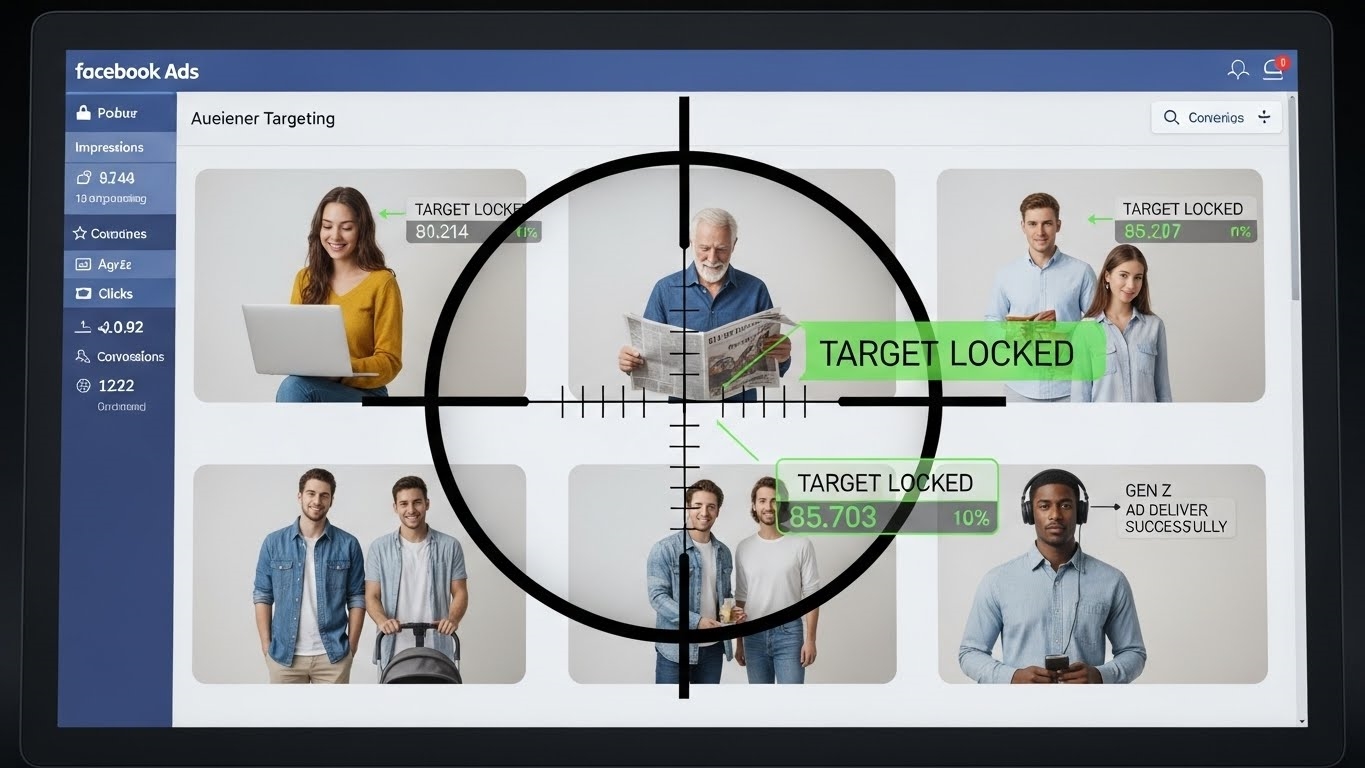
This enhanced data stream directly translates to superior ad targeting. With a richer, more reliable dataset, the algorithms powering Meta’s ad platform have more precise signals to work with. This means:
- Custom Audiences become significantly more accurate and comprehensive, allowing you to re-engage users based on their actual, verified actions, not just what the browser might have reported.
- Retargeting Audiences capture a broader segment of engaged users, reducing the chance of missing potential converters due to browser-side data loss.
- Lookalike Audiences are built from a higher-quality seed, leading to more effective expansion and discovery of new, high-value prospects.
The cumulative effect of better attribution and targeting is a significant reduction in cost per action (CPA). When your ads are shown to the right people, at the right time, with a more accurate understanding of their journey, conversion rates naturally improve. This efficiency gain means every dollar spent on advertising works harder, driving down the cost of acquiring a lead or sale. Businesses routinely report double-digit percentage improvements in CPA after fully leveraging CAPI, a testament to its power in optimizing ad spend.
Strategic Synergy for 2026
The ultimate strategic importance of CAPI isn’t about replacing the Facebook Pixel; it’s about creating a resilient, comprehensive data capture mechanism by integrating the two. The Pixel handles browser-side events, while CAPI ensures server-side events fill in the gaps and provide a robust backup. The critical process of deduplication ensures that events reported by both sources are counted only once, preventing inflated metrics and maintaining data integrity.
By combining the strengths of both the Pixel and CAPI, marketers achieve superior data insights. This dual-layer tracking provides a holistic view of customer interactions, from initial ad click to final conversion, regardless of browser limitations or user privacy settings. In 2026, this integrated approach is not merely an advantage; it’s foundational for optimizing marketing outcomes, ensuring your campaigns are built on the most accurate, actionable data available.
FAQ
How does this API ensure user privacy?
It processes data server-side, allowing for greater control over what information is shared. It supports privacy-enhancing technologies.
What technical expertise is required?
Server-side development skills, API integration knowledge, or a capable developer team are essential.
How is data accuracy validated?
Utilize the Events Manager diagnostic tools. Implement thorough testing protocols for event delivery.
Is this approach applicable elsewhere?
Many platforms now offer similar server-side tracking. This reflects an industry shift.