pryanicom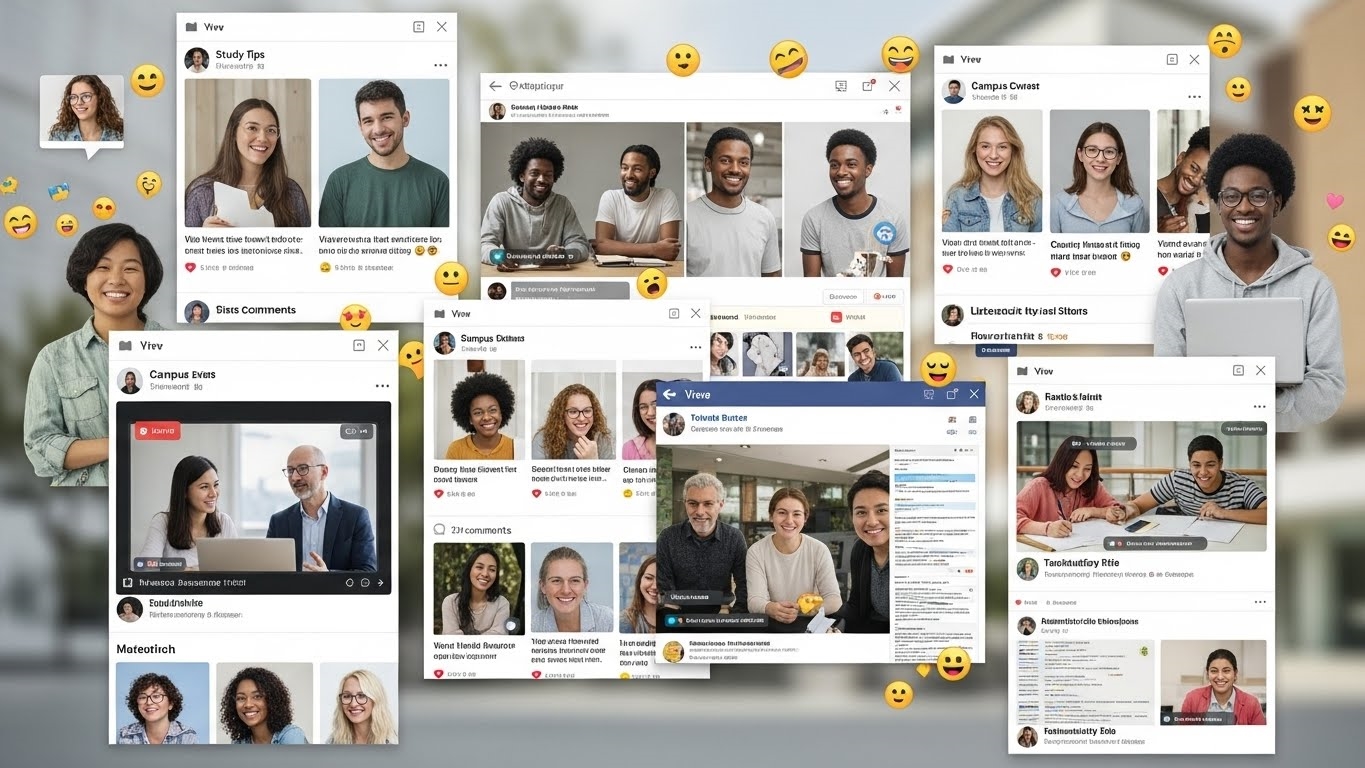
What if the true heartbeat of a university wasn’t found solely in its lecture halls, but in the collective pulse of its social feeds? For post-secondary institutions, social media has transcended its early role as a simple marketing channel, solidifying its position as a foundational operational layer. It’s the indispensable connective tissue influencing everything from initial student outreach and ongoing relations to critical incident response and long-term financial health.
These platforms articulate institutional values with unparalleled reach, broadcasting academic triumphs and community impact to foster deep cultural alignment among students, alumni, and prospective faculty. Beyond mere announcements, social networks transform graduates into lifelong advocates, cultivating vibrant relationships that directly fuel fundraising initiatives and perpetuate a legacy of support. This isn’t just about sending messages; it’s about building a living, breathing community around a shared purpose.

The real magic often unfolds through user-generated content. Authentic student voices, amplified through strategic hashtags and contests, offer an unparalleled, unfiltered glimpse into campus life that no brochure can replicate. Moreover, forward-thinking curricula now integrate social media as a dynamic research and communication tool within coursework, cultivating critical thinking, media literacy, and collaborative discourse, preparing students for a world where digital fluency is paramount.
Unlocking Engagement: Social Media’s Strategic Role in Higher Ed
Higher education institutions today wield social media not merely as a broadcast channel, but as a dynamic ecosystem for fostering connection and propelling growth. It’s a strategic imperative, transforming how universities and colleges interact with their diverse audiences, from future students to current faculty and the broader community. The foundational role and advantages of social media in higher education extend across student relations, recruitment, fundraising, and even crisis management, making it a critical, multifaceted tool for institutions to connect with diverse stakeholders, promote their mission, and manage their reputation effectively.

Attracting Future Talent
Recruitment in 2026 demands authenticity. Prospective students and staff are looking beyond glossy brochures; they crave genuine insight into campus life, academic rigor, and community spirit. Social platforms offer an unparalleled stage for this. Consider virtual tours that leverage interactive 360-degree video or even nascent VR experiences, allowing future enrollees to explore dorms, lecture halls, and green spaces from anywhere. Equally powerful are student takeovers on platforms like Instagram or TikTok, where current students share unscripted “day in the life” content. This approach showcases academic benefits and community opportunities through the eyes of those living it, building trust and a powerful sense of belonging before they even apply.
Listening and Responding
Effective engagement isn’t a monologue; it’s a conversation. Active social listening is paramount for institutions to truly understand their community’s pulse. By monitoring conversations, trends, and feedback across platforms, universities gain invaluable insights into campus sentiment, emerging issues, and areas for improvement. This isn’t just about spotting complaints; it’s about identifying positive narratives to amplify, understanding student needs, and proactively addressing concerns before they escalate. Robust social listening tools allow institutions to track mentions, analyze sentiment, and identify key influencers, transforming raw data into actionable intelligence for campus administrators and student support services.

Fostering Community, Everywhere
The modern student body is geographically diverse, with many engaging in hybrid or fully remote learning models. Social media bridges these distances, creating cohesive communities regardless of physical location. Establishing dedicated social groups—think private Discord servers for academic departments, or Facebook groups for specific clubs—fosters a sense of belonging and facilitates peer-to-peer interaction. Initiatives like virtual study groups, online challenges, or Q&A sessions with faculty can significantly boost participation and ensure that every student, whether on-campus or halfway across the globe, feels connected and supported.
Livestreaming Campus Moments
Nothing conveys authenticity quite like live video. Institutions are leveraging livestreaming to broadcast authentic campus experiences, from the mundane to the monumental. Imagine a live stream of a bustling student union during lunch, a Q&A with a visiting scholar, or the full pomp and circumstance of a commencement speech. Platforms like YouTube Live, Instagram Live, and even TikTok Live offer immediate, unscripted glimpses into daily activities and significant events. This not only extends the reach of campus happenings to alumni, parents, and prospective students but also builds a transparent, relatable image of the institution.

Social as a Digital Hub
Beyond broadcasting, social media serves as an accessible digital gathering space—a modern community message board. Dedicated channels or groups can host discussions, solicit feedback, and facilitate connections for various campus groups. Academic departments can host Q&A sessions with prospective majors, student government can poll opinions on campus policies, and alumni associations can organize virtual networking events. This provides a centralized, accessible hub for dialogue, fostering a culture of open communication and collaborative problem-solving.
Empowering Authentic Voices
The most compelling content often comes from within. Institutions are increasingly building and empowering communities by developing specific hashtags and programs that enable students and faculty to create and manage their own social accounts. Think of student ambassador programs where individuals are trained and given guidelines to share their personal experiences. This strategy amplifies reach through genuine, user-generated content and provides authentic representation of the institution’s diverse community. It’s about decentralizing content creation while maintaining brand consistency, allowing the vibrant voices of the campus to tell their own stories.
| Engagement Goal | Traditional Method | Social Media Application | Key Benefit |
|---|---|---|---|
| Recruitment | Campus tours, brochures | Virtual tours, student takeovers | Authenticity, global reach, immersive experience |
| Community Building | Bulletin boards, clubs | Dedicated groups, live Q&A | Inclusivity, real-time interaction, accessibility |
| Feedback/Insights | Surveys, town halls | Social listening, polls | Proactive issue identification, sentiment analysis |
| Event Promotion | Flyers, local ads | Livestreaming, event pages | Extended reach, real-time engagement, FOMO |
Mastering Social Media Operations in Higher Education
Navigating the intricate world of social platforms requires more than just posting; it demands a strategic, operational backbone. For higher education institutions, optimizing social media isn’t merely about visibility—it’s about building resilient communication channels, fostering community, and safeguarding reputation. In 2026, the institutions that thrive are those with meticulously planned and executed social media operations.
Crafting Comprehensive Guidelines
A unified voice is paramount. Establishing comprehensive social media guidelines and policies isn’t optional; it’s foundational. This means clear documentation covering everything from brand style and tone to robust crisis communication protocols and compliance mandates. Think of it as your institution’s digital constitution. It ensures every team member, from admissions to alumni relations, understands their role, the acceptable boundaries, and the precise steps to take when a situation escalates. Training is the linchpin here, transforming static documents into dynamic, applied knowledge.
Real-Time Updates and Crisis Response
When moments matter, social media becomes an indispensable lifeline. Institutions must plan for and utilize these channels to disseminate timely information during emergencies, manage the rapid spread of misinformation, and respond thoughtfully to broader social movements. This isn’t just about pushing alerts; it’s about active listening and empathetic engagement. A well-rehearsed crisis communication plan, with pre-approved messaging and designated responders, can turn a potential public relations disaster into a demonstration of institutional care and competence.
Streamlining Operations with Tools
The days of disparate departmental accounts operating in silos are behind us. Streamlining social media operations means centralizing the management of multiple channels and teams. This is where dedicated social media management platforms become indispensable. Tools like Sprout Social, Hootsuite, or Sprinklr aren’t just scheduling aids; they are command centers for content coordination, task assignment, and performance tracking. They eliminate redundancy, enhance collaboration, and ensure a consistent message across all touchpoints.
Efficient Message Management
Every message from a prospective student, current enrollee, or valued alumnus is an opportunity. Efficient message management and customer service are critical. Employing unified inboxes and intelligent automation ensures that no inquiry goes unanswered. Chatbots can handle frequently asked questions, freeing human teams to address complex, personalized queries. This responsiveness builds trust and significantly enhances the candidate, student, and alumni experience.
Developing a Cohesive Strategy
An overarching institutional social media strategy is the blueprint for success. This isn’t a collection of departmental plans; it’s a singular vision with departmental alignment. It defines clear objectives, allocates resources judiciously, and establishes measurable impact metrics. Without this cohesive strategy, efforts risk becoming fragmented, diluting the institution’s message and wasting valuable resources.
Poring Over Analytics for Insights
Data isn’t just numbers; it’s the story of your audience. Regularly poring over analytics for performance insights—engagement rates, reach, audience demographics, sentiment—provides a quantitative understanding of communication success. This isn’t about vanity metrics; it’s about identifying what resonates, what falls flat, and where future improvements can be made. Are your recruitment posts driving website visits? Is your alumni content sparking donations? Analytics provide the answers.
Adopting a Platform-Specific Approach
One size does not fit all. Adopting a platform-specific approach means tailoring content and platform choices to reach diverse audiences. What works on LinkedIn for faculty recruitment won’t necessarily resonate with prospective students on TikTok.
| Platform | Primary Audience | Content Focus | Key Objective |
|---|---|---|---|
| TikTok | Prospective Students | Campus life, student testimonials, trends | Awareness, engagement, recruitment |
| Faculty, Alumni, Partners | Research, institutional news, career ops | Professional networking, fundraising | |
| Current/Prospective Students | Visual storytelling, events, community | Engagement, brand building | |
| X (Twitter) | Media, Public, Crisis Comms | Real-time updates, news, thought leadership | Information dissemination, reputation |
Understanding demographic trends and platform strengths allows institutions to connect authentically with students, parents, partners, and faculty where they already spend their time.
Investing in a Dedicated Team
Finally, none of this operates on autopilot. Investing in building a dedicated social media team is non-negotiable. This means prioritizing team development, fostering strategic alliances across departments, and leveraging management platforms to maximize efficiency and expertise. A well-resourced team, equipped with the right tools and training, is the engine that drives an institution’s social media success, transforming digital presence from a task into a strategic asset.
FAQ
How do institutions manage data privacy?
Institutions adhere to regulations like FERPA or GDPR, protecting student data. This involves strict consent protocols.
What content formats resonate most?
Short-form video, interactive polls, and behind-the-scenes glimpses often achieve high engagement. Authenticity is key.
How is social media content made accessible?
Institutions provide alt text for images, captions for videos, and ensure color contrast. This supports diverse learners.
How does AI assist social media efforts?
AI helps with content scheduling, sentiment analysis, and drafting initial responses. It streamlines routine tasks.