pryanicom
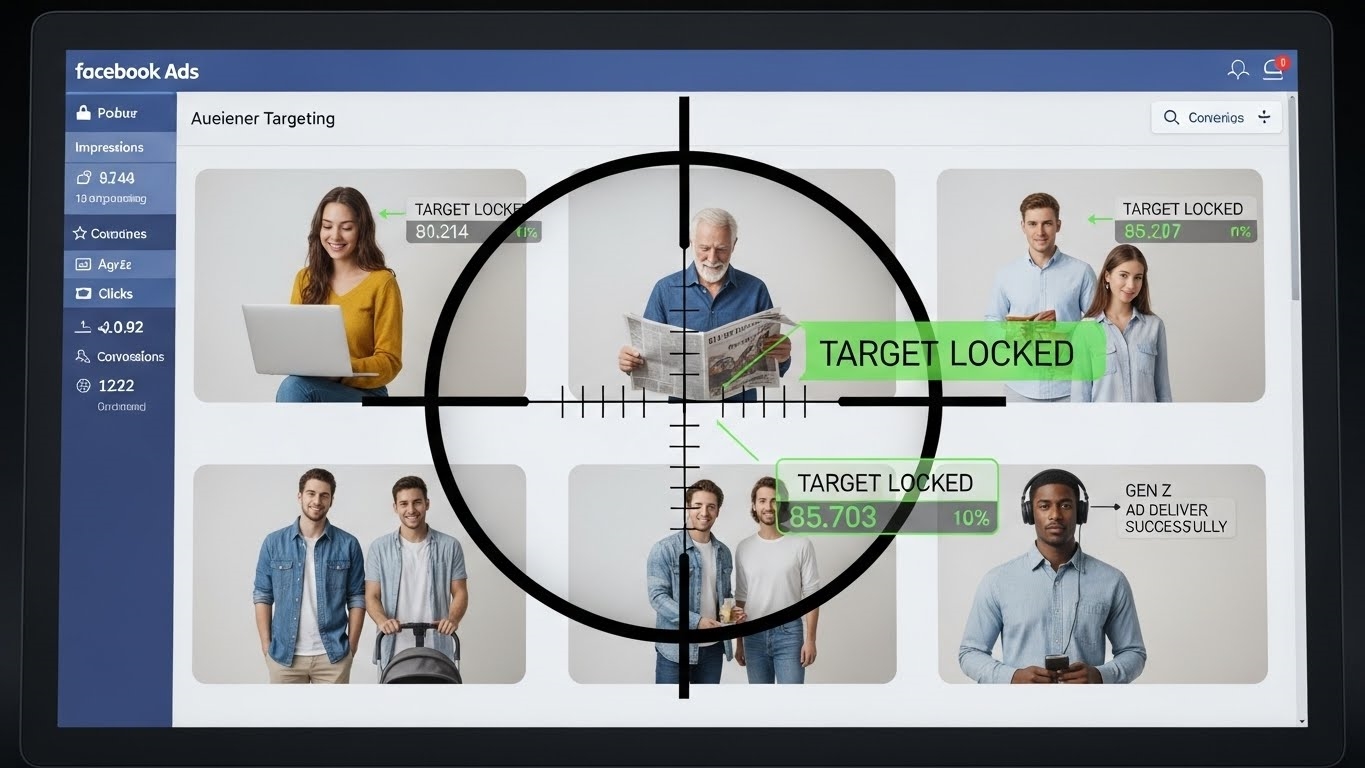
Imagine pouring resources into a vast ocean, hoping a few drops reach thirsty mouths. That’s the “everyone” strategy – a marketing mirage that drains budgets and delivers negligible returns. The most impactful campaigns don’t cast wide nets; they deploy precision-guided lasers. The cost of a scattershot approach in 2026 is simply too high. At its core, a target market isn’t just a demographic slice; it’s the specific constellation of individuals whose needs, desires, and pain points your product or service uniquely addresses.
This isn’t about limiting your potential; it’s about amplifying it. When you attempt to speak to “everyone,” you inevitably speak to no one with true resonance. Your message becomes diluted, your value proposition muddled, and your efforts scattered across an indifferent expanse, yielding only a whisper where a roar is needed. The imperative is clear: precision over proliferation. By meticulously defining your ideal audience, you gain the clarity to craft compelling narratives, select optimal channels, and forge genuine connections. This focused approach transforms marketing from a guessing game into a strategic, high-impact endeavor, driving superior engagement and tangible growth.
Defining Your Market Blueprint
Pinpointing your ideal customer isn’t guesswork; it’s a rigorous, data-driven expedition. In 2026, the sheer volume of available information means marketers have unprecedented power to sculpt hyper-targeted strategies. This isn’t about casting a wide net and hoping for the best; it’s about precision engineering your outreach. The imperative of narrowing focus for target market success means moving beyond the notion of “everyone” as a potential customer. It’s about understanding who truly benefits from your offering and why.
Unearthing Customer Insights
The first excavation begins with your existing customer base. Your Customer Relationship Management (CRM) system is a goldmine, a repository of first-party data that offers unparalleled clarity. Dive deep into these records to extract foundational insights. What are the demographic commonalities among your most valuable customers? Are they predominantly from a specific age bracket, income level, or professional background? Where are they located geographically, and how does that influence their needs or purchasing habits?
Beyond basic demographics, scrutinize spending patterns. Analyze purchase frequency, average order value, and the specific products or services they repeatedly engage with. This reveals not just what they buy, but how they buy. Crucially, examine support tickets, feedback forms, and customer service interactions. These often contain explicit declarations of challenges, pain points, and unmet needs your product or service addresses. This direct feedback is invaluable for understanding the why behind their engagement.
Expanding the Picture with External Data
While internal data provides a robust foundation, a truly comprehensive target market picture demands external validation and expansion. This is where social data and competitor analysis become indispensable. Leverage social listening tools to monitor conversations relevant to your industry, product, or problem space. What are people discussing? What language do they use? What sentiments are expressed about existing solutions, or the lack thereof? User-generated content on platforms like Reddit, X, or industry-specific forums can reveal nuanced perspectives and emerging trends that your CRM might not capture.
Simultaneously, a forensic examination of your competitors is critical. Who are they targeting? How do they position their products? What are their customers saying about them in reviews or on social media? Look for gaps in their offerings, underserved segments, or areas where their customers express dissatisfaction. This competitive intelligence helps you identify opportunities to differentiate and refine your own target audience, perhaps by focusing on a niche they’ve overlooked or a pain point they fail to address effectively.
| Data Source | Primary Insights | Refinement Capability |
|---|---|---|
| CRM/First-Party | Demographics, purchase history, explicit challenges | Foundational segmentation, high-value customer identification |
| Social Listening | Sentiment, emerging trends, unmet needs, language | Qualitative depth, behavioral patterns, niche discovery |
| Competitor Analysis | Market gaps, positioning, competitive advantages | Differentiation, strategic targeting, opportunity spotting |
Articulating Value and Audience
With a rich tapestry of data in hand, the final step is to synthesize these insights into a clear articulation of your product’s value and a precise target market statement. Move beyond listing features; instead, focus on the benefits your product delivers. How does it solve the identified challenges? What transformation does it enable for the customer?
Finally, craft a concise, actionable target market statement. This isn’t a lengthy report; it’s a guiding principle. A well-constructed statement typically follows a structure like: “Our [product/service] helps [specific target audience] achieve [specific benefit] by [unique differentiator].” For instance, instead of “We sell software,” consider: “Our cloud-based analytics platform empowers small business owners to streamline their inventory management, reducing waste by 15% through predictive demand forecasting.” This level of specificity ensures every subsequent marketing effort is laser-focused, resonating directly with those most likely to convert.
Precision in Target Marketing
Understanding your target market isn’t a static exercise; it’s a dynamic process that culminates in effective segmentation. Segmentation means dissecting your broader target audience into distinct, smaller groups based on shared characteristics, needs, or behaviors. This isn’t about exclusion; it’s about relevance. By identifying these unique segments, businesses can craft hyper-specific marketing messages, product offerings, and engagement strategies that resonate deeply, moving beyond generic appeals to truly connect. It’s the difference between shouting into a crowd and having a focused conversation with someone who genuinely wants to hear what you have to say.
Segmentation: The Core Principle
The power of segmentation lies in its ability to amplify your marketing efforts. Instead of a one-size-fits-all approach, which often yields diluted results, segmentation allows for tailored communication. Imagine trying to sell high-performance running shoes to someone interested in casual streetwear. While both might be Nike customers, their motivations, pain points, and desired benefits are fundamentally different. Effective segmentation acknowledges these differences, enabling brands to allocate resources more efficiently and achieve higher conversion rates by speaking directly to the individual segment’s context.
Brand Segmentation in Action
Let’s examine how diverse entities leverage segmentation to their advantage:
-
Nike: This athletic giant doesn’t just sell shoes; it sells aspiration and performance. Nike segments its market extensively, not just by sport (running, basketball, training) but also by lifestyle, performance level, and demographic. Their messaging for an elite marathon runner differs vastly from that for a teenager seeking fashionable sneakers. They understand that a professional athlete values technical innovation and marginal gains, while a casual wearer might prioritize comfort and style. This granular approach allows them to dominate multiple sub-markets simultaneously.
-
Takasa: As a purveyor of organic and sustainable luxury bedding, Takasa targets a specific niche. Their segmentation focuses on consumers who prioritize environmental responsibility, ethical sourcing, and premium quality in their home goods. This isn’t just about comfort; it’s about values. Their messaging emphasizes the purity of materials, the health benefits of organic textiles, and the long-term investment in sustainable living, speaking directly to a conscientious, discerning buyer.
-
City of Port Alberni: Even municipalities engage in sophisticated segmentation. The City of Port Alberni, for instance, isn’t marketing to a monolithic “citizenry.” They segment their audience into residents (who need information on services, events, and community engagement), tourists (who seek attractions, accommodation, and experiences), and potential businesses/investors (who look for economic opportunities, infrastructure, and quality of life). Each segment receives tailored communications, from tourism campaigns highlighting natural beauty to economic development pitches showcasing local advantages.
-
White House Black Market: This women’s fashion retailer targets a demographic seeking sophisticated, coordinated, and timeless apparel. Their segmentation centers on professional women, those attending special occasions, or individuals who appreciate a polished aesthetic. Their collections are designed to offer complete looks, and their marketing emphasizes versatility, quality fabrics, and a refined style that empowers their customer in various settings.
Here’s a snapshot of these varied approaches:
| Entity | Primary Segmentation Focus | Illustrative Messaging Angle |
|---|---|---|
| Nike | Athletes, lifestyle, performance, specific sports | “Unleash your potential,” “Style meets comfort” |
| Takasa | Eco-conscious luxury, health-focused consumers | “Sleep sustainably,” “Pure comfort, clear conscience” |
| City of Port Alberni | Residents, tourists, businesses, investors | “Live, work, play,” “Discover our natural beauty” |
| White House Black Market | Professional women, occasion wear, sophisticated style | “Effortless elegance,” “Your signature style” |
Optimizing for Growth
The journey doesn’t end with identifying segments. Sustained business growth hinges on continuously optimizing your approach. This means regularly reviewing segment performance, adapting messaging based on feedback and market shifts, and exploring new segmentation variables. Leverage analytics to understand which segments are most profitable, which respond best to certain channels, and where there might be untapped potential. By treating segmentation as an iterative, data-driven process, businesses can ensure their marketing remains acutely relevant, fostering deeper customer relationships and driving consistent, measurable success.
FAQ
What common mistakes hinder target market definition?
Overgeneralizing, ignoring market shifts, or relying solely on assumptions are frequent errors. Neglecting customer feedback also hinders accuracy.
How often should target markets be re-evaluated?
Reassess annually or when significant market shifts occur. Product changes, new competitors, or economic shifts necessitate review.
What other tools aid target market definition?
Surveys, focus groups, ethnographic studies, and AI-driven predictive analytics offer deeper insights. These complement existing data.
Target market versus buyer persona: what is the difference?
A target market describes a broad group. A buyer persona represents a specific, semi-fictional individual within that group.