pryanicom
What if every marketing dollar you spent landed precisely on the desk of your ideal customer? This isn’t a fantasy; it’s the fundamental promise of social media advertising. While organic content cultivates community and brand voice, its reach has become increasingly constrained. In 2026, the strategic imperative for businesses is clear: paid social media advertising isn’t merely an option, it’s the engine driving visibility and growth, cutting through the noise to connect directly with those who matter most. It transforms passive scrolling into active engagement, ensuring your message finds its mark.
Defining Social Advertising’s Impact
The distinction between organic and paid reach is crucial. Organic reach is the natural distribution of your content to followers and their networks, often limited by platform algorithms prioritizing paid content. Paid reach, conversely, involves strategically investing to amplify your message, placing it directly before highly specific audiences, regardless of whether they follow you. This deliberate investment is the bedrock of a robust audience acquisition strategy, moving beyond hope and into calculated impact.

Top 3 Benefits of Social Media Advertising
Social advertising offers a trifecta of advantages that redefine marketing efficacy:
Precision in audience targeting
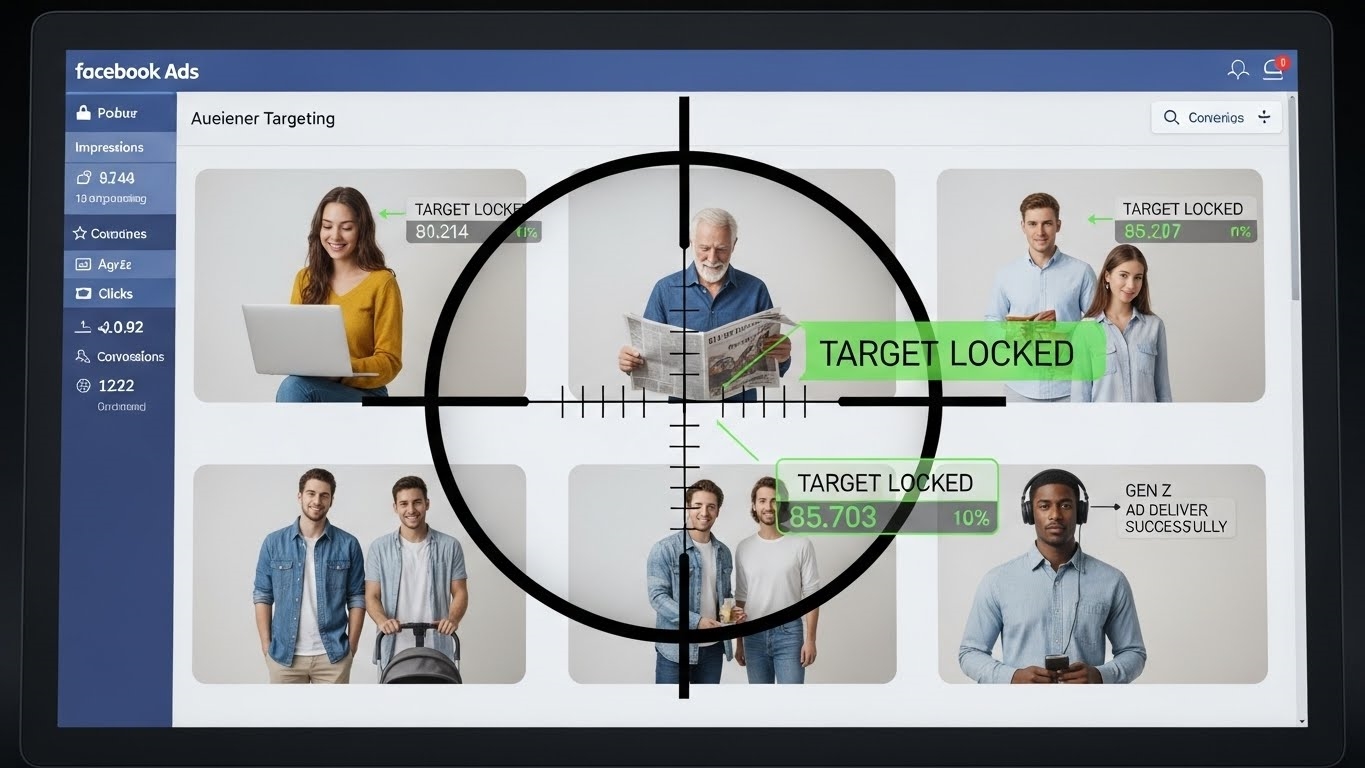
Forget broadcasting to the masses. Social platforms now offer unparalleled granularity, allowing advertisers to pinpoint audiences based on demographics, interests, behaviors, and even past interactions. This hyper-targeting ensures ad spend is maximized, reaching individuals genuinely predisposed to your offering, rather than scattering resources broadly.

Agility through real-time adjustments
Campaigns are not set-and-forget endeavors. The beauty of social advertising lies in its dynamic nature. Marketers can monitor performance metrics in real-time, identifying underperforming ads or audiences and making immediate adjustments. This iterative optimization ensures campaigns remain efficient and effective, adapting to market shifts or audience responses with remarkable speed.
Clarity in ROI tracking and performance measurement
No more guesswork. Social advertising platforms provide robust analytics, offering crystal-clear insights into campaign performance. From impressions and clicks to conversions and customer acquisition costs, every dollar spent can be meticulously tracked and attributed. This transparency empowers businesses to understand their return on investment with precision, informing future strategies and budget allocations.

Mastering Platforms: Objectives, Formats, and Costs
Navigating the dynamic currents of social media advertising demands a precise understanding of each platform’s unique ecosystem. It’s not enough to simply be present; advertisers must strategically align their objectives with the capabilities and audience nuances of each network. In 2026, the strategic role of social media advertising in reaching audiences is more pronounced than ever, requiring a sophisticated approach to platform selection and execution.
Key Platforms and Their Offerings
Each prominent platform presents a distinct advertising proposition, shaped by its user base, content style, and engagement patterns. From the broad reach of Meta’s giants to the professional sphere of LinkedIn, understanding these distinctions is paramount.

- Facebook & Instagram (Meta Ads): These platforms offer unparalleled audience segmentation, leveraging vast demographic and interest data. They excel in driving brand awareness, traffic, and direct conversions, particularly for e-commerce. Formats range from static images and engaging videos to immersive carousel ads and full-screen Stories.
- TikTok: A powerhouse for short-form video, TikTok is ideal for brand awareness and viral campaigns, especially targeting younger demographics. Its in-feed video ads, brand takeovers, and TopView formats are designed for high engagement.
- X (formerly Twitter): Best for real-time engagement, news, and driving website traffic. Promoted Tweets, Trends, and Follower ads are effective for immediate visibility and conversation generation.
- Snapchat: Known for its ephemeral content, Snapchat reaches a highly engaged, younger audience. Filters, Lenses, and Story Ads offer creative, interactive ways to build brand affinity and drive app installs.
- LinkedIn: The professional network, LinkedIn is unmatched for B2B lead generation, thought leadership, and talent acquisition. Sponsored Content, Message Ads, and Dynamic Ads target professionals with precision.
- Pinterest: A visual discovery engine, Pinterest is a goldmine for e-commerce and lifestyle brands. Promoted Pins, Video Pins, and Collection Ads inspire purchases and drive traffic to product pages.
- YouTube: The undisputed leader in video content, YouTube is crucial for video marketing, brand storytelling, and product demonstrations. In-stream, bumper, and outstream ads offer diverse ways to capture attention.
Regardless of the platform, common advertising objectives guide campaign strategy:
| Objective | Description |
|---|---|
| Awareness | Introducing your brand or product to a broad audience, building recognition. |
| Traffic | Driving users to a specific website, landing page, or app. |
| Conversions | Encouraging specific actions like purchases, sign-ups, or downloads. |
| Lead Generation | Collecting contact information from potential customers interested in your offerings. |
Ad formats are the creative vehicles for these objectives. Image ads provide immediate visual impact, video ads tell richer stories, carousel ads showcase multiple products or features, and Stories/Reels offer immersive, full-screen experiences. In-stream video ads on platforms like YouTube integrate seamlessly into user content consumption.

Understanding Ad Costs and Pricing
The cost of social media advertising is a complex interplay of various factors, not a fixed price tag. Key variables influencing your ad spend include:
- Audience Value: Highly sought-after, niche audiences or those with high purchasing intent often command higher bids.
- Seasonality: Peak retail periods, like Q4 (October-December), consistently see increased competition and, consequently, higher costs due to heightened advertiser demand.
- Ad Quality & Relevance: Platforms reward high-performing, relevant ads with lower costs and better placement.
- Competition: More advertisers bidding on similar audiences or keywords drives up prices.
The primary pricing models encountered are Cost Per Mille (CPM) and Cost Per Click (CPC).

- Cost Per Mille (CPM): “Mille” is Latin for thousand. CPM represents the cost an advertiser pays for one thousand impressions (views) of an ad. This model is often favored for awareness campaigns where the goal is maximum visibility.
- Cost Per Click (CPC): CPC is the cost an advertiser pays each time a user clicks on their ad. This model is ideal for campaigns focused on driving traffic or conversions, as you only pay when a user shows explicit interest.
Analyzing historical data reveals important trends. For instance, Q4 2023 saw a notable increase in average CPMs across most major platforms compared to Q4 2022. This surge was largely attributable to the intense competition during the holiday shopping season, coupled with continued growth in advertiser adoption. Understanding these cost dynamics is crucial for budgeting and optimizing campaign performance.
Mastering Social Advertising for Peak Performance
Excelling in social advertising demands a strategic, data-driven approach. It begins with leveraging organic content performance to inform ad creation. Organic posts are a treasure trove of audience insights. Analyzing engagement signals – shares, comments, saves – reveals winning creative elements, messaging frameworks, and even audience segments that resonate most deeply. This is smart, pre-validated content strategy.

Next, implementing A/B testing for continuous campaign refinement transforms good campaigns into great ones. Never settle. Test everything: headlines, calls to action, visual assets, ad formats, and audience parameters. Systematic, single-variable testing provides actionable optimization data.
| A/B Test Element | Examples to Test |
|---|---|
| Headline | Benefit-driven vs. Problem-solution |
| Visual | Product shot vs. Lifestyle image |
| Call to Action | “Shop Now” vs. “Learn More” |
Crucially, establishing clear business objectives for every campaign provides the campaign compass. Without defined goals – traffic, leads, awareness, sales – measurement is meaningless. Your objective dictates KPIs, ad format choices, and budget allocation.

Deeply understanding the target audience enables precise targeting. Move beyond demographics; dive into psychographics, behaviors, pain points, and online habits. Craft detailed audience personas. This granular understanding delivers messages to those most likely to convert, maximizing ad spend.
Finally, systematic measurement and reporting of campaign results closes the loop. Regularly track key performance indicators (KPIs) aligned with your objectives. Utilize platform analytics and third-party tools for comprehensive reports, extracting insights for future optimizations.

Inspiring Social Advertising Examples
Success stories illuminate the path. Good Protein amplified reach by transforming user-generated organic content into engaging video ads, driving subscription sign-ups. PureGym mastered hyper-local targeting for new openings, using geo-fenced campaigns, interest targeting, and A/B testing offers to boost membership.
NARS Cosmetics launches products with visually arresting Instagram/TikTok campaigns, leveraging influencers and aspirational video to drive direct conversions. Cetaphil excels in educational content, using carousel ads to tell sensitive skincare stories and offer tips, informed by high-performing organic advice.

Managing Social Advertising for Integrated Performance
Integrating paid and organic social strategies unlocks true marketing power. Organic content builds community and insights; paid amplifies successful messages, targets new audiences, and drives conversions. A unified content calendar and consistent brand voice ensure seamless user experience.
To orchestrate this, robust tools and methods for managing campaigns and boosted posts across platforms are essential. While native ad managers offer deep platform functionality, many marketers leverage third-party social management platforms. These tools provide centralized dashboards for scheduling, analytics, and cross-platform deployment, streamlining workflows and offering a holistic performance view. The goal: efficiency and a singular source of truth for integrated social efforts.

FAQ
What privacy regulations affect social media ads?
GDPR and CCPA significantly impact data collection, targeting, and consent requirements for ads.
How does AI enhance social media advertising?
AI optimizes targeting, automates creative generation, and predicts campaign performance.
What is dynamic creative optimization?
It automatically tests ad variations, combining different headlines, images, and calls-to-action.
How to combat ad fatigue?
Refresh creative assets, adjust frequency caps, and expand audience segments.