pryanicom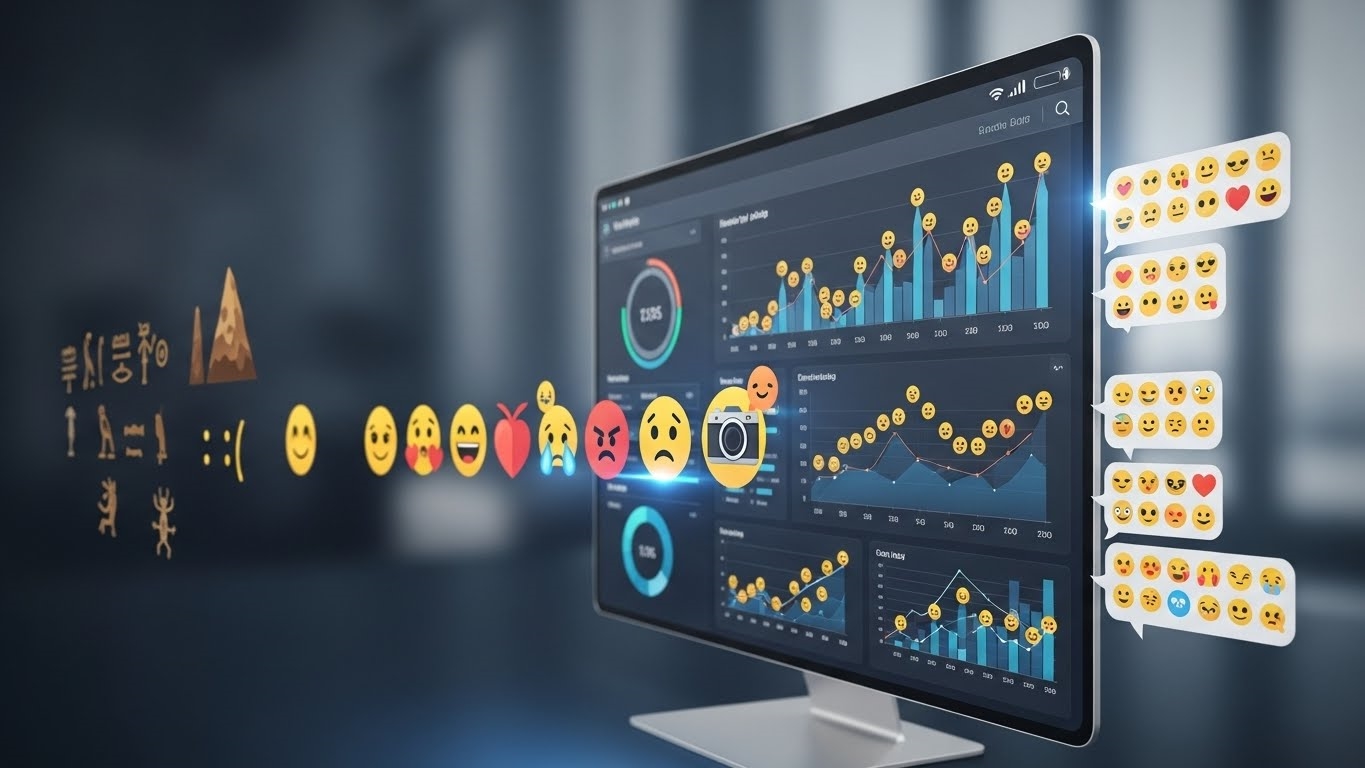
Imagine a world where every digital interaction felt flat, devoid of nuance, stripped of personality. For a time, that was our reality. Our communication channels, once dominated by stark alphanumeric characters, have undergone a profound transformation. What began as rudimentary emoticons in the 1980s, then evolved into the vibrant, expressive pictograms we wield today, has fundamentally reshaped how we connect. This isn’t just about adding color; it’s about adding dimension.
The numbers speak volumes. Incorporating these tiny symbols isn’t merely decorative; it’s a strategic imperative. On platforms like Twitter, messages featuring emojis see a 25% surge in engagement. Facebook posts garner an astonishing 57% more Likes. Perhaps most strikingly for marketers, headlines in advertising campaigns have reported click-through rate improvements as high as 241% when emojis are strategically deployed. These aren’t minor tweaks; they are seismic shifts in audience response.
This pervasive integration underscores a critical truth: understanding the nuanced meanings behind these icons is no longer optional. It is the bedrock of clear, effective communication in 2026. Misinterpretations can derail campaigns, confuse audiences, and dilute brand messaging. To truly harness their power, one must master their lexicon.
Unpacking Emoji Meanings: Beyond the Surface
Emojis are far more than mere graphical embellishments; they are a complex, rapidly evolving language layer, rich with nuance. At first glance, an emoji might appear to convey a straightforward, literal meaning. Yet, the true power, and indeed the peril, lies in their secondary interpretations, which frequently overshadow the primary intent. Consider the humble peach emoji . While ostensibly representing a delicious fruit, its widespread use as a stand-in for derrières has cemented its secondary meaning in popular culture, often making its literal interpretation an afterthought. This duality demands a sophisticated understanding from anyone aiming to communicate effectively.
This layered communication underscores the fundamental importance of understanding emoji meanings to ensure clear and effective communication. Without this grasp, messages can be lost, misinterpreted, or even cause offense, undermining the very clarity emojis are meant to provide. The subtle shifts in how these icons are perceived can be profound, influenced by both generational divides and cultural contexts. For instance, Gen Z has famously repurposed the skull emoji from a symbol of death to one of extreme humor or “I’m dead” from laughing so hard. Similarly, the bee emoji , once a simple insect, took on a powerful, almost tribal significance post-2016, becoming synonymous with Beyoncé’s fanbase, the “Beyhive,” following the release of her album Lemonade. These examples highlight how meanings are not static but are continually shaped by collective usage and cultural moments.
Facial Expressions: The Emotional Spectrum
Facial expression emojis are perhaps the most direct, yet even they harbor layers. A simple smiley face can convey genuine happiness, but a rolling eyes emoji speaks volumes of sarcasm or exasperation. The crying face is almost universally understood as “crying with laughter,” while the truly tearful face can denote genuine sadness or overwhelming emotion. The shocked face or the pleading face each carry specific emotional weight, requiring careful selection to match the intended sentiment.
Hands and Gestures: Silent Signals
Hand and gesture emojis transcend simple actions, often embodying cultural signals or abstract concepts. The folded hands can signify prayer, gratitude, or a respectful “please.” The call me hand is a casual greeting or an invitation to connect, while the raised fist ✊ has become a powerful symbol of solidarity and protest. Even the simple thumbs up , while generally positive, can carry different connotations across cultures, underscoring the need for global awareness.
Objects and Symbols: New Connotations
Everyday objects and symbols frequently take on entirely new connotations, sometimes veering into the explicit. The eggplant and banana , much like the peach , are prime examples of items whose literal meanings are often eclipsed by NSFW interpretations. Beyond the suggestive, other objects become abstract concepts: the red flag instantly signals a warning or a problematic trait, while the bullseye represents precision or a direct hit. These emojis demonstrate how a visual shorthand can convey complex ideas with remarkable efficiency.
Here’s a quick look at how some object emojis have evolved:
| Emoji | Literal Meaning | Common Secondary Meaning |
|---|---|---|
| Peach fruit | Buttocks | |
| Eggplant | Phallus | |
| Red flag | Warning sign, problematic | |
| Dartboard | Target, precision |
People and Activities: Role Play
Emojis depicting people and activities can represent roles, actions, or states of being, often with ironic or hidden uses. The shrug emoji ♂️ perfectly encapsulates indifference or a lack of knowledge. The person doing a cartwheel might literally mean gymnastics, but it can also humorously convey “flipping out” or excitement. Even the seemingly innocuous person raising hand can be a simple question or an enthusiastic agreement, depending on context. Understanding these subtle shifts is paramount for precise communication.
Mastering Emoji Strategy: Engagement and Avoiding Pitfalls
The strategic deployment of emojis transcends mere decoration; it’s a potent instrument for enhancing brand communication and forging deeper connections. When wielded with precision, emojis amplify social media engagement, injecting personality and warmth into even the most concise messages. They humanize a brand, making it relatable and approachable, transforming a static post into a dynamic conversation starter. Consider a travel agency using ✈️ to evoke wanderlust, or a culinary brand punctuating its latest recipe with ️. These small glyphs can instantly convey emotion, establish a distinct brand voice, and differentiate content in a crowded feed. Consistency in emoji selection, much like a brand’s color palette or typography, reinforces identity and builds a recognizable, authentic presence.
Navigating Ambiguity: Emojis to Approach with Caution
However, the power of emojis comes with a significant caveat: their meanings are fluid, often context-dependent, and sometimes laden with unexpected connotations. A misstep can lead to anything from mild confusion to outright embarrassment. Savvy marketers must remain vigilant, identifying and understanding emojis that carry tricky or hidden meanings.
Take the (corn) emoji, for instance. While ostensibly representing a vegetable, it has unfortunately gained traction in certain online communities as a symbol for adult content. Similarly, the repeated (clapping hands) emoji, while seemingly innocuous, can be interpreted as sarcastic or passive-aggressive, particularly when used in response to a statement rather than a performance. The (dashing away) emoji, intended to signify speed, is frequently associated with flatulence or “ghosting” someone. Even the (brain) emoji, meant to denote intelligence, has acquired an unsettling secondary meaning in some circles. Relying on these without a deep understanding of their contemporary usage risks alienating or even offending your audience.
Professional Pitfalls: Emojis to Strictly Avoid
In professional communications, the stakes are even higher. Certain emojis carry such strong sexual connotations or ambiguity that their use is unequivocally inappropriate for any brand or corporate message. The risk of misinterpretation is not just high; it’s virtually guaranteed, leading to reputational damage that can be difficult to undo.
Here’s a concise guide to emojis that should be permanently red-flagged for professional use:
| Emoji | Primary Meaning (Literal) | Secondary Meaning (Common) | Risk Level |
|---|---|---|---|
| Eggplant | Phallic symbol | Extreme | |
| Banana | Phallic symbol | Extreme | |
| Peach | Buttocks | Extreme | |
| Sweat droplets | Bodily fluids, sexual climax | Extreme | |
| Hot face | Sexual attraction, horny | Extreme | |
| Tongue | Licking, sexual connotations | Extreme |
These are not merely “tricky”; they are outright dangerous for brand integrity. Their secondary meanings are so pervasive that any attempt to use them literally will almost certainly be overshadowed by their more suggestive interpretations. The professional world demands clarity and respect; these emojis deliver neither.
Audience and Context: The Ultimate Emoji Filter
Ultimately, the bedrock of effective emoji strategy lies in a profound understanding of your audience and the specific context of your communication. Generational differences play a monumental role; an emoji embraced by Gen Z might be completely misunderstood or even ignored by an older demographic. Cultural nuances are equally critical; an emoji that is positive in one culture could be offensive in another.
Before deploying any emoji, ask yourself:
- Who is my audience? What are their likely interpretations?
- What is the platform? Is this a formal LinkedIn post or a casual Instagram story?
- What is the message’s core tone? Does the emoji enhance or detract from it?
Emojis can lighten a serious message, add warmth to an announcement, or even convey a subtle wink of sarcasm. But when chosen without careful consideration, they can render a message flippant, unprofessional, or worse, offensive. Prioritize clarity and maintain an appropriate tone above all else. Test, observe, and adapt your emoji usage, ensuring every tiny icon serves your communication goals, rather than undermining them.
FAQ
Who governs new emoji creation?
The Unicode Consortium standardizes emoji characters, ensuring universal compatibility across platforms.
Can emojis hold legal weight?
Yes, courts increasingly consider emojis as evidence, impacting contract interpretation or intent.
How do emojis impact accessibility?
Screen readers describe emojis, requiring thoughtful selection for visually impaired users.
Are there tools for emoji analysis?
Yes, sentiment analysis software or specialized platforms interpret emoji emotional context.