pryanicom
Imagine your brand’s entire digital presence, built painstakingly over years, vanishing in a flash. Or worse, being weaponized against your own audience. This isn’t a dystopian fantasy; it’s a very real threat in 2026 if your social channels aren’t fortified.
Defining Social Media Security
Social media security isn’t just about strong passwords; it’s a comprehensive fortress. It encompasses the practices, technologies, and policies designed to shield your accounts, sensitive information, and brand privacy from a relentless barrage of digital threats. Think of it as your digital immune system, constantly defending against hacking attempts, sophisticated phishing campaigns, insidious malware, devastating data breaches, identity theft, and the corrosive spread of misinformation.
The Critical Need for Social Media Security
Why does this matter so profoundly? Because in 2026, these platforms aren’t merely communication channels; they are the pulsating heart of commerce, customer engagement, and brand narrative. They house an astonishing trove of data: intimate personal details, proprietary business intelligence, invaluable customer connections, and even financial particulars. To neglect robust security here is to leave the keys to your entire operation under the digital doormat. It’s not just about preventing a bad day; it’s about safeguarding your entire operational integrity and the trust you’ve meticulously built.
Unmasking Social Media’s Hidden Dangers
The allure of connection and commerce on social platforms is undeniable, yet beneath the surface lies a complex web of vulnerabilities. For businesses and individuals alike, navigating this terrain without a clear understanding of potential threats is akin to sailing uncharted waters without a compass. The sheer volume of interactions and data exchanged creates fertile ground for malicious actors, making a proactive stance on security not just advisable, but absolutely critical.

Understanding the specific vectors through which these threats manifest is the first step toward building resilient defenses. From sophisticated digital cons to the subtle erosion of privacy, the landscape of social media risks is constantly shifting. A robust social media security posture is essential to protect valuable data and maintain trust with audiences and stakeholders. Let’s dissect the common pitfalls that demand our immediate attention.
Deceptive Tactics: Phishing and Scams
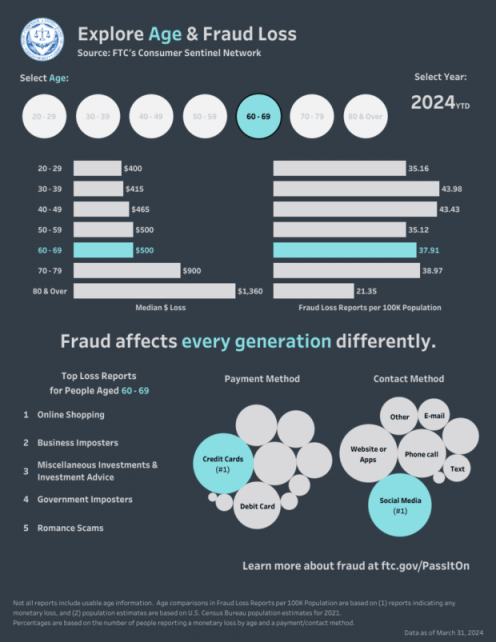
One of the most pervasive threats comes in the form of phishing and elaborate scams. These aren’t just crude emails anymore; they’re sophisticated operations leveraging fake giveaways, enticing online shopping deals, and even seemingly legitimate investment opportunities. Their singular goal: to trick users into divulging sensitive information. The Federal Trade Commission reported a significant surge in losses originating on social media from 2020 to 2023, with these platforms becoming the primary contact method for scammers targeting every age demographic by 2023. This evolution underscores the need for constant vigilance.

Imposter Accounts and Brand Erosion
Imagine your brand, meticulously built and nurtured, suddenly hijacked by an unauthorized profile. Imposter accounts, designed to mimic legitimate entities, are a significant concern. They deceive customers, employees, or even prospective hires, leading to information disclosure, financial fraud, and severe reputational damage. The scale of this problem is staggering: LinkedIn took action on over 63 million fake accounts in the latter half of 2023, while Facebook addressed a colossal 631 million fake accounts between January and March 2024. These numbers aren’t just statistics; they represent active threats to trust and integrity.
AI-Powered Deception
The rise of artificial intelligence introduces a new dimension to social media threats. Adversaries can now aggregate scattered information from multiple public and private sources, feeding it into AI models to generate incredibly convincing fraudulent content and direct messages. This makes distinguishing genuine interactions from sophisticated fakes increasingly difficult. Research indicates that a notable percentage of users across generations struggle with this: 20% of Gen X, 15% of Millennials, and 14% of Gen Z find it challenging to discern real from AI-generated content. This blurring of lines demands a heightened sense of skepticism from every user.

Malware and Account Hijacks
Direct attacks on social media accounts remain a potent threat. Unauthorized access, often facilitated by malware or brute-force methods, can have devastating consequences. The compromise of the X (formerly Twitter) SEC account in January 2024, for instance, sent ripples through financial markets and highlighted the potential for significant brand reputation damage. Beyond public embarrassment, hijacked accounts can be used to launch fraudulent ad campaigns, spread misinformation, or even compromise connected systems.
Risky Third-Party Apps
The convenience of connecting third-party applications to social profiles often comes with a hidden cost. Granting login information to these external apps can inadvertently give them complete access to your accounts, personal messages, and entire network of connections. This access can then be exploited to post spam, spread harmful content, or harvest data without your explicit knowledge or consent.

Always scrutinize the permissions requested by any app before granting access.
Password Theft and Info Exploitation
Seemingly innocuous social media activities can be goldmines for cybercriminals. Those fun quizzes asking about your first pet or childhood street? They often provide clues for password recovery questions. Publicly shared life events – birthdays, anniversaries, new jobs – can be pieced together to build comprehensive profiles, making direct password theft or identity fraud much easier. Every piece of shared information, however small, contributes to a larger digital footprint that can be exploited.
Privacy Settings: A Critical Blind Spot
Despite widespread awareness of privacy risks, a significant number of users still overlook the importance of configuring their privacy settings. With 5.07 billion active social media users as of April 2024, the sheer scale of potential exposure is immense. For both personal and business accounts, understanding and meticulously configuring privacy policies and settings is not merely a recommendation; it’s a fundamental requirement for data security.

Ignoring these controls leaves the door wide open for data exploitation.
Unsecured Mobile Devices
Our smartphones are often the primary gateway to our social lives, yet many remain alarmingly unsecured. A concerning 16% of Americans do not use basic phone locking features, and even more neglect critical software updates – only 42% utilize automatic updates. This negligence leaves social accounts and the sensitive data they contain vulnerable to unauthorized access should the device be lost or stolen. The device itself is the first line of defense.
Fortifying Social Channels: Measures & Tools
In 2026, a brand’s social presence is an invaluable asset, yet it remains a prime target for malicious actors. Building an impenetrable digital perimeter isn’t just about reacting to breaches; it’s about embedding security into the very fabric of your operations. This proactive stance demands both rigorous best practices and the deployment of purpose-built technologies.

Essential Security Best Practices
Implementing robust social media security begins with a foundational commitment to vigilance and structure.
Craft a Detailed Social Policy
A comprehensive social media policy serves as your organization’s digital constitution. It must clearly delineate guidelines for personal social media use on company equipment, specify activities to avoid, and assign clear team responsibilities for account management. Crucially, it should mandate stringent password creation and rotation protocols, set expectations for software updates, outline procedures for threat identification, and establish a rapid incident response plan. This isn’t merely a document; it’s a living guide for every team member.

Set Up an Approval Process
Accidental data breaches or off-brand messaging can be as damaging as a targeted attack. Implementing a stringent approval process for all outgoing content and access requests is non-negotiable. This limits posting privileges to authorized personnel, ensuring every piece of content aligns with brand voice and compliance standards. Tools like Hootsuite are instrumental here, facilitating secure collaboration and content review workflows without the inherent risk of sharing sensitive login credentials.
Utilize Two-Factor Authentication
Two-Factor Authentication (2FA) is no longer an optional add-on; it’s a fundamental layer of defense. For every secure social media account, 2FA provides an essential barrier against unauthorized access. The absence of this critical safeguard can have devastating consequences, as starkly demonstrated by the SEC X account compromise in January 2024, which sent ripples through financial markets. Make 2FA mandatory, without exception.

Establish an Early Warning System
Proactive surveillance is your first line of defense against emerging threats. Deploying monitoring tools across all social channels creates an early warning system, constantly scanning for imposter accounts, suspicious activities, inappropriate brand mentions, and negative conversations that could signal a looming crisis. Catching these anomalies early can prevent reputational damage and mitigate potential security risks before they escalate.
Regularly Review Security Measures
The threat landscape is in constant flux, demanding dynamic security protocols. Quarterly audits of privacy and security settings are imperative. Consider X’s 2FA changes in March 2023 or the introduction of Passkeys in April 2024; these platform-level shifts necessitate immediate review and adaptation of your internal settings. Scrutinize access and publishing privileges, and ensure your team remains acutely informed about the latest online security threats and vulnerabilities.

Top 3 Social Media Security Tools
While best practices form the bedrock, specialized tools amplify your defensive capabilities, offering automation and advanced threat intelligence.
| Tool | Core Functionality | Key Benefit |
|---|---|---|
| Hootsuite | Granular access control, approval workflows, compliance integration (e.g., Proofpoint), social monitoring. | Secure collaboration without password sharing; early threat detection. |
| ZeroFOX | Automated alerts for dangerous content, malicious links, scams, imposter accounts; anti-hacking/phishing. | Proactive, AI-driven protection against external digital threats. |
| BrandFort | AI-powered content moderation, spam/phishing comment detection, PII hiding, multi-language support. | Automated protection against harmful comments and data exposure on posts. |
Hootsuite stands out for its operational security. It enables granular access control and sophisticated approval workflows, effectively eliminating the need for team members to know direct login credentials. Its integration with compliance software, such as Proofpoint, streamlines regulatory adherence, while its robust social monitoring capabilities provide an effective early detection system for potential threats.
ZeroFOX operates as a comprehensive cybersecurity platform, extending protection beyond your owned channels. It delivers automated alerts for dangerous content, malicious links, and pervasive scams. Crucially, ZeroFOX specializes in identifying and neutralizing fraudulent imposter accounts, offering a formidable defense against hacking and phishing attacks targeting your brand’s digital footprint.
BrandFort addresses the often-overlooked challenge of content moderation at scale. This intelligent platform protects social accounts from spam, phishing comments, and other problematic user-generated content. By detecting and automatically hiding comments containing personally identifiable information or other harmful elements, BrandFort leverages AI for multi-language detection, ensuring comprehensive coverage, and integrates directly into platforms like Hootsuite for seamless management.
FAQ
Legal consequences of social media data breach?
Fines under GDPR, CCPA, other regulations. Lawsuits, mandated notifications.
How do deepfakes impact social media security?
Deepfakes create convincing fake media. They spread misinformation, damage reputations, facilitate scams.
What is a social media security audit?
A systematic review of policies, configurations, access controls. It identifies vulnerabilities, ensures compliance.
What is cybersecurity insurance's role?
It covers costs from data breaches, cyberattacks. This includes legal fees, recovery expenses.