pryanicom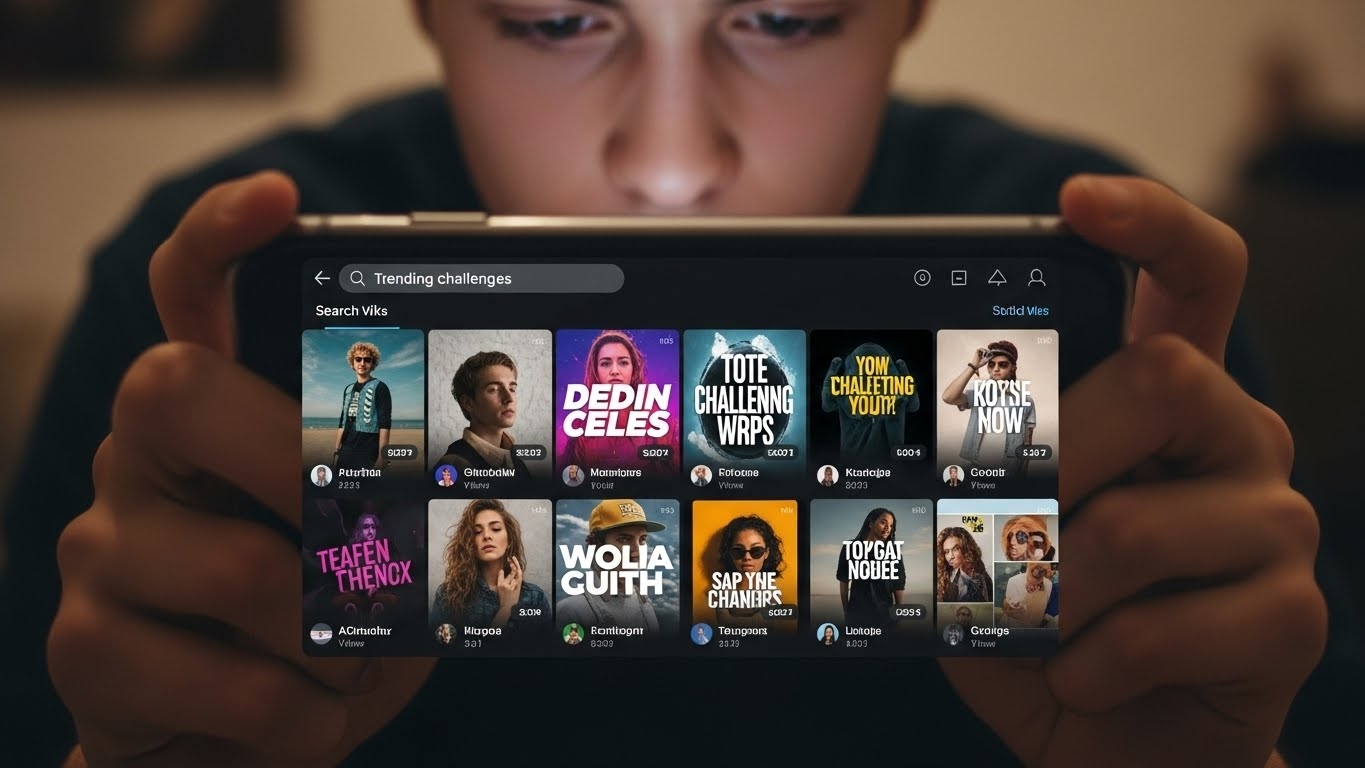
Forget the traditional search bar. A seismic shift in how people find information, products, and services is redefining digital discovery. For a staggering percentage of younger audiences, their primary search engine now lives within social platforms. This isn’t merely about content going viral; it’s about intent-driven discovery on a scale previously unimagined.
This is where Social SEO takes center stage. Unlike social algorithms, which push content into user feeds based on engagement signals and personal preferences, Social SEO is the strategic optimization of your social presence and content to be found when users actively search within these platforms. It’s about ensuring your brand, products, or expertise appear prominently when someone types a query into TikTok, Instagram, or YouTube, rather than just hoping they stumble upon your posts.

The New Search Frontier
Consider this: a 2022 study revealed that nearly 40% of Gen Z now prefer using platforms like TikTok and Instagram for search over traditional engines. They’re not typing “best Italian restaurant NYC” into a browser; they’re scrolling through short-form videos for visual reviews and authentic recommendations. This behavioral pivot isn’t a trend; it’s a fundamental change in how a generation navigates information, demanding visual, concise, and often community-validated answers.
Dual-Axis Discovery
Mastering Social SEO offers a powerful, two-pronged benefit. First, it dramatically boosts your on-platform visibility, making your content discoverable to users actively seeking specific information within social apps. This translates directly to increased views, engagement, and follower growth. Second, a robust, optimized social presence contributes significantly to your traditional search visibility. Well-structured profiles and highly engaged content can rank directly in Google and other search engines, particularly for branded queries or niche topics, creating a symbiotic relationship that amplifies your overall digital footprint.

Profile Power for Social SEO
Your social profile isn’t merely a digital business card; it’s a foundational pillar of your social search optimization strategy. Think of it as your digital storefront, meticulously designed to attract, inform, and convert. Every element, from your chosen username to your profile picture, contributes to how discoverable you are, not just to human eyes but to the sophisticated algorithms that govern visibility across platforms.
This strategic approach to profile optimization is critical because social search optimization offers a potent dual advantage, boosting both on-platform visibility within social networks and enhancing traditional search engine presence. When users search directly within a platform, or when external search engines index social content, a well-optimized profile acts as a beacon, drawing attention and establishing authority.

Crafting Your Digital Identity
The core elements of your profile—username, name, bio, and location—are prime real estate for Social SEO. Your username should be consistent across platforms, easily memorable, and ideally, reflective of your brand or niche. For instance, “@AIHardwareReviews” immediately signals content focus. Your displayed name should be your full brand name or personal name, potentially augmented with a key descriptor if space allows, like “Acme Corp | Sustainable Tech.” The bio is where you articulate your value proposition and integrate relevant keywords. Platforms use this text to categorize and surface your profile in internal searches. A well-crafted bio for a B2B SaaS company might include “Cloud-native solutions for enterprise data security” to capture specific search queries. Finally, location is indispensable for local search relevance, ensuring you appear in “near me” results or location-specific content feeds.
Consistent Linking Strategies
Beyond static profile information, how you link within and from your profile significantly impacts discoverability. The “link in bio” feature, ubiquitous on platforms like Instagram and TikTok, is a critical gateway. Utilizing a dedicated link-in-bio tool allows you to consolidate multiple destinations—your website, latest blog post, product page, or other social profiles—into a single, trackable URL. Furthermore, consistent cross-platform linking, where your LinkedIn profile links to your YouTube channel, and your X profile points to your website, creates a robust web of interconnected digital assets. This network not only aids user navigation but also signals to search algorithms a cohesive and authoritative online presence.

Visuals: Credibility and Clicks
Your profile and cover photos are often the first visual touchpoints. A high-resolution, professional profile picture—be it a recognizable logo or a clear headshot—instills immediate trust and brand recognition. Consistency here is paramount; using the same visual identity across all platforms reinforces your brand. The cover photo (where available) offers a larger canvas for branding, showcasing your current campaign, or visually communicating your core offering. A tech company might feature their latest product, while a personal brand could display a professional headshot with a relevant backdrop. These visuals don’t just look good; they enhance credibility, which directly influences click-through rates from search results and suggested profiles.
Thematic Content Consistency
Algorithms are adept at understanding the theme of your profile based on your cumulative content. If your posts consistently revolve around “sustainable urban planning,” platforms will recognize you as an authority in that domain. This thematic consistency is a powerful, albeit indirect, Social SEO factor. It signals to algorithms that your profile is a reliable source for specific topics, increasing your likelihood of appearing in relevant searches and recommended content feeds. A profile that posts erratically across disparate subjects dilutes its thematic strength, making it harder for algorithms to categorize and recommend.

The Verification Advantage
A verification badge, whether it’s a blue checkmark on X or a similar indicator on other platforms, is more than just a status symbol. It’s a powerful signal of legitimacy and authority. While its direct impact on search ranking can vary by platform, a verified status generally confers several benefits:
| Benefit | Description | Social SEO Impact |
|---|---|---|
| Trust & Credibility | Users perceive verified accounts as authentic and trustworthy. | Higher click-through rates from search results; reduced bounce rate. |
| Authority Signal | Platforms often prioritize verified accounts in search results or suggestions. | Increased visibility in on-platform search and recommended feeds. |
| Brand Protection | Differentiates official accounts from imposters. | Protects brand reputation, ensuring users find the correct, authoritative source. |
| Enhanced Features | Some platforms offer additional features or support to verified accounts. | Can indirectly aid content distribution and engagement, boosting overall reach. |
While not a magic bullet, pursuing verification for eligible accounts is a strategic move that reinforces your profile’s legitimacy and can subtly but significantly enhance its discoverability and perceived authority within the social ecosystem.

Engineering Discoverability: Content for Social Search
Crafting content that truly resonates and gets found on social platforms requires a nuanced approach, distinct from traditional search engine optimization. It’s about understanding the unique discovery behaviors of social users and engineering your output to meet those expectations. This isn’t just about posting; it’s about strategic content architecture.
Foundational Keyword Research
Before a single piece of content is drafted, a deep dive into social-specific keyword research is paramount. Forget the broad, transactional queries often targeting Google. On social platforms, users seek immediate answers, entertainment, community, and inspiration. Your research should uncover the vernacular of your audience, the hashtags they follow, and the questions they pose directly within platform search bars. Leverage native platform autocomplete suggestions, analyze trending topics, and scrutinize competitor content for recurring themes and popular tags. Tools that monitor social conversations can reveal emerging jargon and sentiment, providing a rich vein of long-tail keywords and conversational phrases.

| Keyword Type | Traditional Search Focus | Social Search Focus |
|---|---|---|
| Informational | “How to configure VPN” | “VPN setup guide,” “#VPNhacks” |
| Navigational | “Brand X official site” | “@BrandX latest,” “Brand X review” |
| Commercial | “Best budget laptops 2026” | “Affordable laptop unboxing,” “#TechDeals” |
| Discovery | (Less direct) | “What to watch,” “Creative ideas” |
Developing Content Pillars
With a robust understanding of social keywords, the next step is to establish content pillars. These are broad, overarching themes that align with your brand’s expertise and your audience’s core interests. Think of them as the foundational categories that will house your diverse content. For a software company, pillars might include “Productivity Solutions,” “Industry Insights,” and “Community Spotlights.” Each pillar should be rich enough to generate a continuous stream of content ideas, all while remaining tightly focused on specific keyword clusters. This structured approach ensures thematic consistency, making it easier for algorithms to categorize your content and for users to find relevant information.
Integrating Keywords Naturally
The art of keyword integration on social platforms lies in its seamless, conversational application. Unlike the more formal tone often found in web articles, social captions and posts thrive on authenticity. Keywords should flow organically within your opening hooks, descriptive body text, and calls to action. Avoid keyword stuffing; instead, focus on semantic variations and related terms that enhance context. Hashtags are your direct signal to social algorithms and users, so select a mix of broad, niche, and trending tags relevant to your content and audience. For instance, a post about sustainable fashion might weave in phrases like “eco-friendly style,” “conscious consumer choices,” and hashtags such as #SustainableFashion, #EthicalStyle, and #GreenLiving.

Alt Text and Subtitles: Dual Powerhouses
Accessibility isn’t just a compliance checkbox; it’s a powerful lever for discoverability. Alt text for images and subtitles for videos serve a dual purpose: they make your content accessible to a wider audience, including those with visual or hearing impairments, and they provide invaluable context to social algorithms. When you meticulously describe an image in alt text – for example, “Close-up of a new ergonomic keyboard with customizable RGB lighting on a minimalist desk setup” – you’re not only aiding screen readers but also giving the platform’s AI more data points to understand and surface your visual content in relevant searches. Similarly, accurate subtitles for videos allow algorithms to transcribe spoken words, significantly boosting the video’s searchability for specific keywords and phrases, even when viewers watch with the sound off.
Maximizing Reach with Short-Form Video
Short-form video isn’t just a trend; it’s the algorithmic engine driving unprecedented reach across platforms like TikTok, Instagram Reels, and YouTube Shorts. These formats are engineered for rapid consumption and high engagement, and algorithms actively prioritize them. To maximize visibility, your short-form videos need an immediate hook within the first three seconds, concise messaging, and a clear call to action. Crucially, optimize these videos for search by embedding relevant keywords not just in the title and description, but also as on-screen text overlays and even spoken within the video itself. Platforms are increasingly sophisticated at transcribing audio, making every word a potential search signal. Combine this with trending audio and relevant hashtags, and you unlock a potent formula for discoverability.
Mastering Social Search: Advanced Tactics
Moving beyond foundational profile optimization, the true power of Social SEO unfolds in tailored, platform-specific strategies and a keen eye on future trends. It’s about understanding the unique search behaviors on each network and crafting content that not only resonates but is also inherently discoverable.
Platform-Specific Optimization
Each major social platform operates with its own distinct algorithm and user search patterns. A one-size-fits-all approach simply won’t cut it.
- Facebook: Leverage keyword-rich descriptions for native video uploads and group posts. Optimize event titles and descriptions. Utilize Facebook’s internal search for trending topics relevant to your niche.
- Instagram: Beyond relevant hashtags (aim for a mix of broad and niche), prioritize keywords in your bio, name field, and alt text for images. For Reels, ensure captions and on-screen text are descriptive and include target terms. Product tags are crucial for discoverability in shopping feeds.
- TikTok: This platform thrives on trending sounds and hashtags. Optimize video captions with relevant keywords and phrases. On-screen text and spoken words within the video itself are increasingly indexed, so integrate your terms naturally.
- LinkedIn: For professionals, optimizing your profile headline and “About” section with industry-specific keywords is paramount. Company pages should use keywords in their descriptions and native articles. Hashtags in posts enhance reach within relevant professional communities.
- Pinterest: A visual search engine at its core. Keyword-rich pin descriptions, board titles, and alt text are non-negotiable. Utilize Idea Pins for multi-page content, ensuring each page is optimized. Product pins with detailed metadata are key for commerce.
- YouTube: The second-largest search engine. Optimize video titles, descriptions, and tags with primary and secondary keywords. Chapters, closed captions, and even the content spoken in your videos contribute to discoverability. Strong, keyword-relevant thumbnails boost click-through rates.
- X (formerly Twitter): While real-time, keywords in profile bios and consistent use of relevant hashtags in posts increase visibility in search and trending topics. Threaded content can also be optimized for longer-form discoverability.
Synergizing Content and Channels
Effective Social SEO isn’t an isolated endeavor; it thrives on integration. Traditional SEO tactics like cross-promotion and content repurposing amplify your social efforts.
- Cross-Promotion: Don’t just post and pray. Link your social profiles prominently on your website, in email newsletters, and even in your physical marketing materials. Drive traffic to your social content from your blog posts or YouTube descriptions.
- Content Repurposing: Transform a comprehensive blog post into a series of Instagram carousels, a LinkedIn article, and several short-form TikTok or Reel videos. A long-form YouTube tutorial can be broken into bite-sized clips for X. Maintain keyword consistency across all iterations to reinforce thematic authority. This ensures your valuable content reaches diverse audiences on their preferred platforms, each optimized for that specific channel’s search behavior.
Measuring Success and Uncovering Demand
To truly master Social SEO, you need to know what’s working and what your audience is actively seeking.
Key Performance Indicators for Social SEO
| Metric | What it Tells You | Why it Matters for Social SEO |
|---|---|---|
| Impressions | How many times your content was displayed. | Indicates potential reach and visibility. |
| Reach | Unique accounts that saw your content. | Shows how widely your content is being discovered. |
| Engagement Rate | Likes, comments, shares, saves relative to reach/followers. | Signals content relevance and resonance, often boosting algorithmic visibility. |
| Profile Visits | How many users clicked to view your profile. | Reflects interest sparked by your content’s discoverability. |
| Click-Through Rate | Clicks on links (e.g., to website) relative to impressions. | Measures effectiveness in driving off-platform traffic. |
| Search Appearances | How often your content appeared in platform searches. | Direct measure of your content’s discoverability within the platform. |
| Hashtag Performance | Which hashtags drove the most impressions/engagement. | Informs future hashtag strategy and keyword selection. |
Demand Research on Social Platforms
Beyond traditional keyword tools, social platforms themselves are rich veins for demand research. Use platform search bars to observe autocomplete suggestions – these are real user queries. Monitor trending topics, analyze competitor content that performs well in search, and delve into audience insights provided by each platform. Tools that analyze hashtag performance and content gaps can reveal unmet audience needs.
The Horizon: Emerging Trends
The search landscape is never static. Forward-thinking marketers are already optimizing for what’s next.
- Voice Search Optimization: As voice assistants become ubiquitous, conversational, long-tail keywords are gaining prominence. Think about how users verbally ask for information or products. Your social content should reflect this natural language, making it more discoverable when someone asks their smart device, “What’s the best [product/service]?”
- Leveraging AI for Discovery: AI is no longer a futuristic concept; it’s a powerful ally. Utilize AI tools for sophisticated keyword suggestions, identifying trending topics before they peak, generating optimized captions and descriptions, and even predicting optimal posting times for maximum visibility. AI can analyze vast datasets to uncover subtle patterns in user search behavior that human analysis might miss.
- Keywords in Social Commerce: With platforms increasingly integrating shopping features, optimizing product listings within social channels is critical. Ensure product descriptions, tags, and even live shopping event titles are rich with relevant keywords. This isn’t just about selling; it’s about making your products discoverable when users search directly on Instagram Shop, TikTok Shop, or Pinterest’s visual search. The convergence of content, community, and commerce demands a robust keyword strategy.
FAQ
How does data privacy influence Social SEO?
Compliance with regulations (GDPR, CCPA) is crucial. It impacts data collection, targeting, and content personalization. Transparency builds trust, improving engagement.
What specific tools aid Social SEO?
Tools like Sprout Social, Brandwatch, or Ahrefs monitor mentions, track trends, and analyze competitor strategies. They provide insights for optimization.
What common Social SEO pitfalls exist?
Over-stuffing keywords, ignoring platform guidelines, or inconsistent posting harm visibility. Prioritize authentic engagement over manipulative tactics.
How does user-generated content boost Social SEO?
UGC provides authentic keywords, diverse content, and social proof. It signals relevance to algorithms, increasing organic discoverability.